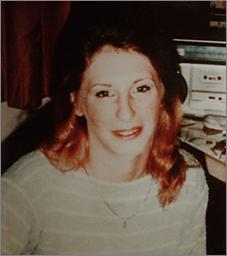
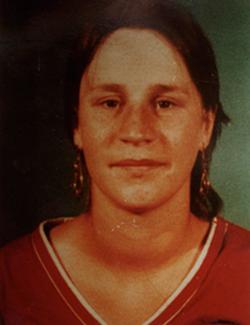
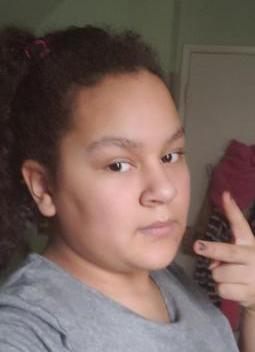
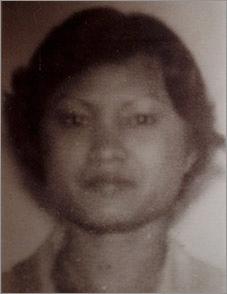
White/Caucasian female, age 19, Robin Pelkey moved through Anchorage's early-1980s streets on the margins, a teenager whose disappearance left no paper trail. In the summer of 1983, amid a city haunted by a predator later dubbed the “Butcher Baker,” she crossed paths with Robert Hansen. Months later, on April 25, 1984, partial skeletal remains were found near Horseshoe Lake by Palmer, north of Anchorage—a site that would give investigators the placeholder name “Horseshoe Harriet.”
Examiners determined she had been both stabbed and shot, a stark encapsulation of the brutality then unfolding in Southcentral Alaska.
For decades the young woman at Horseshoe Lake remained without a name while investigators pursued Hansen's sprawling crimes. In October 1983, Alaska State Troopers arrested Hansen; by February 1984 he had entered a plea deal, admitting to four murders in court and acknowledging a total of 17 killings. As part of that agreement, he led troopers by helicopter to burial sites, mapping out the lonely places where he had left his victims. Sentenced to 461 years without parole, he died in prison in 2014.
The mystery at Horseshoe Lake endured until modern forensic genealogy reopened the case. In 2021, the Alaska Bureau of Investigation and Parabon Nanolabs generated a new DNA profile from the remains, built family trees from public genealogy databases, and located a close relative. Kinship testing at the State of Alaska Scientific Crime Detection Laboratory confirmed the match: “Horseshoe Harriet” was Robin Pelkey, born in 1963 in Colorado and living in Anchorage when she was killed. With that identification, authorities could finally place her among the women Hansen admitted to murdering, and the state arranged for a grave marker bearing her name.