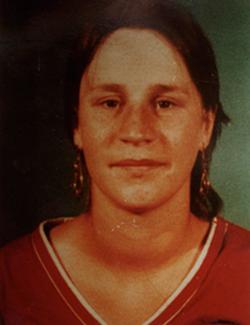
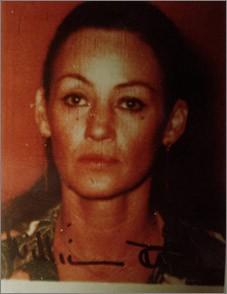
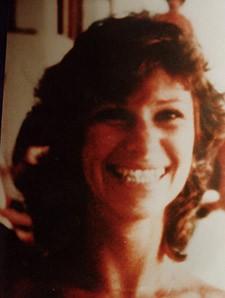
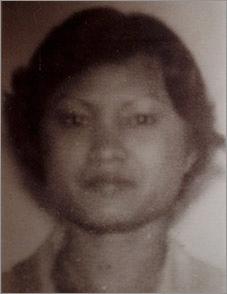
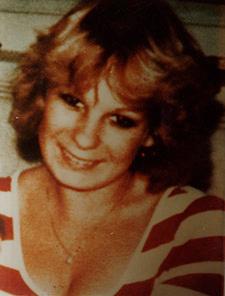
DeLynne Renee “Sugar” Frey, a 19-year-old White/Caucasian woman, slipped into Alaska's spring of 1983 as a face known to Fourth Avenue and to coworkers who knew her as a waitress in Anchorage. Born in Baltimore in 1963, she was last seen in March 1983; memorial records place her date of death on April 1, 1983, with Palmer listed as the location. In the weeks that followed, there was no immediate missing persons report, only the uneasy hush that often surrounds a young woman's sudden absence in a bustling, transient city.
Two years later, on August 20, 1985, the Knik River gave up an answer. A pilot testing new tundra tires set down on a sandbar and discovered human remains on an island in the river, south of where another victim had been found. The woman could not be named; she was buried as a Jane Doe while investigators worked with what little they had. The scene, stark and wind-scrubbed, fit a grim pattern Alaska State Troopers were unraveling—one that traced back to a hunter who stalked people the way others stalked game.
In 1989, a trooper reviewing case photos recognized distinctive jewelry, and the Jane Doe from the Knik River sandbar finally had her name restored: DeLynne Renee “Sugar” Frey. Public notices and obituaries later reflected the identification, noting that she had been quietly laid to rest years earlier before science and careful file work caught up to her story. With the identification came the official linkage that many investigators already suspected—Frey was among the victims attributed to a serial killer whose crimes had haunted Anchorage and the Matanuska–Susitna Valley.
The suspect was Robert C. Hansen, a soft-spoken baker and avid hunter whose respectability masked a long escalation of violence. He was arrested in October 1983 after the escape and testimony of a teenage survivor, Cindy Paulson, catalyzed a joint investigation by Anchorage police and state troopers. In 1984, Hansen admitted to multiple abductions and murders and was sentenced to hundreds of years in prison. Subsequent recoveries and identifications—mapped and, in some cases, led by details he provided—tied additional victims to his spree, and DeLynne Frey's case joined that ledger once her remains were named. Hansen died in prison in 2014.
For DeLynne Frey, the official record shows no separate arrest made uniquely in her case in 1983; rather, her death is one of the killings encompassed by the broader Hansen prosecution. Memorial and case summaries list her as lost to gun violence on April 1, 1983, in the Palmer area, an accounting that squares her disappearance in Anchorage with the later discovery along the Knik River near Palmer. In the end, her name surfaced from anonymity not through a single dramatic break but through the slow insistence of evidence—jewelry noted in a photograph, files revisited, and a wider case that finally explained the silence that followed her last sighting.