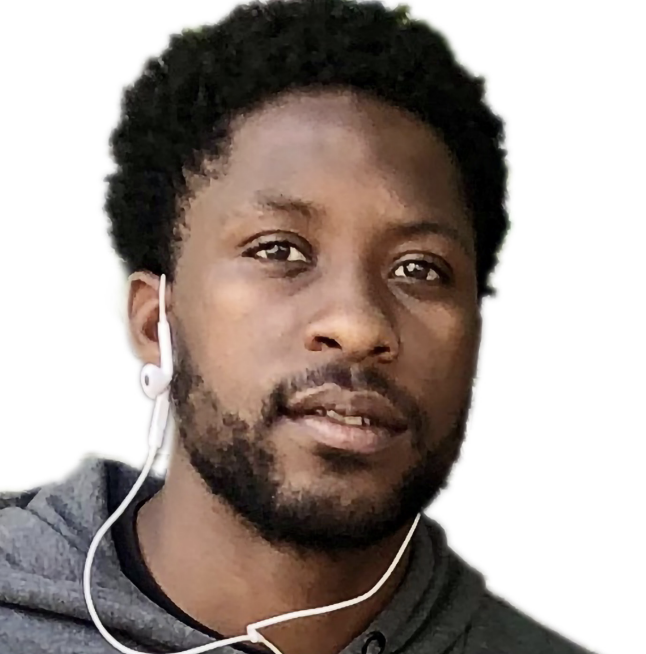
Do you know who murdered Tarriq Curtis Childs in 2019? Tarriq Curtis Childs, a 28-year-old Black / African American man from Silver Spring, Maryland, stepped into the final weekend of 2019 without knowing that the early hours of December 28 would be his last. Just after three in the morning, gunfire broke the quiet along the unit block of Riggs Road NE, near the Fort Totten area of Washington, D.C. Responding officers from the Metropolitan Police Department followed reports of shots fired and found Tarriq inside a vehicle, unconscious and
unresponsive, suffering from a gunshot wound. He was rushed to a nearby hospital, but despite efforts by medical staff, he was pronounced dead there a short time later. His killing, recorded among the year's growing toll of homicides, came in what officials would describe as the deadliest year the city had seen in more than a decade.
The man whose life ended on that cold street had a story that began in the neighborhoods of Northeast D.C., where the contrasts between privilege and struggle were stark. As a young child, he had been part of a teen-mother support program, where a volunteer tutor formed a deep bond with him and his mother, taking him on outings to museums, parks, and ballgames that opened windows onto a wider world beyond the housing projects where he grew up. Those early years were full of energy and curiosity, but the same streets that nurtured him also pulled at him, and as he grew older he became entangled in the criminal justice system and spent years in prison, including long, punishing stretches in solitary confinement.
When he was finally released and placed in a halfway house, Tarriq tried to rebuild from almost nothing. He worked grueling shifts on construction sites and later secured steadier employment with a plumbing company, determined to put distance between himself and the influences that had led him to prison. Friends and family remembered how serious he became about creating a stable life—saving money, planning for his future, and talking about dreams that ranged from personal training and fitness to giving back to the neighborhood that had shaped him. He volunteered at a community organization where he had spent hours as a boy, returning now as an adult to encourage kids to choose paths different from the ones that had cost him so many years. Those who knew him described a man with an infectious smile, a reliable worker who took pride in his job as a water restoration and plumbing technician, and someone whose presence was felt in every room he entered.
In the months before his death, Tarriq's life seemed to be gathering momentum. He spent holidays with his mother in the kitchen, joking and laughing as they prepared Thanksgiving dinner. He visited his great-grandmother, gently drawing her into conversations and showing her photos and videos that sparked long-buried memories. He met with old friends when he could, sometimes just after finishing a long shift, still in work clothes but eager to catch up. He had recently welcomed a daughter into the world, and local coverage of his killing emphasized how proud he was of being a father and how hopeful he was about the future he wanted to build for her. For his family and those who had watched him fight to reclaim his life, the news that he had been found shot and left in a car was shattering. A friend organized a memorial and funeral fund online, describing how his death was far more than another statistic in a violent year and how deeply he was loved by a wide circle of relatives, mentors, and friends.
The final moments of his life, as far as his loved ones have been able to piece together, were brutally stark. Family members learned through frantic calls that he had been shot and abandoned in a vehicle, with no identification on him when first responders arrived. Police quickly classified the case as a homicide, and his name was added to public lists of victims lost to gun violence that year. Memorial pages and tributes appeared online, with candles lit in his honor and messages remembering his humor, resilience, and the way he had tried to steer younger children away from the dangers he knew too well.
Years later, the investigation into the killing of Tarriq Childs remains unresolved. The Metropolitan Police Department has repeatedly appealed to the public for information, issuing reward flyers and public bulletins and offering up to $25,000 for details leading to the arrest and conviction of whoever is responsible. Case summaries on unsolved-homicide websites describe how he was found in the car on Riggs Road NE and emphasize that detectives are still seeking witnesses or anyone who might know what happened in those shadowed minutes before officers arrived. No suspect or suspects have been publicly identified, and available records indicate that no arrests have been made in connection with his death. His case continues to appear on unsolved murder lists and cold-case pages, where his name and photograph stand as a quiet reminder of a life that fought hard for redemption, only to be cut short before justice could be found.