Smoke drifted out of a vacant building in downtown Birmingham on the afternoon of December 10, 2020, drawing firefighters to the 800 block of 2nd Avenue North. What looked at first like a routine call to knock down a small blaze turned into something far darker once crews pushed inside: a body was burning in the hollowed-out interior of the abandoned structure, and the scene made it immediately clear this wasn’t an accident.
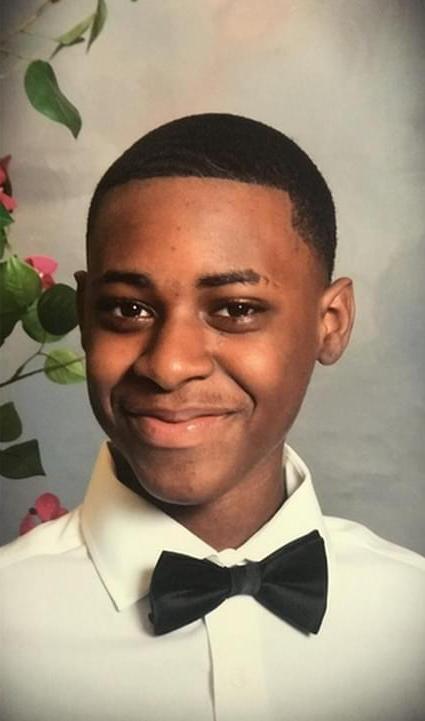
The victim was identified as Maxim Voronetsky, a 34-year-old
man. Investigators said the killing was especially brutal—Voronetsky had been fatally wounded, decapitated, and then set on fire inside the building, as if someone hoped flames and smoke might erase what happened there. Instead, the fire became the very thing that brought first responders and detectives to the doorway.
As word of the discovery spread, Birmingham police shifted the case into a homicide investigation and began piecing together what led to the attack. Authorities described Voronetsky as transient, and the early investigative picture centered on what happened inside the vacant building before the fire was lit—an encounter that escalated into violence and ended with a deliberate attempt to burn the evidence.
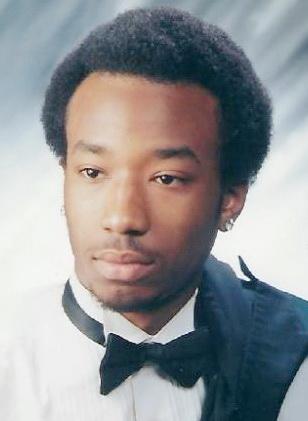
Within a short time, police announced a suspect in custody. Jason Dwayne Adams was arrested in connection with Voronetsky’s death and charged with murder, with reports at the time noting he was being held in the Jefferson County Jail on a $100,000 bond. Police continued to seek information from anyone who might have seen movement around the building or known what brought the two men into the same abandoned space that day.
The case did not remain a mystery on the court calendar. As the prosecution moved forward, Adams ultimately chose to end the path toward a trial: he entered a guilty plea in Voronetsky’s killing. Reporting around the plea indicated it came as a trial date arrived, and that several unrelated charges—unlawful breaking and entering a vehicle, possession of burglary tools, unlawful possession of a controlled substance, and promoting prison contraband—were dismissed as part of the plea agreement, narrowing the focus back to the homicide that began with a fire and ended with a name.