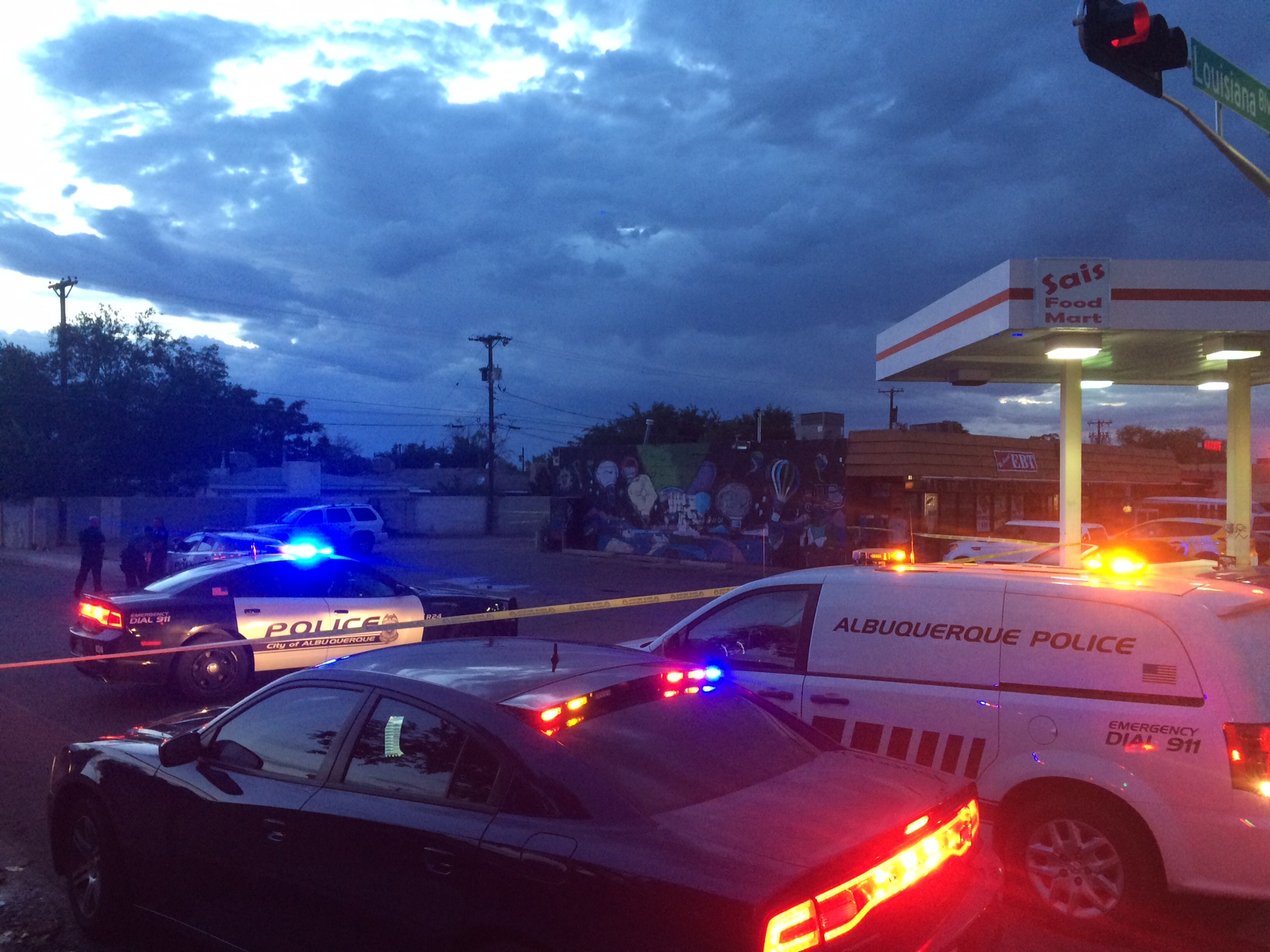
Danny Craig, a 49-year-old white male from Denver, Colorado, was found critically injured inside a residence at 645 North Wolff Street in the final days of October 2010, and he died soon afterward from the trauma he had suffered. Official homicide records compiled by the Denver coroner’s office list his death in the early evening of October 28, 2010, giving a precise time of 5:33 p.m.
and tying his final moments to that Wolff Street address on Denver’s west side, a multi-unit apartment building in the Villa Park neighborhood. A cold-case summary of the crime notes that Craig was discovered at the Wolff Street residence on October 26, 2010, suggesting that whatever violence led to his death unfolded in the narrow window just before he was found, and that the injuries he sustained at that location ultimately proved fatal.
After his body was taken into the care of the coroner, the picture that emerged was one of sustained physical attack rather than a sudden medical collapse or accident. In the official 2010 Denver homicide roster, Craig’s entry is stark: sex male, race white, age forty-nine, with the final cause of death recorded as “complications of multiple blunt force injuries,” and the manner of death classified as homicide. The phrasing indicates that he did not die instantly; instead, he succumbed to the cascading medical consequences of those blows, whether internal bleeding, organ damage, or other complications that accumulated after the initial assault. A later synopsis on a homicide-tracking site echoes this medical finding, stating that his death was explicitly ruled the result of complications from multiple blunt-force injuries, reinforcing that his case was never treated as anything but a killing.
Inside that Wolff Street apartment, however, the public record offers no clear narrative of what actually happened to Craig in the hours before he was discovered. The homicide roster that preserves his name alongside the other thirty-eight people murdered in Denver in 2010 offers no details about a weapon, no mention of a robbery gone wrong, a domestic dispute, or an argument that escalated into violence; it simply fixes him in time and space as a victim of blunt-force trauma at that address. Subsequent citywide analyses of Denver homicides in that era emphasize how many killings never led to swift resolution, and Craig’s case fits that quiet pattern: it appears on lists and maps of 2010 homicides, but there are no follow-up news articles about charges filed, trials held, or convictions won in connection with his name. A later cold-case description makes this absence explicit, noting that despite investigative efforts by law enforcement, the circumstances of the murder remain unclear and that no suspects have been identified, leaving his killing officially unsolved.
Away from the clinical language of coroner records and crime summaries, the only publicly accessible glimpse of Craig’s life comes from the obituary notices that marked his passing. Under his full name, Danny Dale Craig, the death announcement tied to the Denver Post simply states that he “passed away” in late October 2010 and lists the date and place of his memorial service, held at a funeral chapel on West Alameda Avenue in nearby Lakewood. The brief tributes left there remember him in personal terms—friends and relatives writing of fond memories and quiet grief—while saying nothing about police investigations, injuries, or homicide classifications. In that contrast between the gentle language of the obituary and the stark homicide entry that records his death as the result of multiple blunt-force injuries, Danny Craig’s story remains suspended: a man whose life ended violently in a Wolff Street apartment, whose killer or killers have never been publicly named, and whose family was left to mourn without the closure that an arrest or conviction might have brought.