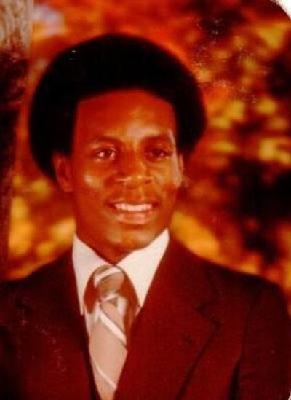
Michael Brown, a 55-year-old African American man, was killed on July 11, 2017, during an armed home invasion in Milwaukee, Wisconsin. He had been watching movies with a woman in a bedroom at a home near North 12th and West Chambers streets when two armed intruders entered and demanded money. What had been a night spent at home became a robbery in which the occupants were ordered to lie facedown on the bed and avoid looking at their attackers.
According to the criminal complaint, Brown repeatedly said there was no money to give them, but the intruders continued their demands. One began striking him with what the woman believed was a gun. When she tried to glance at the attackers, she was struck in the head with a firearm. One intruder searched through the house while the other guarded the bedroom. Brown was eventually ordered into another room to show them where the money was. The woman reported that, after approximately 20 minutes, she heard someone order Brown onto his knees, followed by movement and a single gunshot.
The woman remained in the bedroom for another 20 to 30 minutes because she wanted to be certain the intruders had left. When she finally emerged, she encountered Brown’s body on the living-room floor and fled to a nearby home to call 911. Brown had suffered a single gunshot wound to the head, and his death was ruled a homicide. Two flat-screen televisions were missing from the residence.
The investigation led to Royce Bernard and Arnel Collins. The surviving witness identified the suspects from photographs and described Bernard as the more aggressive intruder who directed the robbery and repeatedly demanded money. Another witness told investigators she overheard a conversation between Bernard and Collins on the day of the killing. According to the complaint, Bernard criticized Collins for shooting too quickly, while Collins admitted shooting Brown because he had not surrendered money and drugs. These statements became part of the evidence linking the suspects to the home invasion.
By April 2018, both suspects were facing criminal charges. Bernard was charged with felony murder as a party to a crime. Collins was charged with first-degree intentional homicide with use of a dangerous weapon, as a party to a crime, and armed robbery with use of force, also as a party to a crime. At preliminary hearings on April 18, Milwaukee police detectives testified, defense requests to dismiss the cases were denied, and the court found sufficient probable cause for the prosecutions to proceed.
Bernard’s case went to trial in July 2019. Brown’s partner of 40 years testified about the attack and identified Bernard in court. Brandon Thomas, another participant in the robbery, testified that he initially waited in a car while Bernard and Collins entered the house. He said Collins later summoned him to collect property, and he saw Brown on the living-room floor with Collins pointing a gun at him. Thomas carried a television and clothing outside, heard a gunshot, and then saw Bernard and Collins flee. Bernard denied involvement and offered an alibi, but jurors also heard recorded jail calls in which he told prospective witnesses to make their accounts match.
On July 25, 2019, the jury found Bernard guilty of felony murder as a party to a crime. On September 27, he was sentenced to 25 years in prison followed by 15 years of extended supervision, with credit for 515 days already served. Collins had pleaded not guilty, and reporting published after Bernard’s sentencing listed Collins’s trial as scheduled to begin on October 7, 2019.
Bernard subsequently challenged his conviction, raising objections to the identification procedures, his attorney’s performance, and the handling of evidence. On November 4, 2025, the Wisconsin Court of Appeals affirmed his conviction and the denial of postconviction relief. The available reporting confirms the charges against Collins, but a final verdict or sentence in his case could not be verified.