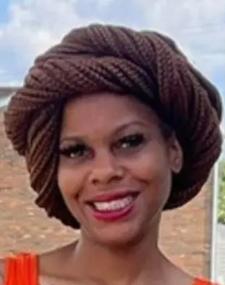
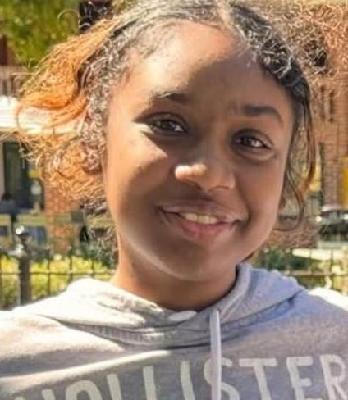
Jacobi Danielle Brown was 22 years old when her life came to an end on May 5, 2001, in Newport News, Virginia. She was a Black female whose presence was deeply felt by those who knew her, and her death marked a quiet but profound loss within her community. At the time, she was employed as a collection representative with NCO Financial Services, working toward her future and building a life that was still in its early stages.
Those closest to Jacobi remembered her not through headlines or public records, but through the everyday moments that defined her short life. She was a young woman navigating adulthood, balancing work and personal relationships, and contributing in her own way to the world around her. When she died, the focus turned not to answers, but to remembrance. Funeral services were held at Carter Funeral Home in Newport News, and she was laid to rest at Oakland Cemetery, where family and friends gathered to say goodbye and honor who she had been.
What remains most striking about Jacobi’s death is how little is publicly known about the circumstances surrounding it. Online records and archived reporting do not describe how she died, whether her passing was sudden or the result of violence, or whether law enforcement treated her death as a criminal matter. There are no accessible accounts detailing an investigation, no descriptions of a scene, and no narrative explaining what happened in the final moments of her life.
Likewise, there is no public information indicating that any suspects were identified or that arrests, charges, trials, or convictions followed her death. If law enforcement pursued leads or conducted an inquiry, those details do not appear in available online sources. The absence of such information leaves her story unfinished in the public record, defined more by silence than by resolution.
Jacobi Danielle Brown’s legacy, as it stands, is preserved primarily through remembrance rather than explanation. Her death is documented, but the story behind it remains largely untold, known only to those who loved her and lived through the loss. In that silence, her life stands as the most important part of her story—a young woman gone too soon, remembered not for how she died, but for the life she lived and the space she left behind.