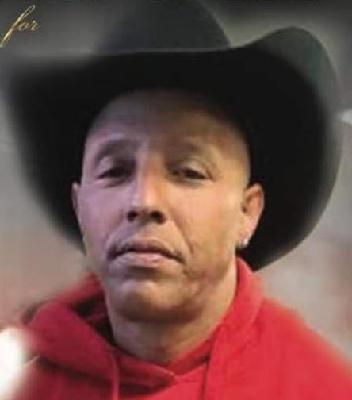
Albert Louis Campbell, a 53-year-old Black man from Memphis, Tennessee, died on July 6, 2008, leaving behind two worlds he had stitched together with the same steady hands: the pulpit and the garage. In the public notice of his passing, he is remembered as the pastor of Perfect Praise Church of God in Christ and as the owner of Mr. Timing Mechanic Shop on Elvis Presley Boulevard—two places where people came to him for help when life broke down, whether it was a spirit in need of lifting or a
vehicle that wouldn’t make it home.
In the days that followed, Memphis marked his absence with rituals that tried to make sense of it. A visitation was held on Thursday, July 10, at N.J. Ford & Sons Funeral Home, and his funeral service took place the next morning, Friday, July 11, at Meek and Humble C.O.G.I.C. on Chelsea, before he was laid to rest at Forest Hill Midtown Cemetery. The schedule reads like a map of the city’s goodbyes—doors opening, hands shaking, hymns rising, then the long quiet afterward.
He left a large family to carry the weight of what was suddenly missing: his wife, Lavonda Kinger; six daughters—Tiffany Hamilton, Sharonda Campbell, Brittany Campbell, Venessa Campbell, Apree Jackson, and Dominique Campbell; two sons—Denzel Davis and Qwaunze Campbell; along with sisters, brothers, grandchildren, and a wide circle of relatives and friends. The names, listed one after another, read like a roll call of people who had expected more time.
Those who wrote condolences painted him in small, vivid moments that felt truer than any headline: a man who could be called when a car failed at the worst hour, who would come out anyway, who mixed practical advice with faith, and who seemed to treat helping as the natural way of moving through the world. Some remembered him as a role model, someone who spoke belief into other people’s futures; others remembered the simple reliability—day or night, he would show up, and he would talk about God while he worked.
As for arrests, named suspects, or court outcomes connected to his death, the publicly accessible sources available here do not report any investigative details. The online obituary and its guestbook focus on who he was and what he meant to people, not on how he died or whether anyone was held responsible, leaving the story’s most painful questions unanswered in the public record that can be confirmed from those sources.