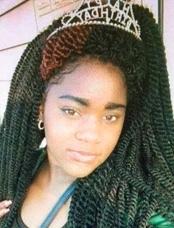
In the early morning hours of January 27, 2011, the body of 31-year-old Black female Tamakia McKinney was discovered in South Memphis, Tennessee. A mother of two, McKinney had been shot to death and was found near the Mt. Carmel Cemetery. While she had no criminal record for prostitution, her family later acknowledged their awareness of her involvement in sex work.
Her death marked the beginning of a series of violent attacks against women in the area that would create a climate of fear.
The investigation into McKinney's murder soon revealed a disturbing pattern. Within a month, two other women, Jessica Lewis and Rhonda Wells, both identified as sex workers, were also found shot to death in or near the same cemetery. A fourth woman, Katrina Peterson, was shot but managed to survive the attack. This string of homicides led Memphis police to believe that a serial killer was targeting prostitutes in the South Memphis area. Forensic evidence, including DNA from the same unidentified male, was recovered from the scenes of the murders, linking the cases.
The only survivor, Peterson, provided a description of her attacker to the authorities. She described a young Black man, approximately 24 years old with his hair in cornrows, who was driving a dark-colored vehicle, possibly a Dodge Charger or a Chrysler 300. Based on this information, a composite sketch of the suspect was created and released to the public in an effort to generate leads.
Despite the eyewitness description, the DNA evidence, and the clear connections between the murders, no arrests have ever been made in the death of Tamakia McKinney or the other related cases. The identity of the man responsible for the South Memphis prostitute killings remains unknown, and the cases have grown cold over the years. The series of unsolved murders left a lasting impact on the community and the families of the victims, who are still awaiting justice.