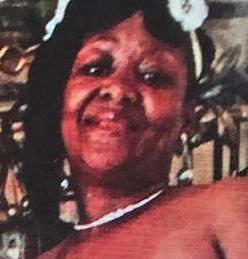
Christual Johnson, a 23-year-old Black woman, was living in Memphis, Tennessee, when her life was cut short in late February 2015. Born on September 19, 1991, in New Orleans, Louisiana, she was remembered in the wake of her death as someone rooted in family, faith, and community, with loved ones left trying to make sense of a loss that came far too soon.
As the news spread around Memphis, the circumstances were described publicly as part of a grim, domestic-violence-linked episode that authorities and local coverage framed as an apparent murder-suicide, with more than one person dead. Christual’s death was listed alongside another woman, Leah Bumpus, placing the two names together in the same violent event and underscoring how quickly a private crisis can become a public tragedy.
In the days that followed, the focus shifted from unanswered questions to the painful work of mourning. A celebration of Christual’s life was scheduled for March 14, 2015, at Greater King David Baptist Church in Baton Rouge, Louisiana, with visiting hours that morning before the service. Her Memphis pastor, the Reverend Dr. Eugene L. Gibson, Jr. of Olivet Fellowship Baptist Church, was listed as officiating—an echo of the home and spiritual family she had built in Memphis, carried with her into the farewell.
For the other family devastated by the same violence, grief also came with immediate practical fears. A fundraiser created in early March 2015 described Leah Bumpus’s death as “senseless” and tied to domestic violence, emphasizing the children and family members left behind and the sudden scramble to support them through burial costs and the months ahead. The language of that appeal captures the aftershock that so often follows these cases: the devastation isn’t confined to the moment of violence—it ripples outward into the lives of those who have to keep going.
Publicly available summaries connected to Christual’s death point to an apparent murder-suicide scenario rather than a continuing manhunt, and the accessible sources reviewed do not describe later arrests, criminal charges, trials, or convictions tied to her death. Instead, what remains most visible in the record is the human aftermath—two young women lost, families speaking in the language of remembrance and survival, and a community left to carry forward the stories of the people who should still be here.