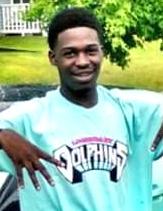
Marcel Tate, 26, a Black man from Memphis, Tennessee, was discovered in the quiet early hours of November 22, 2016, slumped behind the wheel of his car on Rosewood in South Memphis. It was his grandmother who found him—unresponsive in the driver’s seat—after something didn’t feel right and she went looking. When officers arrived to the call, they found the vehicle still running and the doors locked, a detail that made the scene feel even more unsettling, like time had been paused
mid-moment.
Police determined he had been shot once and died there in the car. The location was near Mississippi Boulevard and I-240, a stretch of neighborhood streets that, at that hour, should have been waking up instead of becoming a crime scene. Investigators worked to piece together how long he’d been there and what led to the gunfire that ended his life.
As the story took shape, investigators indicated that a gunshot had been heard in the area sometime between late evening and midnight the night before, suggesting the violence may have happened hours earlier, under cover of darkness, before the morning discovery. The timeline only deepened the questions—who was nearby, who noticed anything, and who might have known exactly where to find him in that car.
In the immediate aftermath, authorities said no one had been arrested in connection with the killing, and the case remained under investigation. The public-facing details stayed sparse, the kind that can haunt a family: a running engine, locked doors, a single gunshot, and a loved one left to walk into the aftermath.
Days later, grief moved from police tape to funeral arrangements. Services were held in early December in Memphis, marking the shift from investigation to mourning—family and friends gathering to say goodbye while the unanswered parts of the story still lingered outside the chapel doors.