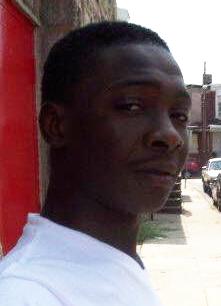
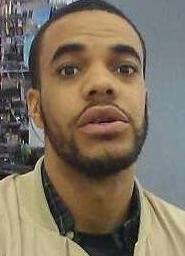
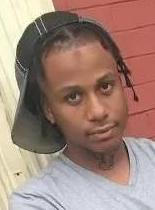
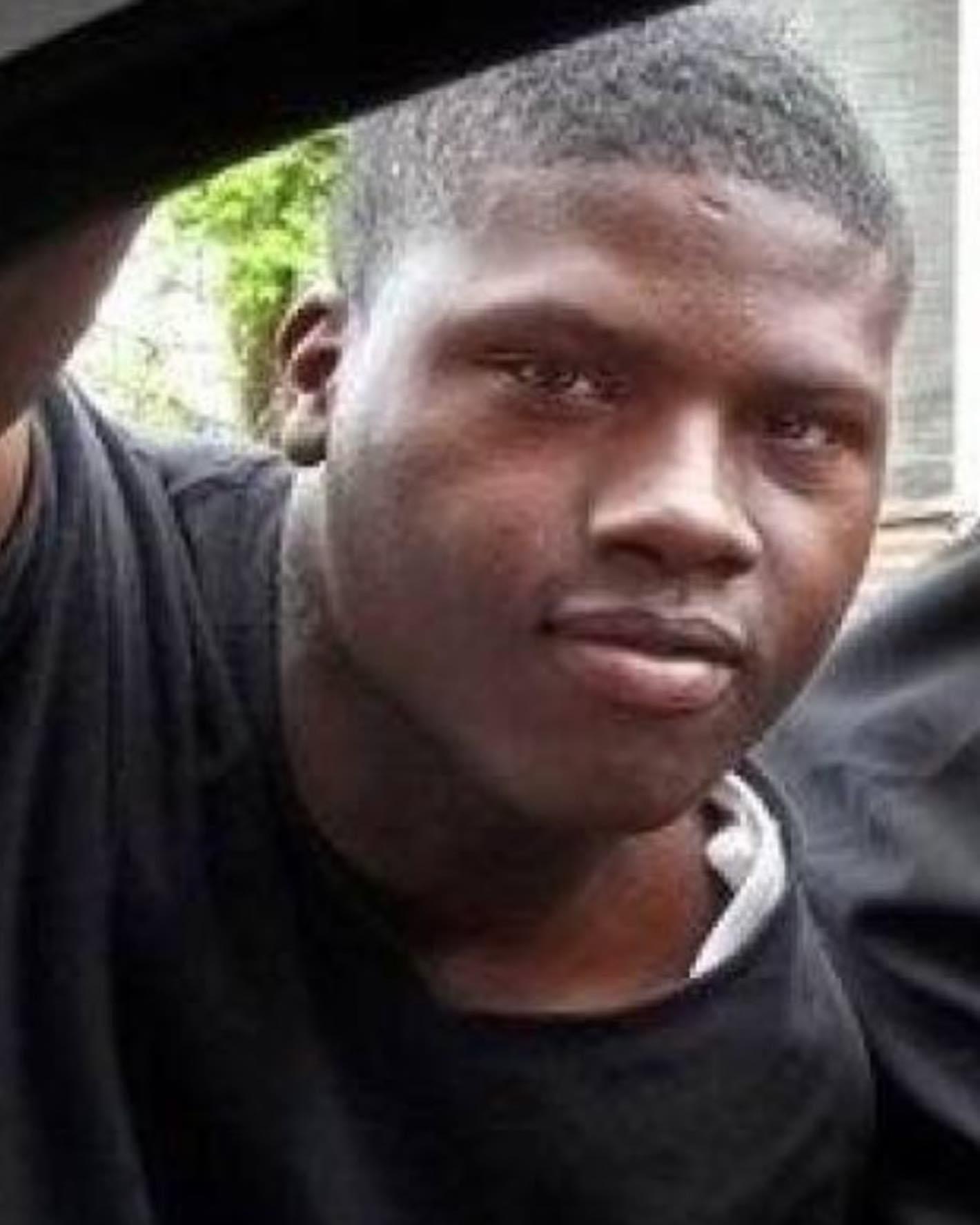
Tony Hale, a 25-year-old Black male from Philadelphia, was the kind of victim whose story, at least in the public record, is painfully brief. What is known is that on the night of Tuesday, November 2, 2010, violence found him near the edge of Temple University’s Main Campus in North Philadelphia. He was discovered around 9 p.m. on the 2000 block of North 11th Street, inside a Buick LeSabre, suffering from multiple gunshot wounds to the chest. The scene placed him close to a busy university community, but Tony was not a Temple student. He was a young man from the city, from East Westmoreland Street, whose life was suddenly and brutally interrupted in a place where people were still moving through their evening, unaware that a homicide investigation was beginning nearby.
When Temple Police came upon the scene, Tony was still alive, but gravely wounded. The shots had left him in extremely critical condition, and he was rushed to Temple University Hospital as emergency responders tried to give him a chance to survive. For a brief time, there may have been hope that medical intervention could change the outcome, that he could make it through the night and tell police what had happened. But the damage was too severe. Tony Hale died the next day, Wednesday, November 3, 2010. His death turned a shooting investigation into a homicide case and added his name to Philadelphia’s list of lives lost to gun violence that year.
The details surrounding the shooting remain limited. The public information does not explain why Tony was inside that Buick LeSabre, whether he had been meeting someone, whether he was targeted, or whether the shooting grew out of a sudden confrontation. There is no clear public account of who approached him, how many people were involved, or what led to the gunfire. What remains is the devastating image of a young man found wounded in a car, shot multiple times, unable to escape what happened to him. His final hours were spent not in the comfort of home or surrounded by family, but in a hospital, fighting for his life after an act of violence that offered few answers.
Tony’s killing occurred during a tense stretch around the Temple University area. Other shootings had taken place nearby in the weeks before his death, including violence that affected both students and non-students in the surrounding North Philadelphia community. Because his shooting happened close to campus, it drew concern in an area already unsettled by gun violence. Still, university officials indicated that no campus alert was issued because the information available to police suggested that no Temple students were involved, no students were believed to be in danger, and there was no immediate action the campus community needed to take. For Tony’s loved ones, though, the technical distinction between campus and community likely meant very little. A life had been taken. A family had lost someone. A young man who should have had many years ahead of him was gone.
The absence of public detail makes Tony Hale’s case feel even heavier. Some homicide stories eventually unfold through arrests, court filings, testimony, and trial coverage. In Tony’s case, the available information does not name a suspect, identify a motive, or describe any arrest. There is no public record in the information provided showing that anyone was charged, tried, convicted, or held accountable for his death. That silence leaves his story suspended in the aftermath: the shooting, the hospital, the death, and then unanswered questions.
What happened to Tony Hale was more than a brief crime report. He was a person with a name, a home, and a life that mattered before the night he was found shot on North 11th Street. At only 25 years old, he was still young, still in the early stretch of adulthood, still someone whose future should not have ended inside a car on a Philadelphia street. His death left behind the kind of grief that public records rarely capture: the shock of a phone call, the pain of a hospital loss, the anger of not knowing who did it, and the heartbreak of realizing that someone loved would not be coming home.
The public record may not preserve the fullness of who Tony was, but it does preserve the fact that he was killed, that his death was violent, and that the answers appear to remain scarce. His case stands as one of those Philadelphia homicides where the known facts are simple but devastating: a young man was shot multiple times, rushed to the hospital in critical condition, and died the following day. No publicly available information in the details provided identifies the person or people responsible. For those who knew him, the lack of answers likely deepened the loss, leaving them not only to mourn Tony’s death, but to live with the uncertainty of why it happened and who took him away.