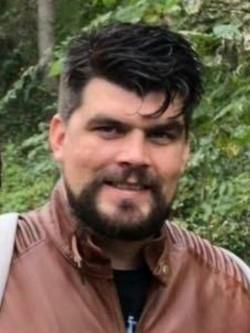
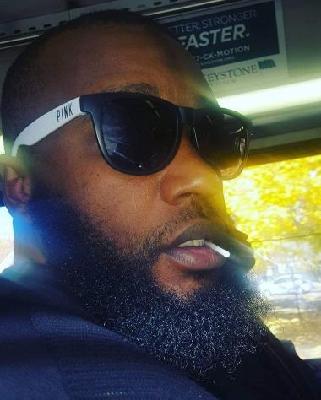
In the spring of 2016, a man who had navigated the perilous streets of Philadelphia's underworld for the better part of three decades met a violent end. Edwin 'Capone' Laboy, a 46-year-old man, was killed in what was described as the city's most violent homicide of that year. His death occurred inside a Kensington rowhouse, a place that became the final chapter in a life marked by close calls and a reputation that echoed through the city's roughest corners.
On a Sunday in April,
authorities were called to a home in the Kensington neighborhood after a man, James Elijah Dickson, who was also 46, informed a dispatcher that he had shot three people. What followed was a tense standoff, with Dickson refusing to emerge until sunrise. As SWAT units surrounded the residence, he fired shots at them from inside. When he finally surrendered, a grim discovery was made within the house.
Three individuals were found dead, all having suffered shotgun blasts to the head in different rooms. One of the victims was identified as Edwin Laboy. The other two victims were a mother of three and a 46-year-old laborer. Another man managed to escape the house with a gunshot wound to his arm and was taken to a local hospital in critical condition. The motive for the rampage remained largely a mystery, even after the accused killer was taken into custody.
James Elijah Dickson was subsequently arrested and charged with murder, attempted murder, aggravated assault, and other offenses for the deaths of Laboy and the two other victims. He was held for trial following his arrest. The death of Edwin 'Capone' Laboy marked a definitive end to a life lived on the edge, a life that had seen him survive numerous attempts on his life, including being shot at with an AK-47 and being kidnapped and tortured. His luck, it seemed, had finally run out in that Kensington rowhouse.