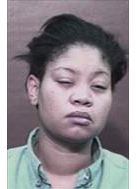
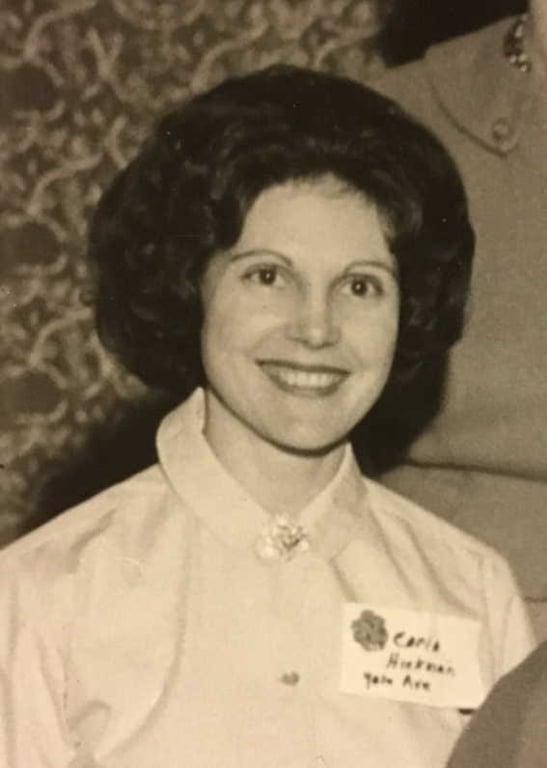
Do you know who murdered Lena?
On an August night in 1998, Lena Gayle Johnson, a 38-year-old woman from Tulsa, Oklahoma, stepped into the fluorescent glow of a Citgo gas station downtown and reached out for help in the most ordinary way: she picked up the phone and called her husband. It was around 1:00 a.m. on August 10 when she told him where she was and asked him to come and get her. Fifteen minutes later, when he arrived at the station at 323 West 3rd Street, Lena was nowhere to be found. The empty forecourt, the quiet pumps, and the absence of his wife were the first hints that something had gone terribly wrong.
While her husband searched and the city slept, events were unfolding miles away on Highway 11. Just over an hour after Lena's call, at about 2:08 a.m., officers responding to a report discovered her lying in the roadway near 3600 East Highway 11. She was severely injured, the violence of what had happened to her written in the trauma to her head. The scene offered few answers—no waiting car, no discarded weapon, no obvious explanation for how a woman who had just been waiting at a gas station downtown ended up critically hurt on a stretch of highway in the dark.
Lena was rushed from the road to a hospital, where doctors fought to save her. The injuries she had sustained caused a subdural hematoma, a bleed on the brain often associated with significant blunt-force impact. Despite medical efforts, Lena died the following day, on August 11, 1998. Official records and later memorial information list her as having been born on May 20, 1960, meaning she was in her late thirties when her life was cut short. Her death was classified as the result of this traumatic brain injury, and the manner of death is treated as a homicide.
In the days and years that followed, Lena's case settled into the haunting category of an unsolved crime. The Tulsa Police Department recorded it as a cold case, summarizing the stark timeline: the 1:00 a.m. call from the Citgo station, the husband's arrival and inability to find her, the discovery of her injured body on Highway 11, and her death from a subdural hematoma the next day. Appeals were made for information, urging anyone who knew what happened to come forward. Yet the public record contains no mention of a person arrested or charged in connection with her killing, and no suspect or suspects have been publicly identified by law enforcement.
Today, Lena Gayle Johnson's story is preserved in brief case summaries and cold case listings, a life reduced to dates, locations, and a few chilling lines about a phone call, an empty gas station, and a body found in the road. Behind that sparse record is the unanswered question of what happened in the gap between her husband's drive to the Citgo and the officers' discovery on Highway 11—a gap that holds the key to who took Lena from her family and why. Until someone comes forward with the truth, her death remains an open wound in Tulsa's history, a late-night journey that never ended the way it was meant to.