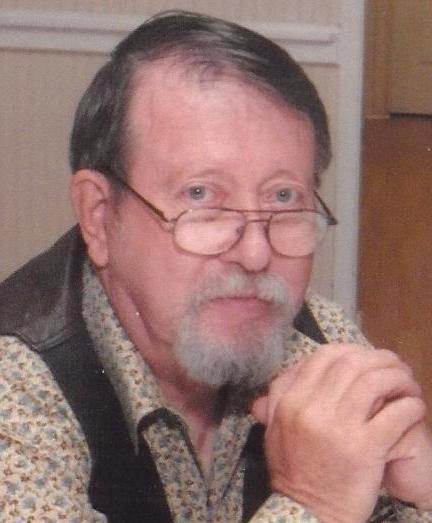
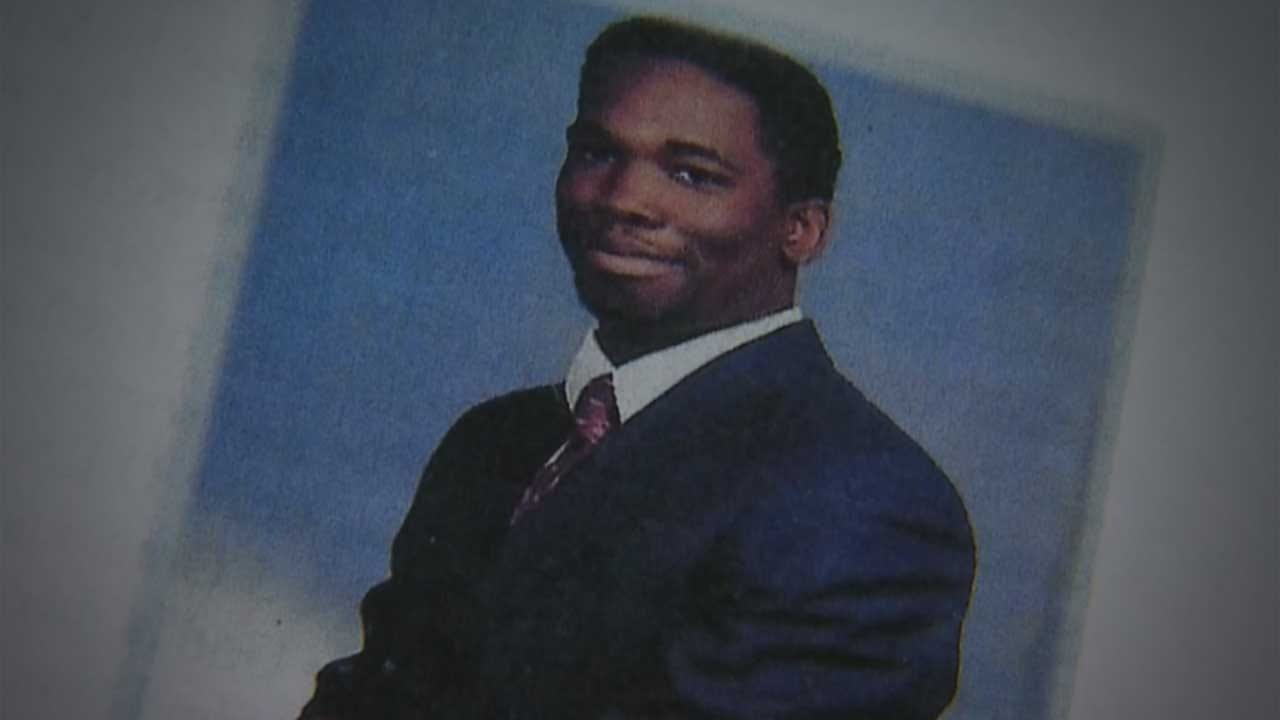
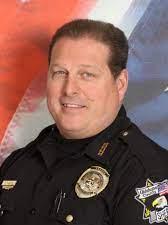
On the morning of June 8, 2014, Lloyd Strain, a 58-year-old Caucasian/White male from Oklahoma City, was found dead in a narrow alley off the 1200 block of North Pennsylvania Avenue, near NW 12th Street in the city’s northwest side. His body lay naked in the alley behind a small neighborhood restaurant, Nic’s Grill, discovered just after 9 a.m. on a Sunday that otherwise would have been unremarkable for the busy corridor of traffic and local businesses.
Homicide detectives quickly noted trauma on his body, injuries that would later be described as blunt-force trauma, and his death was ruled a homicide. In local tallies of violent crime, Strain’s killing became the city’s 21st homicide of the year, a stark statistic attached to a man whose final moments unfolded out of public view in a back alley.
In the hours and days after the discovery, investigators from the Oklahoma City Police Department canvassed the area around NW 12th and Pennsylvania, a mix of small businesses and traffic-heavy streets, looking for anyone who might have seen Strain in the early morning hours. The detail that he had been left without clothing, combined with the visible injuries, immediately convinced detectives that he had died by violence rather than from natural causes or an accident. At first, however, police could offer the public few answers. They released his name and age once he had been identified and appealed for tips through the homicide tip line, but they did not name any suspects or suggest a motive, and the circumstances of how Strain had come to be in that alley remained a mystery.
That silence broke about a month later. In mid-July 2014, Oklahoma City police announced that they had arrested two men in connection with Strain’s death: 32-year-old Ronald Kelly and 43-year-old Charles McFarland. Both men were booked on murder charges, with detectives stating that they believed the pair had taken part in the fatal assault that left Strain dead in the alley near NW 12th and Pennsylvania. At the time of this announcement, Kelly was already in the Oklahoma County Jail on an unrelated set of serious allegations — authorities said he had recently been arrested on charges including kidnapping, domestic abuse, and domestic assault for an incident in which he was accused of attacking his girlfriend and stabbing her with a screwdriver. The murder charge tied to Strain’s killing was added to that existing list. Police still did not share any clear motive for why Strain had been targeted or what had led to the beating that caused his death, leaving the public to understand only that the attack had been brutal and deliberate.
Even with two men in custody, detectives said they were looking for a third suspect. That man, identified as 44-year-old Barron Nelson, was publicly named as someone police wanted to question and arrest in connection with the killing. Oklahoma City authorities circulated his name and age and asked anyone who knew where he might be to contact the homicide unit. For a time, Nelson remained at large, and the picture that emerged was of a case in which multiple people had allegedly participated in the violence that ended Strain’s life, then scattered in the weeks that followed.
The search for Nelson eventually reached across state lines. In early August 2014, deputies in Brevard County, Florida, acting on information from Oklahoma authorities, located Barron Lee Nelson in Satellite Beach. He was arrested as he left a convenience store, taken into custody on an Oklahoma City warrant listing murder and robbery charges. Florida news reports noted that investigators in Oklahoma City had connected Nelson to a case involving a 58-year-old man whose body was found naked in an alley, details that closely mirrored the known facts of Strain’s killing in northwest Oklahoma City. With his arrest, all three of the men publicly linked to the case had been taken into custody, and Nelson faced not only the Oklahoma warrant but also an outstanding probation violation in Florida.
As the criminal proceedings moved from investigation to the courts, fewer details were made widely public, but later summaries of the case indicate that at least one of the men charged in connection with Strain’s death was ultimately convicted. A memorial entry referencing coverage by Oklahoma City media notes that on February 2, 2016, a suspect in the case was sentenced to 20 years in prison after a second-degree murder conviction stemming from a fatal beating, bringing a measure of legal resolution to a homicide that had begun with the shocking discovery of a naked, badly injured man in a city alley. That same memorial reiterates that Strain died of blunt-force trauma and that his killing was counted among Oklahoma City’s homicides for 2014, ensuring that his name and the violent circumstances of his death remain part of the public record of the city’s unresolved grief over violent crime.