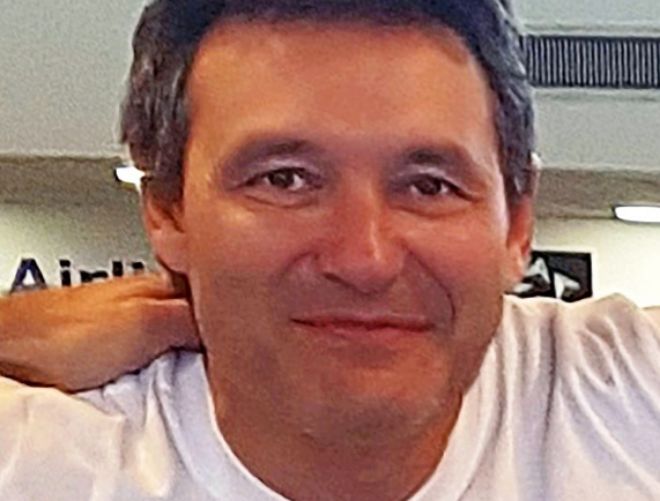
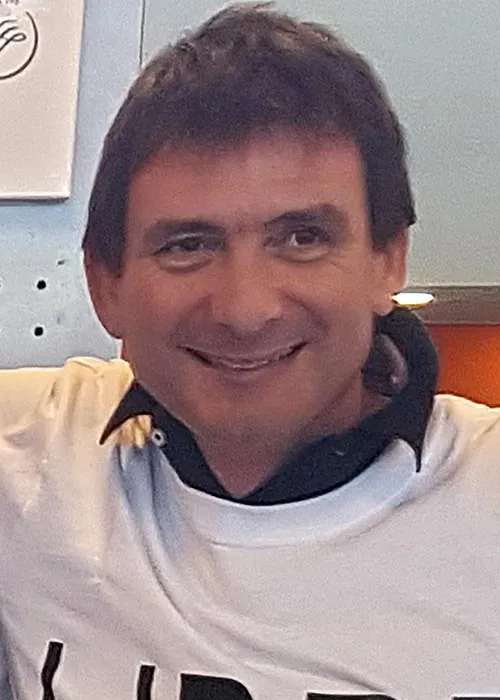
For decades, Salvatore Briguglio was known as a powerful and feared figure in New Jersey, a man who moved in the highest circles of the International Brotherhood of Teamsters and organized crime. Born on February 4, 1930, in Union City, New Jersey, the 48-year-old male was a husband and father of two who lived in the suburban community of Westwood. To the public, he was a business agent for the influential Teamsters Local 560, but to law enforcement, he was a ruthless hitman and a top lieutenant for Genovese crime family capo Anthony "Tony Pro" Provenzano. Briguglio, often called "Sally Bugs," was a short, slim man who wore thick glasses, an appearance that belied his reputation as a killer investigators believed was responsible for dozens of murders.
Briguglio’s name was inextricably linked to one of the most enduring American mysteries of the 20th century: the disappearance of former Teamsters president Jimmy Hoffa.
The FBI considered Briguglio a prime suspect in Hoffa's 1975 vanishing from a Detroit-area restaurant parking lot. Investigators theorized that Briguglio was one of the men Hoffa was supposed to meet that day to settle a bitter feud with Provenzano. At the time of his own death, Briguglio was under immense pressure from federal authorities. He was facing an indictment, along with Provenzano, for the 1961 murder of Anthony Castellitto, a rival union official. According to an informant, Briguglio not only participated in Castellitto's strangulation but was rewarded with the slain man's union position.
On the rainy night of March 21, 1978, Briguglio’s violent life came to a violent end in Manhattan’s Little Italy. As he walked outside the Andrea Doria Social Club at 165 Mulberry Street, two men in jackets ambushed him from behind. They knocked him to the ground and, without a word, fired multiple shots into his head and chest at close range. The gunmen, leaving Briguglio dead on the sidewalk, were seen running north before escaping in a light blue Mercury with New Jersey license plates. He was found wearing a brown leather jacket, a plaid shirt, and dark slacks.
The brazen execution immediately sparked intense interest from federal agents, who hoped the killing might shake loose new leads in the stalled Hoffa investigation. The murder was seen by many as a classic mob hit, designed to silence a potential witness. Investigators speculated that Briguglio was killed either because his associates feared he might cooperate with the government in the Castellitto murder trial or because they worried he would finally break his silence about what happened to Jimmy Hoffa. Just days before his death, Briguglio had given an interview to reporter Dan Moldea, author of "The Hoffa Wars," and appeared worn down by the constant federal pressure.
Despite the high-profile nature of the victim and the clear connections to major organized crime investigations, the case quickly went cold. The killers vanished into the night, and the code of silence that governed the world Briguglio inhabited held firm. No one was ever arrested or charged for his murder. His death effectively closed off a major avenue of investigation for the FBI agents trying to solve the Hoffa disappearance, leaving many of their questions permanently unanswered.
Over the years, theories about Briguglio's death have been plentiful, most pointing toward an internal mob decision to eliminate a liability. The 2019 film "The Irishman," based on the book "I Heard You Paint Houses," presented a detailed confession from mob hitman Frank Sheeran, who claimed he and another man carried out Briguglio's murder. However, this claim, like Sheeran's confession to killing Hoffa, has been widely disputed by journalists and investigators who have covered the cases for decades.
As of January 2020, the murder of Salvatore Briguglio remains officially unsolved. The New York City Police Department has never formally closed the case, but there have been no new leads or public announcements in many years. The shooting on Mulberry Street was another bloody chapter in a brutal power struggle within the Teamsters and the Mafia, leaving behind a cold case file that holds the secrets to some of organized crime's most infamous acts.