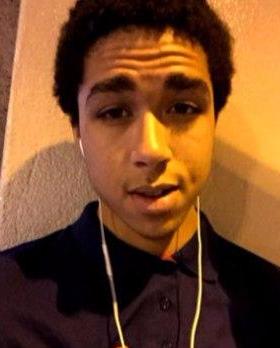
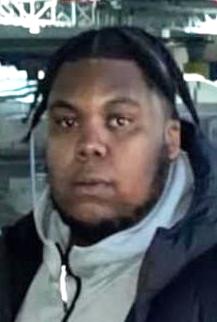
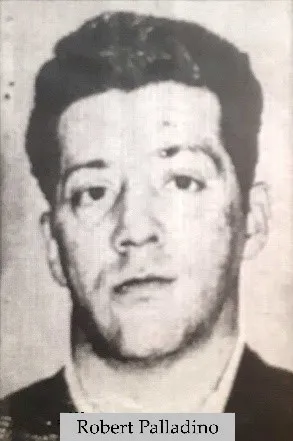
On the evening of Saturday, November 6, 1999, a call came into the Boston Police Department reporting that a person had been shot at 2222 Dorchester Avenue. Officers were dispatched to the address in the city’s Dorchester neighborhood, a sprawling and diverse community known for its historic homes and bustling streets. When police arrived, they found a man suffering from fatal gunshot wounds. He was identified as Carlos Osorno, a male victim who was pronounced deceased at the scene.
The case was immediately assigned to the Boston Police Department's Homicide Unit. Following an autopsy, the Office of the Chief Medical Examiner officially ruled the manner of death a homicide, confirming that Carlos had been killed by the actions of another person.
In the initial days and weeks of the investigation, detectives would have worked to piece together the final hours of Carlos’s life, canvassing the neighborhood for potential witnesses and searching for any physical evidence that might lead to a suspect. The location of the shooting, in the Lower Mills section of Dorchester near the border with Milton, was a busy thoroughfare, leaving open the possibility that someone saw or heard something critical.
Despite their efforts, the investigation into the murder of Carlos Osorno stalled. No suspects were ever publicly identified, and a motive for the shooting was never released by authorities. The case eventually went cold, joining the dozens of other unsolved homicides from a period when Boston was still grappling with significant violent crime, even as rates had begun to fall from their peak earlier in the decade. For more than two decades, the file has remained open but inactive, waiting for a new lead or a crucial piece of information to emerge from the silence.
The lack of public information has left a void where the story of Carlos Osorno’s life should be. Details about his age, his family, his work, or his dreams have been lost to the passage of time, overshadowed by the violent circumstances of his death. What is known is that a life was cut short, and the person or people responsible have never been held accountable for their actions. His name is now etched onto the list of Boston's unsolved homicides, a somber reminder of a promise of justice yet to be fulfilled.
The Boston Police Department has not forgotten Carlos Osorno. His case is listed on the department’s official roster of unsolved homicides from 1999. Homicide detectives know that even in cases that are decades old, there is always hope. They believe that someone, somewhere, has knowledge about what happened that night on Dorchester Avenue. Over the years, relationships change, and loyalties can shift, making it possible for a person who has stayed silent out of fear or allegiance to finally come forward.
As of late 2026, the murder of Carlos Osorno remains an open and unsolved investigation. The Boston Police Department emphasizes that its greatest resource in solving cold cases is information from the community. Detectives are urging anyone who may have information, no matter how insignificant it might seem, to share what they know. A small detail could be the missing piece that allows investigators to finally bring closure to this long-unanswered crime.
Anyone with information is asked to contact the Boston Police Department Homicide Unit directly at 617-343-4470. For those who wish to provide information anonymously, tips can be submitted by calling the Crime Stoppers Hotline at 1-800-494-TIPS or by using the Crime Stoppers Text-A-Tip Program.