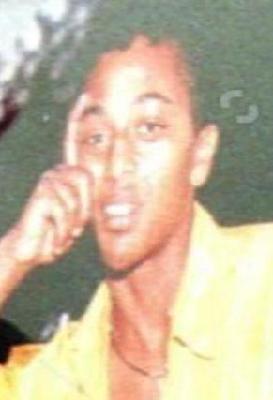
In the winter of 1974, a man named Raymond Haddigan was nearing the later years of his life in a city grappling with change and turmoil. Estimated to be between 55 and 60 years of age, he was a resident of Boston, a place he called home during a decade marked by social friction and notable crime. Little is publicly known about the man Raymond was—whether he had a family, what work he did, or what passions filled his days. His story, as it is remembered today, is not defined by the life he lived but by the brutal and unresolved manner of his death, which left a permanent question mark in the city's official records.
On Tuesday, January 15, 1974, officers from the Boston Police Department were dispatched to 135 Washington Street in the Dorchester neighborhood to conduct a death investigation. At the scene, they discovered Raymond Haddigan.
He was pronounced deceased right there, in a location that should have been a place of familiarity or transit, but instead became the final chapter of his life. The initial investigation soon passed to the Office of the Chief Medical Examiner, whose findings were unequivocal: Raymond Haddigan was the victim of a homicide. The cause of his death has not been publicly released, leaving the specific details of his final moments shrouded in mystery.
The investigation into his murder was launched immediately by the Boston Police Department Homicide Unit. In 1974, forensic science was a world away from the DNA testing and digital evidence that define modern police work. Detectives would have relied on traditional methods: canvassing the neighborhood for witnesses, interviewing acquaintances, and painstakingly searching the scene for physical clues like fingerprints or weapons. Washington Street, a major thoroughfare cutting through multiple Boston neighborhoods, would have presented a complex environment for an investigation, with countless people passing through daily.
Despite the efforts of detectives at the time, the case grew cold. Leads dried up, witnesses may have been reluctant or unable to come forward, and the trail of evidence faded with the passage of time. No suspects were ever publicly named, and the motive behind the killing remains unknown. Was it a robbery that turned violent, a personal dispute that escalated tragically, or a random act of brutality? Without more information, these questions are left for investigators and a community still seeking answers. Raymond Haddigan’s homicide was one of many that year in Boston, a statistic in a difficult era for the city, but a profound and permanent loss for anyone who may have known and loved him.
Decades have passed since Raymond Haddigan was killed, but his case has not been forgotten by law enforcement. It remains an open and active investigation within the Boston Police Department's Unsolved Homicide Unit. Cold case detectives periodically review old files, hoping that a fresh perspective, a newly uncovered connection, or a long-overdue tip might finally provide the breakthrough needed to solve the crime. The department continues to emphasize that the community is its greatest resource in resolving these lingering cases.
As of today, the murder of Raymond Haddigan remains unsolved. The Boston Police Department urges anyone with even the smallest piece of information, no matter how insignificant it may seem, to come forward. Memories from that time and place could hold the key to understanding what happened on that January day. Anyone with information is encouraged to contact the Boston Police Department Homicide Unit at (617) 343-4470 or to share a tip anonymously through the Crime Stoppers Tip Line at 1-800-494-TIPS. For the investigators and any family Raymond Haddigan may have left behind, the hope for justice endures.