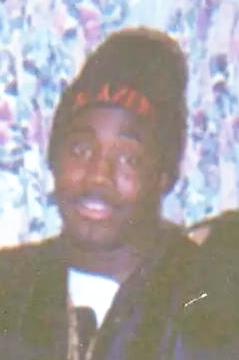
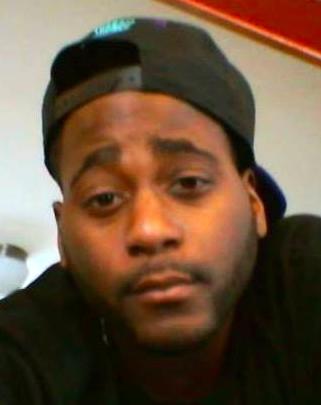
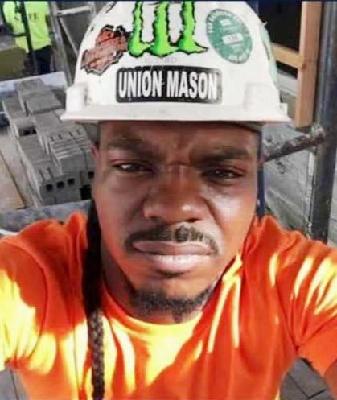
In the summer of 2002, a Black / African American man named Robert Perry, who was 26 years old, was shot and killed on a sidewalk next to his apartment complex in the Roxbury neighborhood of Boston, Massachusetts. The fatal shooting occurred on July 22, marking a tragic day that would haunt his family for years to come. In the wake of the violence, Boston police were able to identify a suspect in Robert's murder.
However, before an arrest could be made, the individual identified as the shooter was himself found shot to death. This turn of events meant that the person believed to be responsible for Robert's death would never face legal consequences, leaving the case unresolved and his family without the chance for justice.
The pain for the Perry family was tragically compounded four years later. On the exact anniversary of Robert's death, July 22, 2006, his 20-year-old sister, Analicia Perry, was also gunned down at nearly the same spot and time. She had gone to the makeshift shrine the family had created for her brother to light a candle in his memory, a ritual they had observed each year. As she knelt to light the candle, she was fatally shot. This second, eerily similar tragedy deepened the family's grief and left the community in shock.
Despite the shocking parallel nature of the two murders, police were unable to identify any suspects or a motive in Analicia's killing. The investigation into her death, like her brother's, failed to yield any arrests or convictions. The deaths of both Robert and Analicia Perry remain unsolved, a lingering source of unanswered questions and profound loss for their family and the city of Boston. The cases highlight the devastating impact of gun violence and the painful reality of cold cases that leave families searching for closure.