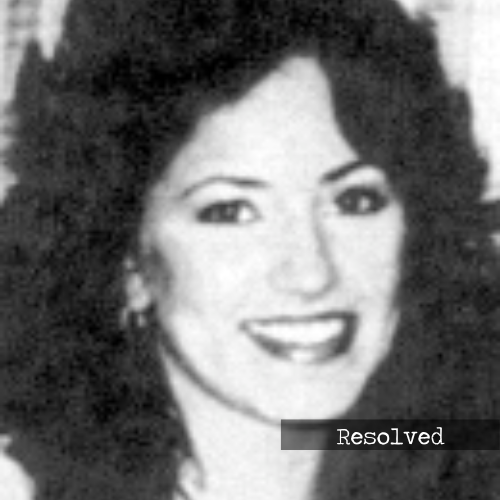
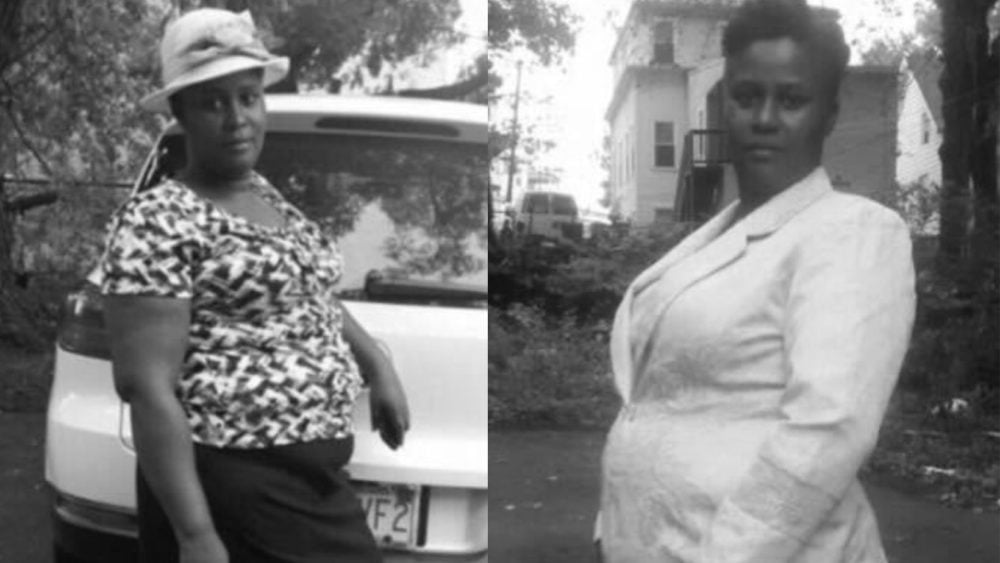
In the autumn of 1974, a shocking act of violence claimed three lives in a second-floor apartment in Boston’s Dorchester neighborhood, leaving a community stunned and a case that would remain unsolved for decades. The victims were 61-year-old Dorothy Boughman, a female, her likely son, 23-year-old Glen Boughman, and 68-year-old Elizabeth Hardiman. Public records about their lives, their connection to one another, and the days leading up to their deaths are scarce, leaving behind a painful silence for those who may have known and loved them. What is known is that their lives ended together, violently and without explanation, inside their home at 170 Bowdoin Street.
On Wednesday, October 2, 1974, the Boston Police Department received a call reporting that a person had been shot at the Bowdoin Street address. When officers arrived at Apartment 2, they discovered a grim scene. Dorothy, Glen, and Elizabeth had all been shot and were pronounced deceased.
The city’s Office of the Chief Medical Examiner would later officially rule all three deaths as homicides. The motive behind the brutal triple murder and the identity of the perpetrator or perpetrators were not immediately clear, plunging the case into a mystery that has endured for nearly half a century.
The investigation was launched by the Boston Police Department, but details of their early efforts are not publicly available. There has been no information released about potential suspects, persons of interest, or the specific evidence collected from the apartment. The weapon used in the killings was never recovered, and the case grew cold over time. The shared surname of Dorothy and Glen suggests a mother-son relationship, but Elizabeth Hardiman's connection to the Boughman family remains an unanswered question. Without a clear motive, such as robbery, investigators were left with few leads to follow.
The mid-1970s were a turbulent period in Boston's history, and Dorchester was a neighborhood in the midst of profound social and demographic shifts. The court-ordered desegregation of public schools had created an atmosphere of high tension and, at times, violence across the city. Many neighborhoods were experiencing significant change, with some long-term residents leaving for the suburbs and new communities beginning to form. This era of transition was also marked by a rise in crime in certain areas, creating a challenging environment for both residents and law enforcement. The triple homicide on Bowdoin Street was a particularly brutal crime, even for a city grappling with social unrest.
Decades have passed, but the murders of Dorothy Boughman, Glen Boughman, and Elizabeth Hardiman have never been forgotten by law enforcement. The case remains open and is actively listed on the Boston Police Department's official roster of unsolved homicides. Detectives from the department's Unsolved Homicide Unit periodically review cold cases, hoping that new technologies, such as advanced DNA testing, or a witness finally coming forward, might provide the breakthrough needed to solve the crime.
As of November 2026, there have been no arrests and no publicly named suspects in the case. The Boston Police Department continues to ask for the public's help, emphasizing that even the smallest piece of information could be the key to bringing justice to the three victims. Anyone with information regarding the murders is urged to contact the Boston Police Unsolved Homicide Unit or to provide an anonymous tip through the Crime Stoppers hotline. The passage of time has not diminished the hope that one day, the person responsible for this tragedy will be held accountable.