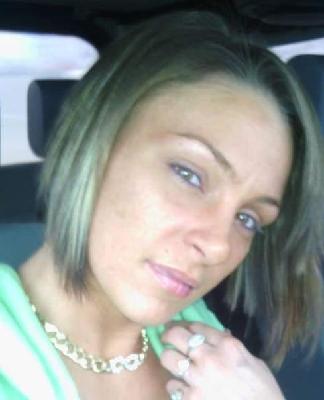
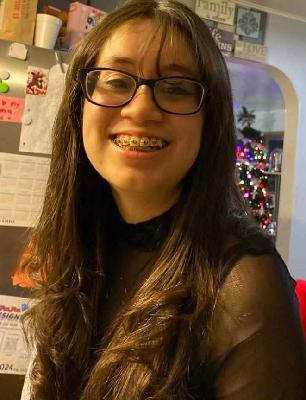
In the small town of Brazil, Indiana, Tonya Pickett was a 16-year-old girl looking toward her future. Her birthday was just before Christmas, on December 23, a date her father, Norval Pickett, would come to remember each year with a heavy heart. In the autumn of 1988, her life was intertwined with her family, including her 32-year-old stepfather, Ricky Mustard. They lived together in a home on West Pinckley Street, where the sense of small-town security would be irrevocably shattered.
On the night of November 16, 1988, an act of brutal violence ended two lives inside the family’s residence. Tonya, a female, and her stepfather Ricky were both shot in the head at close range. Their bodies were not discovered until the early morning hours of November 19. The shocking double homicide sent a wave of fear and grief through the community and left a family grappling with a devastating and sudden loss. Shane Mustard, Ricky’s son and Tonya’s stepbrother, was just 13 years old when his world was torn apart.
The initial investigation into the murders was handled by the Brazil Police Department, but as years passed with no arrests, the case went cold. Tonya’s father, Norval, would later state his belief that the local police had botched the original investigation. Decades later, the Indiana State Police took a fresh look at the case, which led to a significant breakthrough. In 2008, a grand jury indicted John Lovett, who had been Tonya’s boyfriend at the time of her death, on two counts of murder. For the family, it seemed that justice was finally within reach after twenty years of waiting.
The hope for a resolution was short-lived. The case against Lovett hinged on crucial evidence, including personal letters Tonya had written. According to her father, Tonya wrote about her fears of Lovett in those letters. However, before the case could go to trial, the defense argued that the letters were hearsay and should not be admissible as evidence. In a devastating blow to the prosecution and the family, the court agreed. After the Indiana Court of Appeals upheld the ruling in 2011, the charges against Lovett were dismissed in 2012, and he was released.
For the families of Tonya Pickett and Ricky Mustard, the legal setback was agonizing. Norval Pickett felt the appeals court had “dropped the ball,” believing a jury should have been allowed to decide the significance of his daughter’s letters. For Shane Mustard, the trauma of losing his father and stepsister was compounded by growing up in a small town where rumors swirled and resolution remained elusive. He has made it his yearly mission to ensure the case is never forgotten, contacting law enforcement and media outlets every November to renew the push for answers.
As of September 2026, nearly four decades after the murders, the case officially remains open and unsolved. Shane Mustard has expressed hope that a dedicated cold case team based in Indianapolis might review the investigation, bringing fresh resources and a focused effort to the long-stalled inquiry. He continues to plead for anyone with information, no matter how insignificant it may seem, to come forward. “If you know something, if you’ve heard something, please don’t be afraid to reach out and speak to somebody about it,” he urged, seeking not closure, but “an ending to this” for his family. The Indiana State Police continues to hold the case file, waiting for the one tip that could finally bring justice for Tonya Pickett and Ricky Mustard.