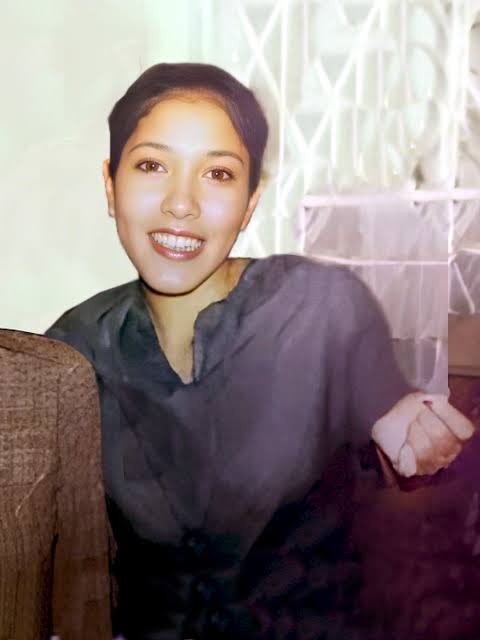
Just two days before Christmas in 1969, 18-year-old Cheryl McCarthy was looking forward to meeting a friend. A college freshman with her life ahead of her, she was a young woman with red hair, remembered for her sense of style, often wearing a fashionable wide-brimmed hat. Her plans for the evening of Tuesday, December 23, were simple: travel from her residence at 131-11 Kew Gardens Road to meet a female friend at 8:00 PM at a subway station in Queens, New York. Cheryl never made it to that meeting, her life cut short in a brutal attack that has remained a mystery for over half a century.
That night, Cheryl’s journey ended in a desolate, closed-off section of the BMT elevated train station at 132nd Street and Jamaica Avenue. The area was shuttered to the public after 7:30 PM, a dark and forgotten space that became a scene of violence. Her body was discovered there, lying face down on the cold ground. She had been viciously beaten in the face and strangled with a ligature.
The state of her clothing suggested a sexual assault had been attempted; her plaid beige-and-brown pants were partially pulled down. She was still wearing her green coat and one brown shoe, with the other lying nearby. The wide-brimmed hat she was known for was also found at the scene.
The New York City Police Department immediately launched a homicide investigation into the murder of the young female student. The evidence at the station painted a grim picture of Cheryl’s final moments, indicating a violent struggle far from the public eye. Detectives canvassed the area and sought witnesses, but the secluded location of the attack yielded few leads. The crime occurred in an era before widespread video surveillance, and forensic science was still in its early stages compared to modern capabilities. The case was one of several violent crimes against women in Queens during that period, leaving the community on edge.
Over the decades, Cheryl McCarthy's murder has become a cold case, a file that remains open but without a definitive suspect or arrest. The case is listed in various NYPD and regional cold case archives, a persistent reminder of a life taken too soon. Investigators have periodically revisited the evidence, hoping that new technologies or a fresh perspective might uncover a missed clue. The file is sometimes reviewed alongside other unsolved homicides from the same time and area, looking for potential patterns or links to known offenders who were active in Queens during the late 1960s and early 1970s.
Despite the passage of more than 50 years, the quest for justice for Cheryl has not been forgotten. Her case is a haunting example of the many unsolved murders from that era, a time when the city was grappling with rising crime rates. For her family and friends, the holiday season is forever marked by the tragedy of her loss. The details of her life—her studies, her friendships, her simple plan to meet a friend—stand in stark contrast to the violence that ended her future.
As of today, Cheryl McCarthy's murder remains an active, albeit cold, investigation with the NYPD. There has been no publicly named person of interest, and no arrests have ever been made. The hope for a resolution rests on the possibility that someone, somewhere, holds a piece of information that could finally break the silence. Police continue to ask anyone with knowledge of the crime, no matter how insignificant it may seem, to come forward.