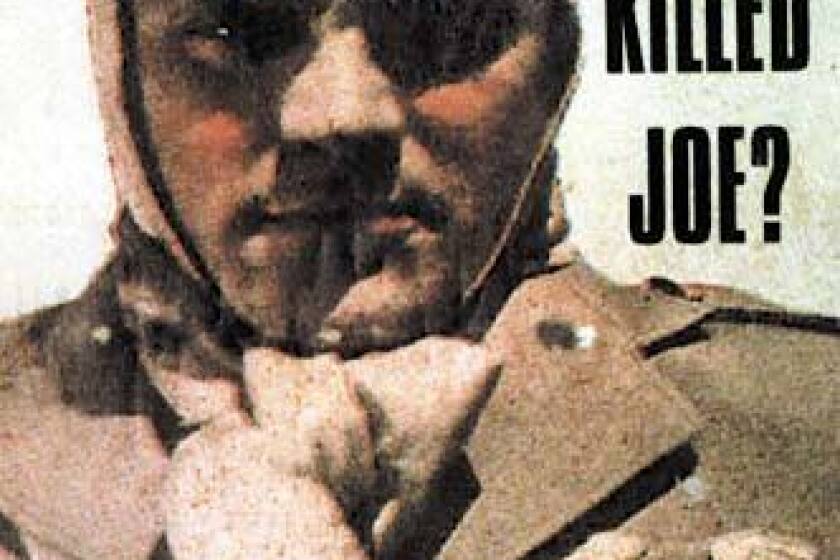
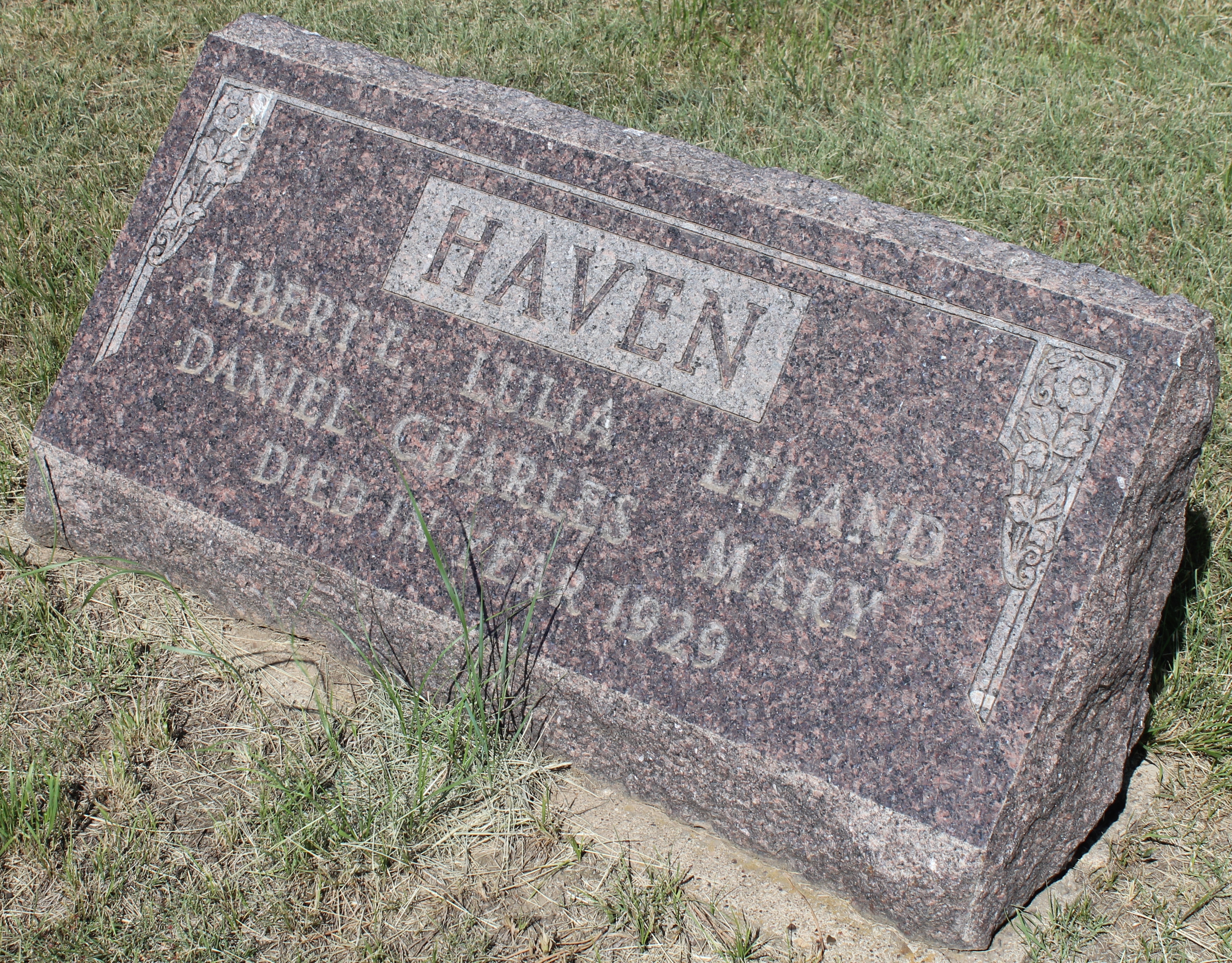
In the winter of 1930, suspicions began to fester in the quiet farming community of Schafer, North Dakota. The Haven family, who had worked their land just north of town for over a decade, had vanished. Albert Haven, his wife Lulia, and their four young children, the youngest only two months old, had not been seen since February 9. The only person left on the farm was their 22-year-old hired hand, Charles Bannon. For months, Bannon tended the livestock and managed the property, sometimes with the help of his father, James. He told inquiring neighbors that the Havens had abruptly moved away and that he was now renting the farm from them.
The story began to unravel in the fall. When Charles Bannon started selling the family's crops and personal property, concerned locals alerted the authorities. Bannon was arrested in December on charges of grand larceny. During the investigation, a horrific discovery was made. The bodies of the entire Haven family were found buried on the farmstead. Soon after, Bannon confessed to the murders. His story changed slightly across different confessions, but he maintained that he had accidentally killed one of the children and then, overcome with fear, murdered the rest of the family. He insisted his father, who had since been located in Oregon and extradited back to North Dakota as a suspected accomplice, was innocent of the killings.
Bannon, a male, was initially held in a more secure jail in Williston but was moved back to the small, makeshift jail in Schafer on January 23, 1931, for his arraignment on six counts of murder. Also held in the jail were his father, James, a deputy, and another man jailed for theft. In the frigid early hours of January 29, 1931, justice was brutally wrested from the hands of the law. A well-organized mob of more than 75 men in over a dozen cars descended on the Schafer jail. They captured the sheriff, broke down the jailhouse doors, and seized Charles Bannon. As he was dragged out with a noose already around his neck, Bannon reportedly pleaded with the mob not to harm his father.
The vigilantes first took Bannon to the Haven farm, but the new caretaker threatened to shoot them if they didn't leave. The mob then proceeded to the new Cherry Creek bridge, a high steel structure just half a mile from the jail. There, under the cover of darkness, they pushed Charles Bannon over the side and hanged him. Authorities later noted the hangman's knot was tied with an expert's skill. This act of mob violence is recognized as the last lynching in North Dakota's history.
In the aftermath, Governor George F. Shafer ordered a full investigation, led by Attorney General James Morris. Morris observed that the lynching had been carefully planned and executed by a disciplined group with clear leaders. He examined the rope, noting a possible manufacturer's mark, but the investigation quickly stalled. Despite the large number of participants, a wall of silence met the investigators. Within a week, Morris concluded that the identities of the mob members would likely never be known. No one was ever arrested or prosecuted for the murder of Charles Bannon.
While Charles Bannon was denied his day in court, his father, James Bannon, was tried for his alleged role as an accomplice in the Haven family murders. He was convicted and sentenced to life in prison, entering the North Dakota State Penitentiary on June 29, 1931. He maintained his innocence throughout his imprisonment and was eventually paroled in 1950 at the age of seventy-six. The story of the Haven family murders and the subsequent lynching has been passed down through generations and was the subject of a book and a film adaptation planned for release in 2022. As of May 2022, historical records confirm the lynching of Charles Bannon remains an officially unsolved homicide, a dark final chapter in a tragic story.