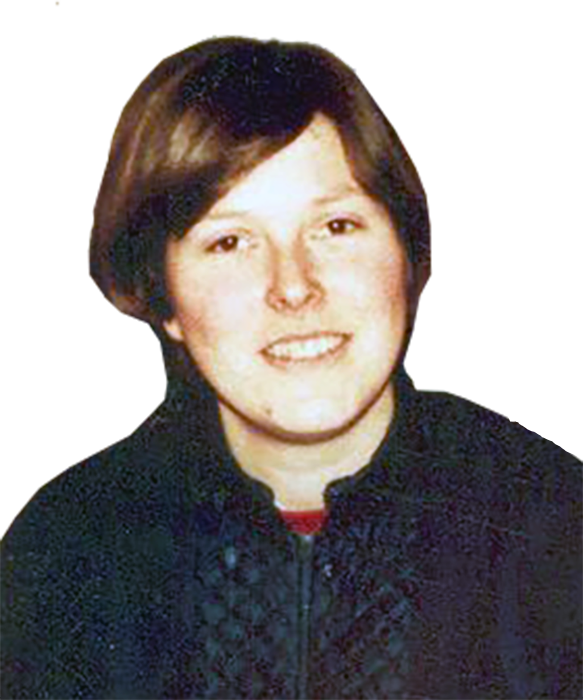
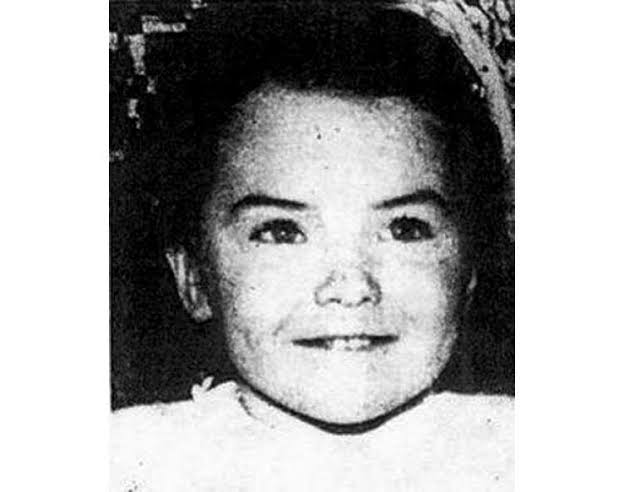
On June 30, 1980, the life of Laura Woodcock, a baby girl just 18 days old, ended tragically and mysteriously at the renowned Hospital for Sick Children in Toronto, Ontario. Her death was the first in a horrifying series that would grip the city and expose a crisis within one of its most trusted institutions. Over the next nine months, an unprecedented number of infants would die under suspicious circumstances on the hospital's cardiac wards, 4A and 4B, sparking fear and a search for answers
that remains unresolved to this day.
In the months following Laura’s death, the mortality rate on the cardiac wards surged by an astonishing 625 percent. More than twenty babies, many of whom were expected to recover from heart conditions or surgery, died suddenly and unexpectedly from heart failure. Concerned nurses on the unit began to notice a disturbing pattern, whispering about a "jinx team" of staff whose shifts seemed to coincide with the tragedies. The hospital conducted a quiet internal investigation in the fall of 1980 but concluded the deaths were from natural causes, an attempt to avoid damaging staff morale.
The crisis reached a breaking point in March 1981. The father of 24-day-old Kevin Pacsai, who died unexpectedly, angrily demanded answers from a senior cardiologist. This emotional confrontation prompted the hospital to finally call the Metro Toronto coroner, Dr. Paul Tepperman. An autopsy on another infant, Justin Cook, who died on March 22, 1981, revealed lethal levels of the heart medication digoxin, a drug he had never been prescribed. Investigators soon discovered that other recently deceased babies also had massive, unexplained amounts of digoxin in their systems.
The discovery of poison triggered a full-scale police investigation. Detectives descended on the cardiac wards, searching lockers and scrutinizing staff schedules. The investigation focused on the nursing staff, and in March 1981, a 25-year-old nurse named Susan Nelles was arrested and charged with the murders of four of the infants. The shocking arrest of a caregiver made headlines across the country. However, the charges against Nelles were dismissed at a preliminary hearing in 1982 for lack of evidence.
In 1983, the Ontario government launched a formal public inquiry, the Grange Commission, to investigate the deaths. Over 18 months, the televised inquiry heard from dozens of witnesses and examined thousands of pages of records. The commission’s final report in 1984 was damning. It concluded that at least eight of the deaths, including Laura Woodcock's, were homicides caused by deliberate digoxin poisoning, and deemed another 13 to be highly suspicious. The report criticized the hospital for its lax drug security and failure to properly investigate the spike in deaths.
Despite the commission's findings, no one was ever held criminally responsible for the death of Laura Woodcock or the other infants. The investigation revealed that another nurse, the ward's team leader Phyllis Trayner, was the only person who had been on duty for all 29 of the deaths reviewed by the U.S. Centers for Disease Control and Prevention. Trayner, who denied any wrongdoing and later appeared to be the target of strange incidents herself, was questioned but never charged. The case of the Toronto hospital baby deaths remains one of Canada's most disturbing unsolved medical mysteries, leaving a legacy of unanswered questions and profound grief for the families of the young victims.