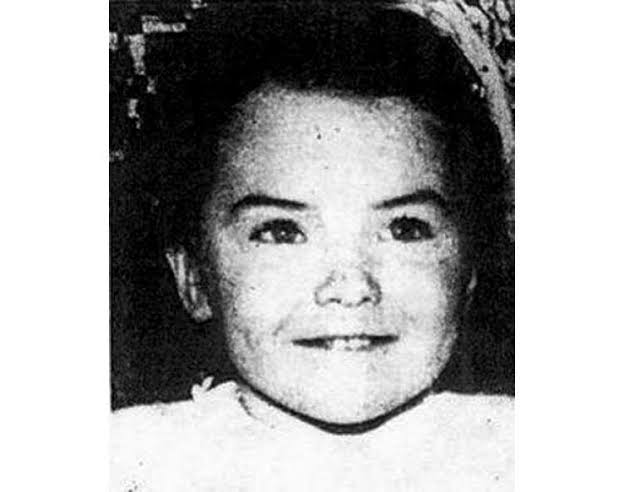
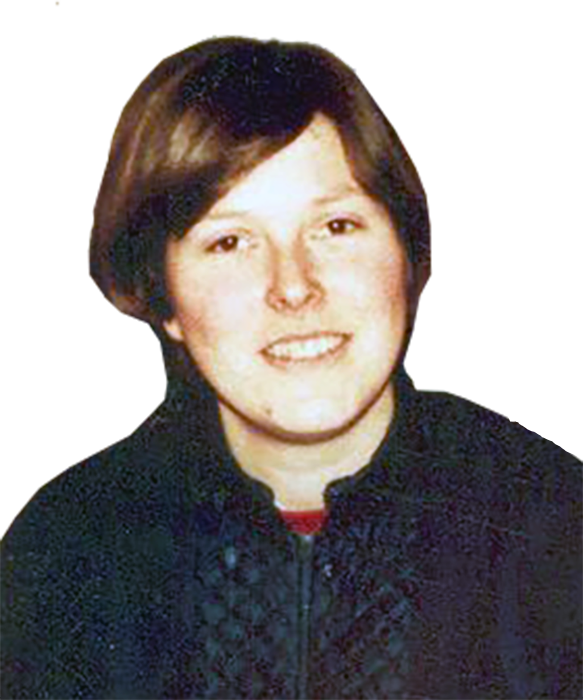
In the winter of 1980, a quiet and devastating tragedy unfolded within the cardiac ward of Toronto’s renowned Hospital for Sick Children, a place widely regarded as a sanctuary for the most vulnerable. Among the tiny patients fighting for their lives was Stephanie Lombardo, a newborn female infant. Just ten days old, she was recovering from a delicate heart surgery.
Her family was hoping to bring her home for Christmas, but six days after her operation, just before the holiday, Stephanie died unexpectedly on December 1, 1980. Her sudden death was a profound loss, but it would soon become part of a much larger and more sinister mystery.
Stephanie's death was not an isolated event. Between June 1980 and March 1981, the hospital experienced a shocking and inexplicable spike in infant mortality on its cardiac wards, with the death rate soaring by over 600%. An alarming number of babies, many of whom were recovering well from surgery, were suddenly collapsing and dying. The deaths often occurred during the night shift, leading some staff members to nickname one particular nursing team "the jinx team." Initially, hospital administrators were hesitant to suspect foul play, attributing the cluster of deaths to the children's fragile health conditions.
The pattern became too pronounced to ignore after the death of three-month-old Justin Cook in March 1981. An autopsy demanded by his father revealed a lethal overdose of the heart medication digoxin. This discovery finally triggered a full-scale police investigation into the string of deaths that had been plaguing the ward for nine months. As investigators delved into the medical records, they identified numerous "carbon copy" deaths where digoxin poisoning was suspected. Stephanie Lombardo's case was one of them.
Because Stephanie's parents had initially declined an autopsy, investigators sought and received their permission to have her tiny body exhumed in February 1982. The subsequent tests revealed devastating proof: her tissues contained extremely high levels of digoxin. The finding was particularly damning because Stephanie had never been prescribed the powerful drug. This evidence shifted her death from a tragic medical event to a suspected homicide, and she became a central figure in one of Canada's most disturbing serial murder investigations.
The investigation led to the arrest of nurse Susan Nelles, who was charged with the murders of four other babies. However, the case against her crumbled during a preliminary hearing. A key piece of exonerating evidence related directly to Stephanie's death. Records proved that Nelles had been on vacation for several days leading up to and including the day Stephanie died, making it impossible for her to have administered the fatal dose. Nelles was discharged, and no one else was ever charged in connection with the deaths.
In 1983, the Ontario government launched a formal public inquiry, the Grange Commission, to investigate the circumstances surrounding the deaths. After months of testimony and reviewing evidence, Justice Samuel Grange concluded in his 1984 report that at least eight of the deaths, including Stephanie Lombardo's, were homicides caused by deliberate digoxin overdoses. The report heavily criticized the hospital for its lax drug-control protocols and its failure to act sooner on the spike in deaths. While the commission pointed to the strong likelihood of a nurse being responsible, it did not name a specific individual, leaving the identity of the killer or killers officially unknown.
Decades have passed since Stephanie Lombardo's short life was taken. The Toronto hospital baby deaths remain a dark chapter in the city's history, a case that is legally unresolved despite the damning conclusions of a public inquiry. For the families of the victims, there has been no closure and no final justice. Stephanie's case, like the others, is a haunting reminder of a time when a place of healing became a place of unimaginable harm, leaving a legacy of unanswered questions and indelible grief.