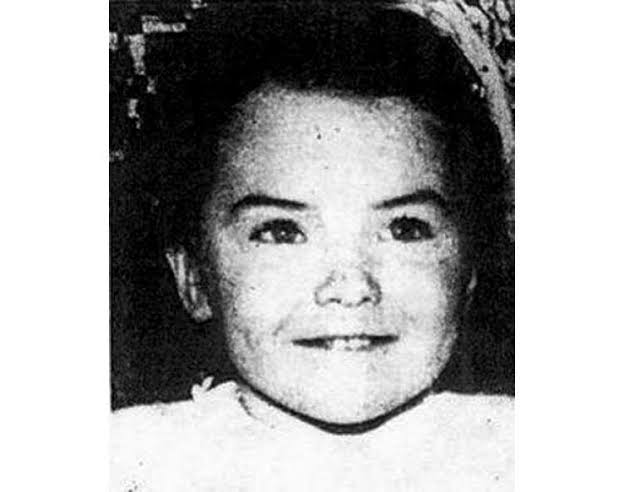
In the heart of Toronto, a city known for its world-class medical facilities, a tragedy unfolded between 1980 and 1981 that shook public confidence and left a trail of unanswered questions. Within the cardiac wards of the renowned Hospital for Sick Children, an alarming number of infants began to die unexpectedly. Among them was Allana Miller, a bright-eyed 11-month-old female.
Allana was a patient in the cardiac unit, grappling with a complicated series of heart defects and other health issues. Despite her serious condition, what happened on March 21, 1981, was something no one was prepared for.
That night, Allana went into cardiac arrest and could not be resuscitated. Her sudden death was a devastating blow, but it soon became part of a deeply disturbing pattern. For months, the hospital had been experiencing a spike in infant mortality, with the death rate in the cardiac wards soaring to 625 percent above normal. Nurses on the unit had whispered about a "jinx team," as many of the deaths occurred during the shifts of a particular group of staff. The hospital had quietly begun an internal review, but the deaths continued.
The turning point came not with Allana's death, but with the one that followed just a day later. On March 22, 1981, three-month-old Justin Cook died in the same room Allana had occupied. An autopsy on Justin revealed a lethal amount of the heart medication digoxin in his system, a drug that had never been prescribed for him. This discovery triggered immediate alarm and prompted investigators to look back at other recent deaths. When Allana's post-mortem tests came back, they showed a massively elevated level of digoxin, a reading described as "off the charts."
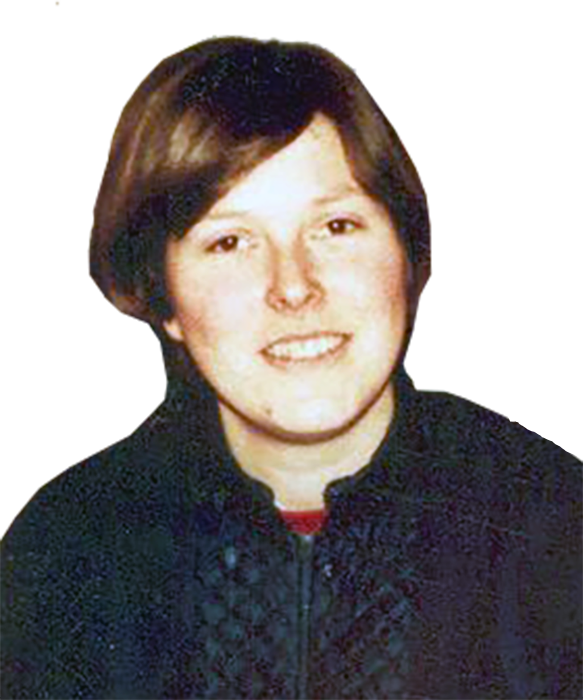
The findings launched one of the most complex and sensational criminal investigations in Canadian history. Police descended on the hospital, searching lockers and scrutinizing nursing schedules. The investigation focused on the powerful and readily accessible digoxin, which was not kept under lock and key at the time. Suspicion eventually fell upon Susan Nelles, a 24-year-old nurse who had been on duty during many of the deaths, including Allana's and Justin's. In March 1981, Nelles was arrested and charged with four counts of first-degree murder, including the death of Allana Miller.
The case against Nelles, however, began to crumble. A preliminary inquiry revealed inconsistencies in the evidence, and Nelles had a strong alibi for at least one of the deaths she was accused of committing. In May 1982, all charges against her were dropped, leaving the question of who was responsible unanswered. The disturbing events led the Ontario government to call a public commission of inquiry, headed by Justice Samuel Grange. The Grange Commission undertook an exhaustive review of 36 of the suspicious deaths that occurred between June 1980 and March 1981.
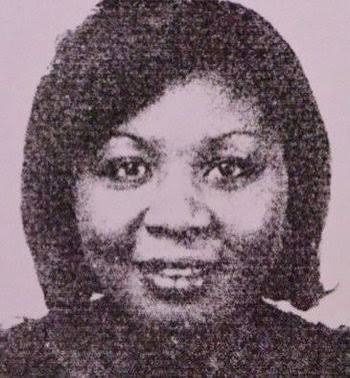
After months of harrowing testimony from nurses, doctors, and grieving parents like Allana's mother, Barbara, the commission released its report. Justice Grange concluded that at least eight of the deaths, including Allana Miller's, were homicides caused by deliberate digoxin overdoses. The report was critical of the hospital's procedures and the police investigation. It also noted that another nurse had been on duty for all 29 of the cases examined by the U.S. Centers for Disease Control and Prevention, though no further charges were ever laid.
Decades later, the deaths at the Toronto Hospital for Sick Children remain one of Canada's most haunting unsolved medical mysteries. For the families of the victims, the pain and uncertainty have never faded. Allana Miller’s life was cut tragically short, a casualty of a series of events that turned a place of healing into a place of profound sorrow. Her death, and those of the other infants, left a legacy of questions about accountability and trust that linger to this day. The case remains officially unsolved, a cold file holding the stories of the children whose lives ended almost before they had a chance to begin.