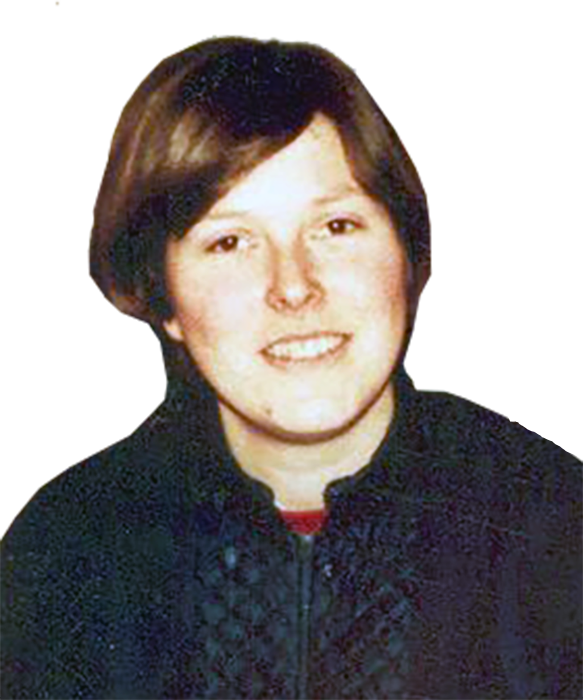
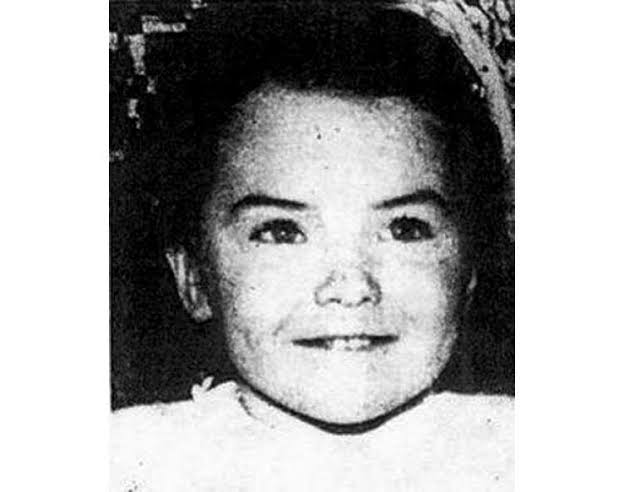
Gracelyn Greenidge was a woman defined by her compassionate nature and a dream of caring for others. Having moved to Toronto, Ontario, from her native Barbados, the 41-year-old was working as a dedicated nursing assistant at a seniors' home on Christie Street, with aspirations of one day becoming a registered nurse. Her colleagues remembered her as a person who embodied joy and kindness.
She was described as "caring and compassionate," a woman who was "always smiling, always very joyous and always very helpful." She led what one colleague called "an exemplary life" and was deeply respected by everyone who had the pleasure of knowing her.
The warmth Gracelyn brought to the world was cruelly extinguished in the summer of 1997. She was last seen leaving her workplace around 11:30 p.m. on the evening of Monday, July 28. When she failed to arrive for her shift the following day, a concerned co-worker went to check on her at her fifth-floor apartment at 50 Driftwood Avenue. Peering through the mail slot or peephole, the co-worker made a horrifying discovery: Gracelyn was lying motionless on the floor. Police were called to the scene at about 6:30 p.m. on July 29, 1997.
Inside the apartment, investigators found Gracelyn Greenidge deceased. The scene told the story of a terrifying final few moments. There had been a violent struggle, leaving the apartment in disarray with blood found in multiple locations. The official cause of death was determined to be from fatal stab wounds. Investigators collected crucial evidence from the scene, including the DNA of an unknown male they believed belonged to the killer. This profile was checked against the national DNA databank, but for years, it yielded no matches, and the identity of the man who took Gracelyn’s life remained a mystery.
For two decades, Gracelyn’s case grew cold. The Toronto Police Service made public appeals, at one point offering a $50,000 reward for information that could lead to an arrest, but the key to solving the murder lay hidden within the killer's genetic code. A major breakthrough came in 2017 when forensic analysis revealed that the DNA from Gracelyn’s apartment matched the DNA found at the scenes of two other unsolved Toronto-area homicides: the 1982 killing of 25-year-old Christine Prince and the 1983 murder of 23-year-old Claire Samson. Investigators now knew they were hunting for a serial killer, a man who had evaded justice for over 30 years.
The final answer came through the advancing science of forensic genetic genealogy. In 2022, investigators submitted the degraded DNA evidence to a specialized lab. By building a comprehensive DNA profile and tracing it through public genealogy databases, investigators were able to construct a family tree that ultimately led them to one man: Kenneth Smith. Smith had lived and worked in the Toronto area during the time of all three murders and had a known police history of sexual assault, yet he had never been a suspect in the killings.
By the time police conclusively identified him as the killer on December 3, 2025, Kenneth Smith could not be held accountable in a court of law. He had died in 2019 in Windsor, Ontario, at the age of 72. If he were alive, he would have faced three counts of murder. While his death means he will never face trial, the identification brought long-awaited, if bittersweet, answers to the families who had lived with uncertainty for decades. Toronto Police Deputy Chief Robert Johnson acknowledged the impact, stating, "While we are pleased to provide answers at last, nothing can erase the grief felt by the families and loved ones." Police believe it is possible that Smith had other victims and have encouraged anyone with information about him to come forward.