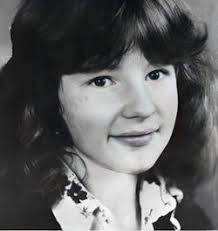
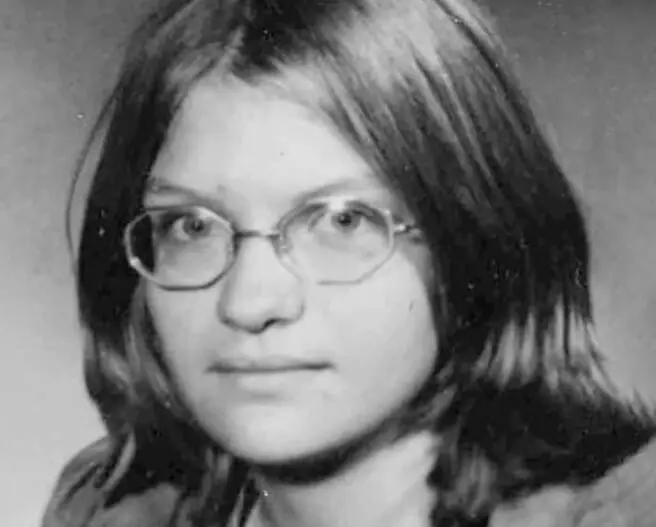
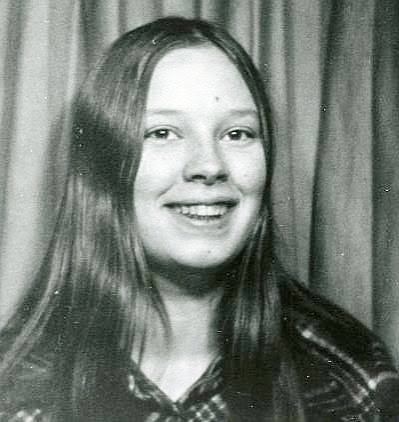
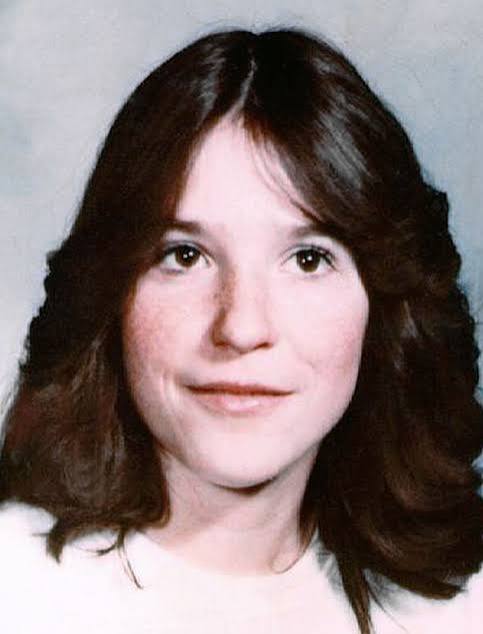
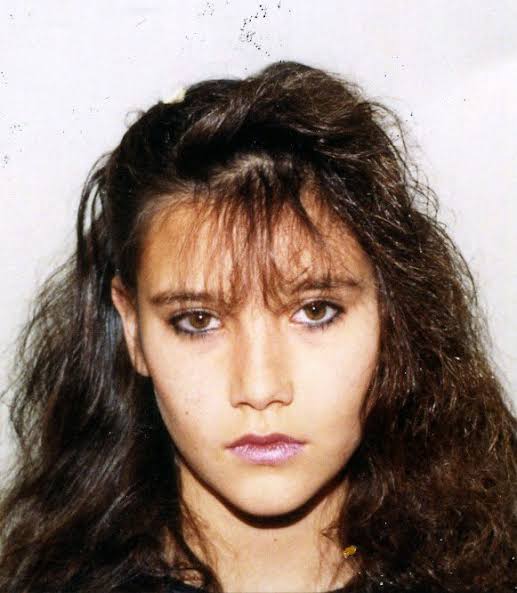
Lana Patricia Derrick, a 19-year-old Gitanyow First Nation woman, was a bright and determined student with a love for the outdoors. Friends and family knew her as a bit of a prankster who made friends easily. In the fall of 1995, she was enthusiastically pursuing a forestry program at Northwest Community College in Houston, British Columbia, a field that perfectly suited her interest in logging and working outside.
Her aunt, Sally Gibson, recalled that Lana was "really gung ho about going to college" and was doing well in her classes. Though the campus was a three-hour drive from her family's home in Terrace, Lana often returned on weekends to visit.
On the Canadian Thanksgiving weekend in October 1995, Lana traveled home. She arrived at her parents' house on Friday, October 6, dropped off her backpack, and went into town to meet friends, as her parents, Marge and Darvin Haugan, were working. The evening was spent with friends at local spots, including Gigi's Pub and a Tim Horton's. Later, she met her stepsister, Clarice Dessert, who had some money for her from her father. They agreed Lana would pick it up from Clarice's apartment later that night.
The last confirmed sighting of Lana by her family was around 3:00 a.m. on Saturday, October 7, when she knocked on Clarice's door. She collected the $30, and though she seemed a bit intoxicated, she was in a good mood. Lana invited her half-asleep cousin to a party, but Clarice declined, and Lana left the apartment alone around 3:30 a.m. Clarice didn't see a car or anyone else with her. When Lana’s parents returned home, they saw her bag and assumed she was staying with friends. But by Tuesday, October 10, when she failed to show up for her college classes, they knew something was terribly wrong.
Lana's parents reported her missing, but felt their concerns were initially dismissed by the Royal Canadian Mounted Police (RCMP), who suggested she was likely just out partying. A formal police search did not begin for nearly a week, a delay that deeply frustrated her family and community, who had already begun their own desperate searches along the highways. A month after she vanished, a witness came forward stating they had seen Lana at a Petro-Canada gas station in Thornhill, just across the river from Terrace, around 3:30 a.m. that same morning. The witness, who later recalled details under hypnosis, said Lana got into an older model blue car with two unidentified men. The car was reportedly seen driving toward the Northern Motor Inn. By the time this lead emerged, any security footage from the gas station had been taped over.
In early 1996, police released composite sketches of the two men, but the lead generated no answers. Investigators also looked into a former boyfriend of Clarice's, who Lana had recently been seeing. The man, who had a history of violence, died by suicide the night after Lana disappeared, but police could find no definitive link between his death and her case. Lana’s family has expressed doubts about the gas station sighting, believing the last place she was seen alive was at her cousin's apartment. Her aunt voiced the family’s belief that Lana, who was strong and "tough," would have fought back against an attacker, suggesting more than one person was likely involved in her disappearance.
Lana Patricia Derrick has never been found, and her case is officially classified as an endangered missing person with foul play suspected. Her disappearance is one of the many unsolved cases of missing and murdered Indigenous women along the stretch of Highway 16 known as the Highway of Tears. Her case is being investigated by Project E-PANA, an RCMP task force established in 2005 to review these connected tragedies. For decades, Lana’s family has organized marches and spoken to the media, tirelessly working to keep her memory alive and push for answers in a case that has grown cold but is not forgotten.