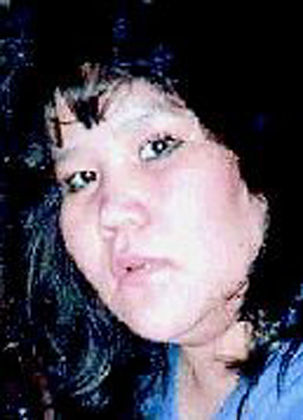
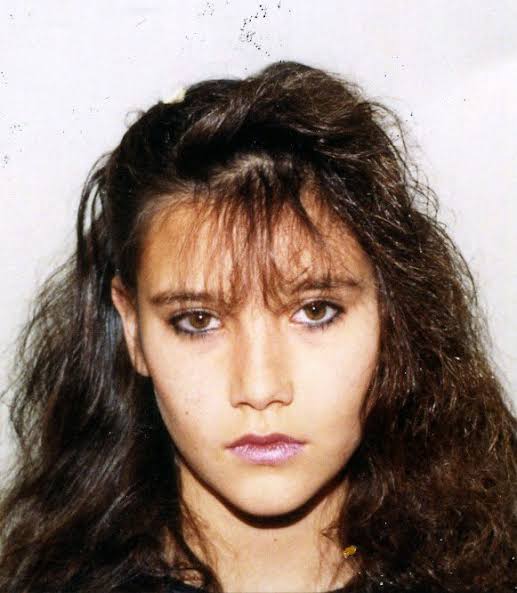
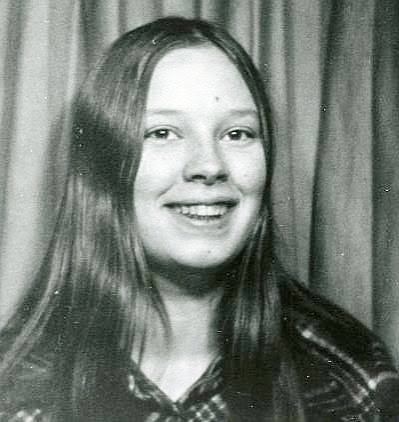
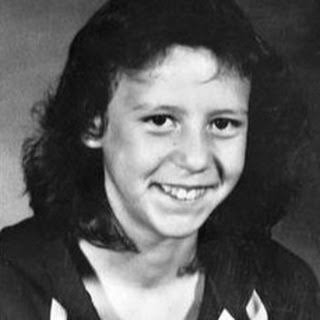
In the summer of 1981, a bright and adventurous young woman named Sigrun Charlotte Elisabeth Arnd traveled from her home in Germany to experience the vast beauty of Canada. At 18 years old, she was a student from Weinheim, a small town in the Rhine Valley, and her diary from the trip overflowed with enthusiasm for the new country she was exploring.
She wrote about boat trips and horseback rides, but most of all, she was captivated by the friendliness and open-hearted nature of the Canadian people she met. Tragically, this openness would be cruelly exploited, leading to a devastating end for a life just beginning.
On July 25, 1981, Sigrun’s journey of discovery came to a horrific end near the resort town of Whistler, British Columbia. She was a tourist in a foreign land, and her disappearance initially went unnoticed by authorities. It was a terrifying time in the region, as a string of children and young adults had been vanishing with alarming frequency, spreading fear throughout the Lower Mainland. Sigrun had become the tenth of eleven victims of one of Canada's most infamous serial killers, Clifford Robert Olson Jr., a man later dubbed "The Beast of British Columbia."
The terrible truth of what happened to Sigrun only came to light after Olson's arrest on August 12, 1981, for attempting to abduct two other young women. Already a suspect in the disappearance of another victim, Olson began a series of chilling negotiations with law enforcement. In a move that would spark outrage across the nation, he agreed to confess to his murders and lead investigators to the hidden graves of his victims in exchange for money. For each body he revealed, the Royal Canadian Mounted Police would pay $10,000 into a trust fund for his wife and infant son.
Through this macabre "cash-for-bodies" deal, Olson led police to the remote locations where he had left his victims. He confessed to killing Sigrun on July 25, the same day another of his victims, 14-year-old Judy Kozma, was found. He had raped Sigrun and bludgeoned her to death with a hammer. Her remains were in such a state that dental records were required for a positive identification. Two days after murdering her, Olson was brazen enough to cash her traveler's checks at a bank.
The news was delivered to Sigrun's parents by a long-distance phone call, a translated message from the police that confirmed their worst fears. Her mother, Irmgard Arnd, later shared her shock and disbelief. "She was an intelligent, suspicious girl," she told a reporter. "We discussed frequently how she would never get into a stranger's car, not to mention that she would never hitchhike. But obviously in Canada she did." The diary that had been filled with such joy became a heartbreaking testament to her final, happy days.
In January 1982, Clifford Olson pleaded guilty to 11 counts of first-degree murder, including the murder of Sigrun Arnd. The plea aborted a full trial, preventing many details of the police investigation from becoming public. He was sentenced to 11 concurrent life sentences, with no possibility of parole for 25 years. The judge recommended he should never be released.
Olson remained a taunting and malevolent figure from behind bars, applying for parole and writing to victims' families, until his death from cancer in prison on September 30, 2011. For the Arnd family in Germany, and the families of the ten other young victims, his death brought a quiet end to a decades-long chapter of pain inflicted by a man who preyed on the innocent, forever changing the lives of those who lost a beloved child, like the young German tourist who had come to Canada with a heart full of hope.