In the vast, lonely expanse of northern British Columbia, a stretch of Highway 16 has earned a somber name: the Highway of Tears. For decades, it has been the backdrop for the disappearances and murders of many, a disproportionate number of whom are Indigenous women. One of the earliest of these tragedies to be officially linked to a serial killer was the death of Jean Mary Kovacs, a 36-year-old First Nations woman whose life was stolen in the autumn of 1981.
On the night of October 10,
1981, Jean was in Prince George. After spending some hours at a local bar from which she was eventually evicted, she returned home before deciding to travel east. Around 1:30 a.m., she took a taxi to the intersection of the Old Cariboo Highway and Highway 16. She told the driver she intended to hitchhike, perhaps to Jasper or Edmonton. It was the last time she was seen alive. Her journey ended before it truly began, on the edge of that dark, unforgiving highway.
The following day, a man gathering firewood near Purden Lake, about 40 kilometers east of the city, made a horrifying discovery. In a watery ditch beside a logging road, he found Jean's body. She had been shot four times with a.22-caliber firearm and her body had been brutally mutilated. The discovery launched a massive investigation by the Royal Canadian Mounted Police. In the months that followed, thousands of people were questioned and hundreds were considered suspects, but the trail went cold, leaving a cloud of fear over the region.
For more than four years, Jean’s murder remained unsolved, one of a growing number of violent crimes against women that haunted the communities along Highway 16. The break in the case came from an unexpected source. In late 1985, the former girlfriend of a man named Edward Dennis Isaac moved away from Prince George. Feeling safe from his threats, she went to the police and shared a terrible secret she had been forced to keep. Her testimony implicated Isaac in another murder, and on February 7, 1986, he was arrested.
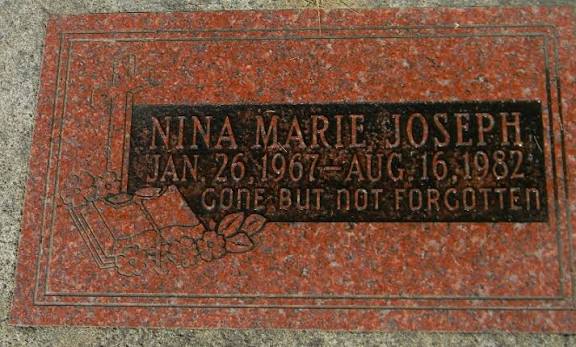
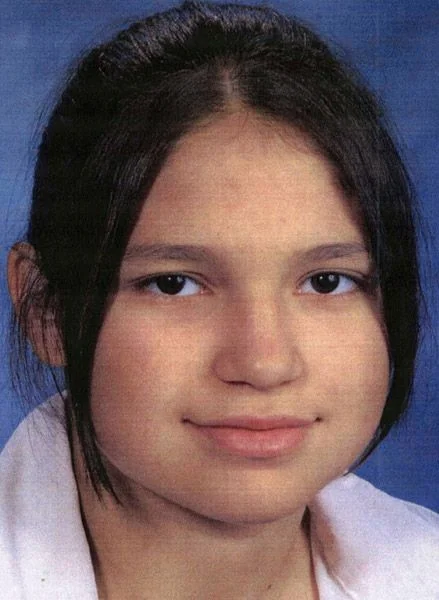
Under questioning, the full horror of Isaac's actions began to unravel. He confessed not only to the murder his ex-girlfriend knew about but to two others as well. He admitted to killing 15-year-old Nina Marie Joseph in 1982 and 13-year-old Roswitha Fuchsbichler just a month after he had murdered Jean. Finally, he confessed to killing Jean Mary Kovacs. He told investigators that he and his brother, Jim, had picked her up, assaulted her, and then killed her. His brother could not be charged, as he had been murdered himself years earlier.
Edward Dennis Isaac was one of three serial killers eventually convicted of crimes along the Highway of Tears, alongside Brian Peter Arp and Cody Legebokoff. His confession brought a resolution to the investigations but offered little comfort for the profound loss his actions had caused. For the murder of Jean Mary Kovacs, he pleaded guilty to second-degree murder. For the deaths of the two teenage girls, he was convicted on two counts of manslaughter. He was given three concurrent life sentences with the possibility of parole after 15 years.
Jean Mary Kovacs is remembered not just as a statistic in a serial killer's gruesome tally, but as one of the many women whose lives have been tragically cut short along a highway that has become a symbol of a national crisis. Her death, and the subsequent capture of her killer, exposed a pattern of predatory violence that had long been feared by those who lived in the remote and beautiful wilderness of northern British Columbia.