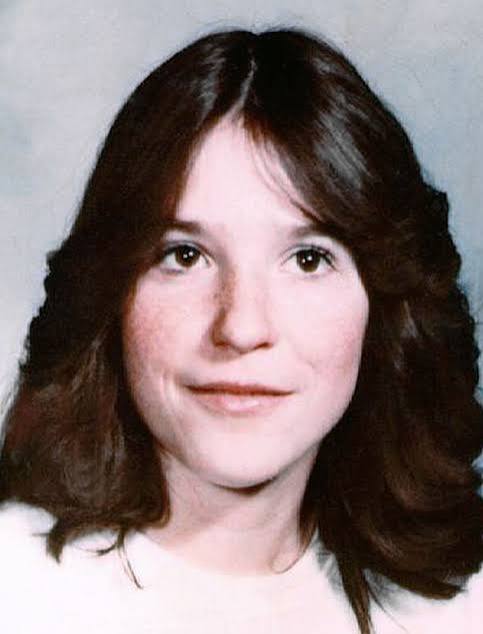
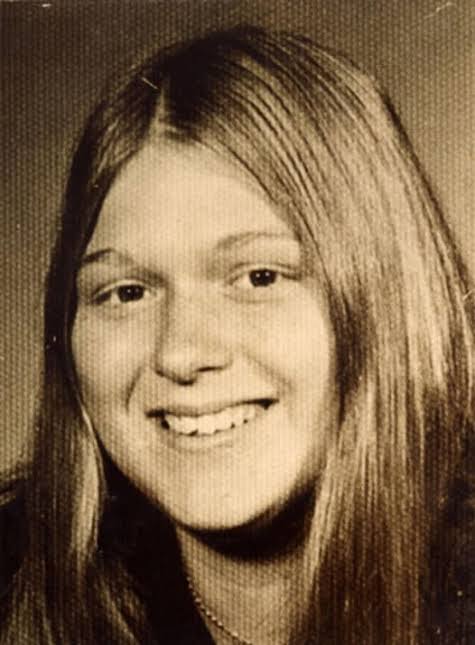
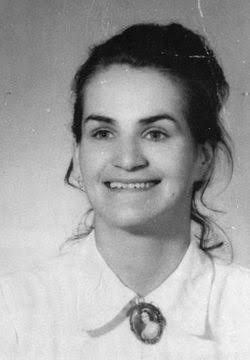
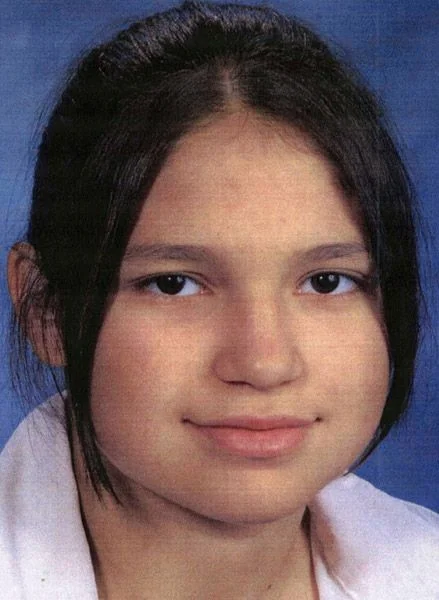
Roxanne Louise Thiara was a young woman with dreams for her future, whose life was tragically cut short at the age of 15. Born in Manitoba, Canada, in 1978, she spent most of her childhood in the foster care of Mildred Thiara and her family in Quesnel, British Columbia. Mildred, who would become her legal guardian, remembered Roxanne as a "happy, bubbly kid." As a teenager, however, Roxanne began to face challenges.
She started skipping school and associating with a crowd Mildred described as a "bad bunch." After a minor offense landed her in a youth detention center at age 12, Roxanne struggled to find her footing upon release, falling into a life of addiction and survival sex work, primarily in Williams Lake and Prince George.
Despite these struggles, Roxanne maintained contact with her guardian, checking in when she could. In June 1994, a flicker of hope for a new beginning emerged. Roxanne, who was part Indigenous, told Mildred she was tired of her life on the streets and wanted to change. She had aspirations of becoming a fashion designer and had made the decisive step to seek help, securing an appointment to enter a drug rehabilitation program. On June 27, 1994, she left Mildred’s home to collect her belongings in Prince George, promising to return the next day to begin her journey toward recovery. It was the last time Mildred would ever see or hear from her.
Over the July long weekend, Roxanne confided in a friend that she was going with a "customer" in downtown Prince George. She was seen walking around the corner of a building and then vanished. As July stretched on with no word, a worried Mildred searched for Roxanne, calling anyone who might know her whereabouts. On August 11, 1994, she officially reported the 15-year-old as missing. The agonizing wait for answers came to a devastating end just six days later, on August 17. The skeletal remains of Roxanne Louise Thiara were discovered in the bush along Highway 16, about six kilometers east of Burns Lake. New property owners found her while walking the perimeter of their land.
The location of the discovery placed Roxanne's case squarely in the grim catalog of the "Highway of Tears," a notorious 725-kilometer stretch of Highway 16 between Prince George and Prince Rupert, where numerous women, many of them Indigenous, have been murdered or have gone missing since 1969. Investigators believed Roxanne was likely killed elsewhere and her body left alongside the remote highway by someone familiar with the area. Police released her photo to the public, generating around 40 tips, but none provided the breakthrough needed to find her killer. Her family held a small funeral to honor her life, left with the painful knowledge that just when she decided to change, she wasn't given the chance.
Tragically, Roxanne's death was not an isolated incident that year. Her friend, 15-year-old Alishia Augustina Germaine, was also murdered in December 1994. Like Roxanne, Alishia had been trying to turn her life around before she was killed. Her body was found near an elementary school on the outskirts of Prince George, also close to Highway 16. The similarities between the murders of Roxanne, Alishia, and another teen, 16-year-old Ramona Wilson, who also vanished in 1994, prompted the Royal Canadian Mounted Police (RCMP) to take a closer look.
In the fall of 2005, these three cases became the foundation for Project E-PANA, a special RCMP task force created to investigate the string of unsolved murders and disappearances along British Columbia's major highways. The project eventually grew to include 18 cases of women and girls who were last seen or found near Highways 16, 97, and 5 between 1969 and 2006. While the task force determined that a single serial killer was not responsible for all the deaths, many of the individual cases, including Roxanne's, remain unsolved. Decades later, her murder continues to be investigated, a painful open wound for her family and one of the many tragedies that haunt the Highway of Tears.