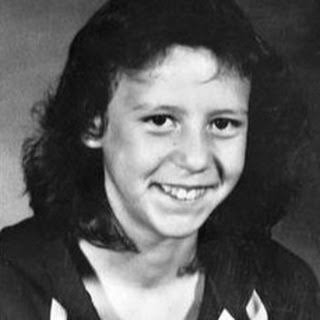
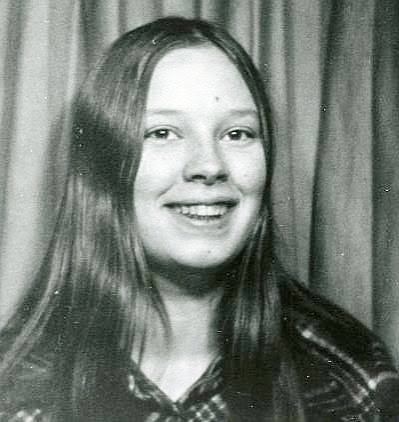
In the summer of 1981, a shadow fell over the Lower Mainland of British Columbia as a string of children and teenagers vanished, their disappearances initially baffling law enforcement. Among them was Judy Elizabeth Kozma, a 14-year-old girl from New Westminster. Described as a shy but outgoing and promising gymnast, Judy worked a part-time job as a cashier at a local McDonald's and was looking for a second job to earn more money.
Her life, full of youthful ambition, was horrifically cut short, making her one of 11 proven victims of the man who would become known as "The Beast of British Columbia."
On July 9, 1981, Judy was on her way to a job interview in the nearby city of Richmond. She was seen leaving a phone booth on Columbia Street when a car pulled over. The driver was Clifford Robert Olson Jr., a man she had previously met. Olson, who had an extensive criminal history, offered her a ride. An 18-year-old acquaintance of Olson's was also in the car and later provided an eyewitness account of the hours leading up to Judy's death. Olson plied the teenager with alcohol and drugs, driving her around before eventually dropping off his acquaintance. After that, he was alone with Judy. He raped and strangled the young girl, then discarded her body near Weaver Lake in a remote area near Agassiz.
For sixteen days, Judy's fate remained unknown. Her family and friends were left to wonder what had happened to her, with police initially classifying her disappearance as a runaway case. The agonizing wait came to a devastating end on July 25, 1981, when four campers discovered her remains near the lake. The discovery confirmed the community's worst fears and marked a turning point in what was becoming a massive police investigation into the disappearances of multiple youths in the region.
The investigation into the string of murders eventually led police to focus on Clifford Olson. He was already known to them as a career criminal and informant. Police placed him under surveillance, but not before he killed his final victim. Olson was arrested on August 12, 1981, for attempting to abduct two other young women. During the search of his car, investigators found a notebook containing Judy Kozma's name, a crucial piece of evidence linking him to her case. On August 18, Olson was formally charged with Judy's murder.
Faced with a weak case for the other murders, the Royal Canadian Mounted Police made a controversial deal with the killer. Olson agreed to confess to 11 murders and lead investigators to the locations of the bodies they had not yet found. In exchange, the government paid $100,000 into a trust fund for his wife and son—$10,000 for each victim, with the eleventh body being a "freebie." This "cash-for-bodies" deal sparked public outrage that has lasted for decades. In a particularly cruel act of depravity, it was revealed that after killing Judy, Olson had taken her address book and used it to make taunting phone calls to her friends, telling them, "You're next."
In January 1982, Clifford Olson's trial began and ended swiftly when he changed his plea to guilty on 11 counts of first-degree murder. He was sentenced to 11 concurrent life sentences, with no possibility of parole for 25 years. The judge at his sentencing remarked, "My considered opinion is that you should never be granted parole for the remainder of your days." Olson repeatedly taunted his victims' families from prison with parole applications and media stunts until his death from cancer on September 30, 2011. Judy's elder sister, Brigitte Kozma, was among the family members notified by Corrections Canada of the killer's death, an event that brought a final, somber close to a chapter of immense pain and loss.