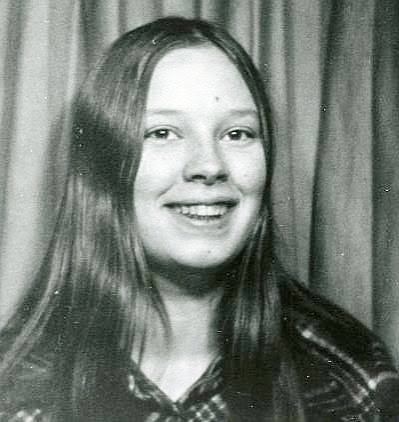
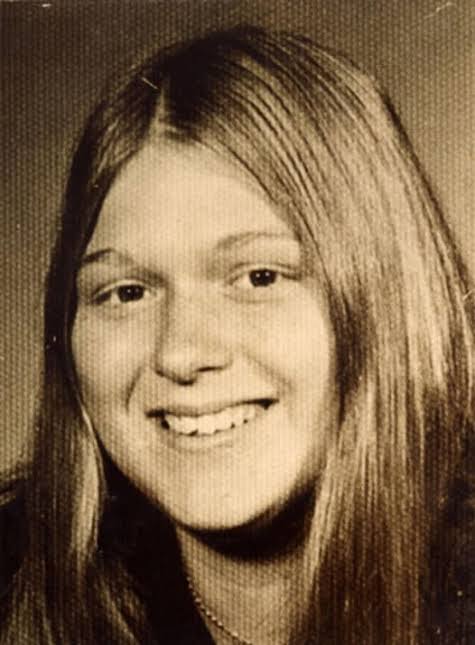
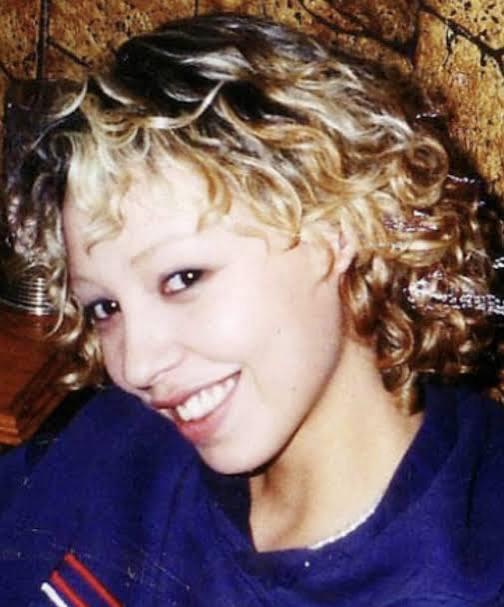
Gloria Levina Moody, a 26-year-old mother of two from the Nuxalk Nation, was a woman remembered for her happy, fun-loving nature and her dedication to helping others. Known to her loved ones as Lee or Levina, she was the second oldest of eight siblings and often took on a caring role for her younger sisters while their mother worked. Her brother, Dave Moody, recalled her as someone who was always happy and never had a sad moment.
In addition to being a devoted mother to her four-year-old daughter, Vanessa, and three-year-old son, Dan, Gloria worked full-time at fish hatcheries to support her family.
In late October 1969, Gloria sought a weekend away and traveled with her parents and brother from their home in the Bella Coola area to Williams Lake, British Columbia, for a shopping trip. On the evening of Saturday, October 25, Gloria and her brother Dave went out for a night in town, visiting several local bars. Their last stop was the Ranch Hotel, where the family was also staying. Dave left the bar believing his sister was right behind him, but when he turned around, she was gone. No one at the hotel bar recalled seeing her leave or remembered who she might have been with.
The next day, two hunters discovered Gloria's body on a cattle trail in the bush, about 10 kilometers west of Williams Lake. She had been brutally beaten, sexually assaulted, and left to bleed to death. Her clothes were found discarded nearby. The town had been particularly busy that weekend with a local 4H sale, filling hotels and making the task of identifying potential witnesses or suspects incredibly difficult for investigators. With no solid leads, the investigation into who was responsible for Gloria’s violent death quickly stalled.
For decades, Gloria’s family lived without answers, the grief of her murder casting a long shadow over their lives. The loss was especially hard on her father, David, who blamed himself for the trip. His granddaughter Vanessa shared that he locked himself in Gloria's room, overcome with grief, and when he emerged days later, his hair had turned completely white. He passed away just a few years later in 1972. Gloria's two young children, Vanessa and Dan, were raised by their maternal grandparents, David and Daisy Moody.
Gloria Moody’s murder is now widely considered the first of many connected to the notorious "Highway of Tears," a series of highways in British Columbia where dozens of women, many of them Indigenous, have been murdered or have gone missing between 1969 and 2006. In 2007, her case officially became the oldest of 18 investigations included in Project E-PANA, a Royal Canadian Mounted Police task force created to determine if a serial killer was responsible for the string of deaths and disappearances along Highways 16, 97, and 5.
It wasn't until nearly 30 years after the murder that the RCMP provided the Moody family with an update. Investigators informed them they believed three men from Williams Lake were responsible for Gloria's death, but all three suspects were deceased. One of the men was a former bartender who had a reputation for violence against women. Despite this development, with the suspects dead, no charges could ever be laid. The police consider the case resolved, but for the public and her family, it remains officially unsolved. Gloria's daughter, Vanessa, has said that people in Williams Lake have told her it was common knowledge who killed her mother, but fear kept them from coming forward.
The passage of time has not erased the pain for Gloria’s family. Her son, Dan, struggled with addiction and passed away having never fully recovered from the trauma of his mother's murder. Her daughter, Vanessa, now a cultural teacher in her community, continues to honor her mother's memory. The family and the Nuxalk Nation hold ceremonies, like the Red Dress ceremony for missing and murdered Indigenous women and girls, ensuring that Gloria Levina Moody is never forgotten. Her case remains a stark reminder of a long and tragic history of violence along the Highway of Tears, for which justice has been tragically elusive.