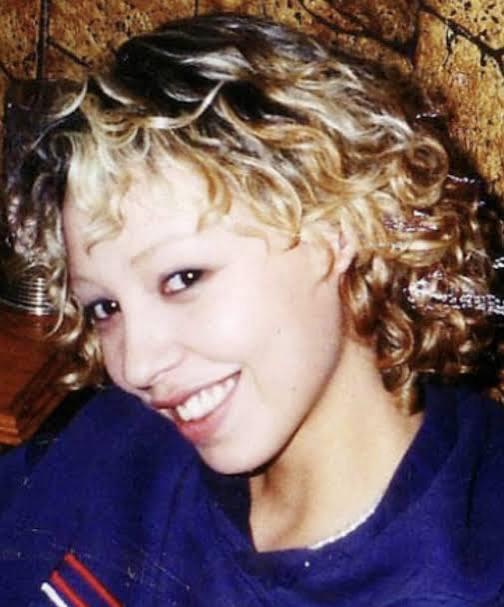
Alberta Gail Williams was a kind and caring 24-year-old Indigenous woman from the Gitksan Nation, known for her quiet nature and for seeing the good in the world. She and her older sister, Claudia, were exceptionally close, having grown up in a tight-knit family that moved between Gitanyow and Prince Rupert, British Columbia. Their parents encouraged them to pursue a good education, and both sisters eventually graduated from high school and shared an apartment in downtown Vancouver.
In the summer of 1989, Alberta was engaged and had plans to enroll in college and start a new job as a waitress. To earn money, she and Claudia took seasonal jobs at the B.C. Packers salmon cannery in Prince Rupert, a common practice for them.
The summer work was hard, but it paid well, and by late August, the sisters were ready to return to their lives in Vancouver. On Friday, August 25, 1989, they finished their last day at the cannery and went out with friends to celebrate at a local bar, Bogey's Cabaret, also known as Popeye's. It was the last weekend they planned to be in town. Late in the evening, in the early hours of August 26, Alberta told her sister she was going to a house party. Claudia recalled her sister's last words to her were, "Claudia, Claudia, come with me." Claudia turned to speak to someone for a moment, and when she looked back, Alberta and the group she was with were gone.
When Alberta failed to return and missed her trip back to Vancouver, her family knew something was terribly wrong and filed a missing person report. They described her as responsible and not the type to leave without telling anyone. Family and friends organized extensive searches around Prince Rupert while police began their investigation. The search ended in heartbreak three weeks later, on September 16, 1989. Hikers discovered Alberta’s body in a ditch along Highway 16, about 37 kilometers east of Prince Rupert near the Tyee Overpass. The investigation immediately shifted from a missing person case to a homicide. It was determined that she had been sexually assaulted and strangled.
Alberta's murder remains unsolved, one of many tragic cases along the stretch of Highway 16 known as the "Highway of Tears." This corridor between Prince Rupert and Prince George has been the site of numerous murders and disappearances, disproportionately affecting Indigenous women and girls, since 1969. In 2006, Alberta's case was officially added to the RCMP's E-PANA Task Force, which was created to investigate whether a serial killer or killers were responsible for the unsolved cases along British Columbia's major highways. Over the years, police have looked at many persons of interest, including a male relative of Alberta's. A retired lead investigator on her case has stated he believes he knows who is responsible for her death.
Despite the passage of more than three decades, there have been no arrests and no charges laid in connection with her murder. The lack of resolution has haunted her family, who continue to advocate for justice. Her sister Claudia has been a relentless voice, keeping Alberta's memory alive and pushing for answers, regularly communicating with investigators and participating in memorial marches. "Justice is justice, nobody deserves to be killed in any way," Claudia has said. The family believes there are people who have information about what happened that night who have never come forward.
In 2016, a CBC podcast titled "Missing & Murdered: Who Killed Alberta Williams?" brought renewed attention to the case, uncovering new information and interviewing witnesses who had never spoken to police. Following the podcast, the RCMP confirmed the investigation was "very active" and that they were receiving new tips. Alberta was buried in her home community of Gitanyow, next to her sister, Pamela. Her family continues to hope that someone will finally come forward with the information needed to bring her killer to justice and provide them with the answers they have sought for so long.