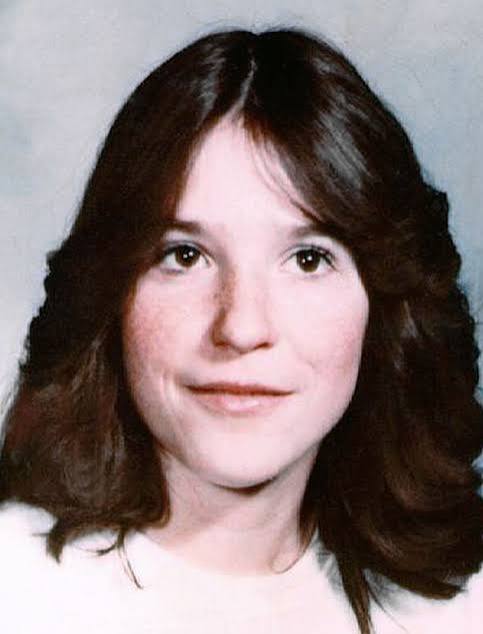
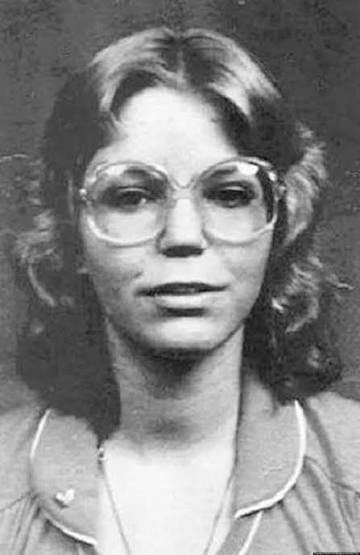
In the summer of 1970, eighteen-year-old Micheline Pare, a young woman from Quebec, was exploring the scenic, rugged landscape of northern British Columbia. Described as being five-foot-four with brown hair and a noticeable dimple in her chin, she was part of a generation of youth who thought little of traveling the country's highways by thumb. It was a common, accepted way for free-spirited young people to get around, and Micheline was no exception.
Dressed in blue flare corduroys, she set out to meet friends, relying on the kindness of strangers to traverse the distance.
Sometime in July, her journey brought her to a stretch of pavement between Fort St. John and Hudson's Hope. According to police reports, two women gave her a ride and dropped her off at the gates of the Tompkins Ranch on Highway 29. This was the last time anyone could definitively account for her whereabouts. As the July days turned into August, Micheline’s friends and family were left to wonder where she had gone. The open road that had promised adventure had instead swallowed her without a trace, leaving a void of silence and growing fear.
On August 8, 1970, a group of people picking wild Saskatoon berries along the highway near Hudson's Hope made a devastating discovery. About 21 kilometers from where Micheline had last been seen, they found her body. The hope that she was simply out of touch and living her adventure came to an abrupt and brutal end. An investigation determined the young traveler had been viciously attacked, beaten to death with a blunt weapon. Investigators also believed she had been sexually assaulted, though the advanced state of decomposition made it impossible to be certain.
In the aftermath, the Royal Canadian Mounted Police (RCMP) launched a homicide investigation. They circulated a photograph of Micheline throughout the province, hoping to generate leads from anyone who might have seen her or noticed anything suspicious around the time she vanished. Despite their efforts, the case yielded no arrests and gradually grew cold. The leads dried up, and for decades, Micheline’s murder remained a quiet, painful mystery for her family, another unsolved file in a growing collection of cases involving women who had met violent ends in the region.
Micheline Pare’s case is now officially recognized as one of the tragic collection of murders and disappearances known as the "Highway of Tears." This name refers to a series of unsolved cases along three major routes in British Columbia: Highways 16, 97, and 5. In 2005, the RCMP created a special task force, Project E-PANA, to re-examine these cases and determine if a serial killer, or killers, was responsible for the string of tragedies that began with the death of Gloria Moody in 1969 and continued for decades.
Micheline’s murder is one of the earliest cases on the official E-PANA list of 18 victims. While investigators have since been able to solve a small number of these homicides through DNA evidence, linking them to deceased American offender Bobby Jack Fowler, most remain unsolved. There has been no such breakthrough for Micheline. Her killer has never been identified, and her case, like so many others along that lonely stretch of highway, remains open. More than half a century later, the questions surrounding her final moments are unanswered, a persistent and sorrowful echo along the Highway of Tears. Anyone with information regarding the case is asked to contact the Hudson Hope RCMP.