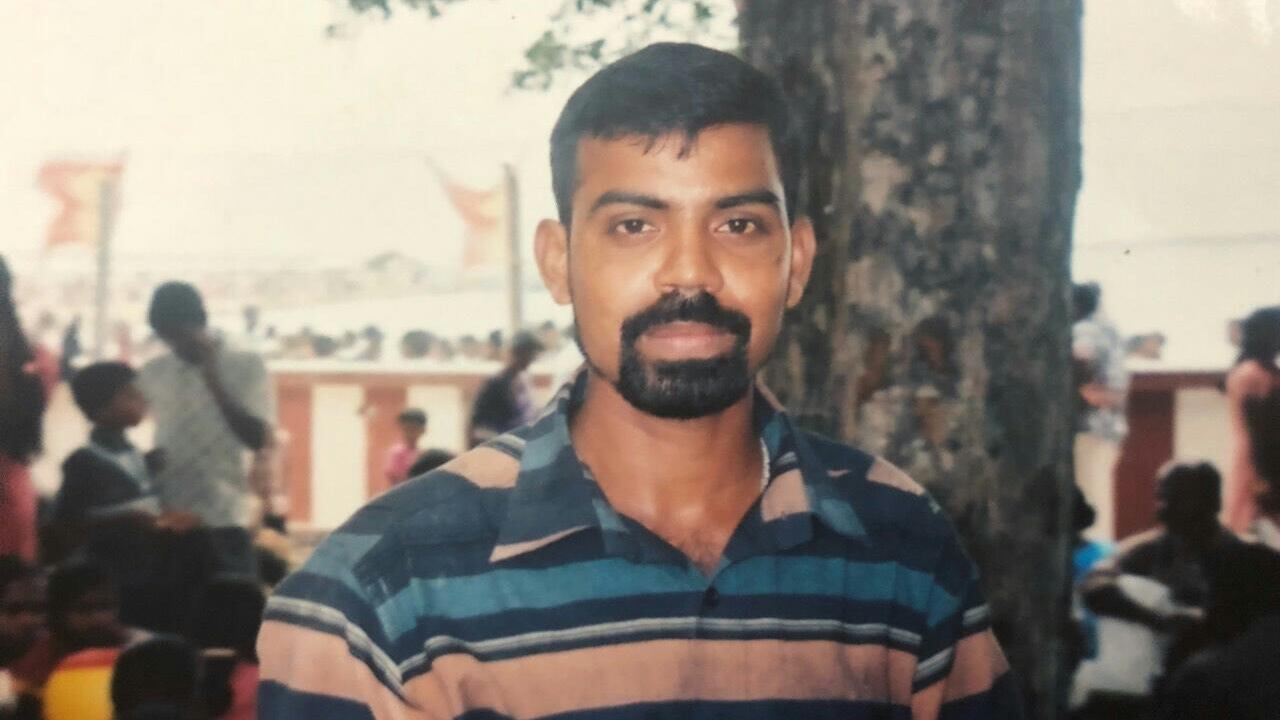
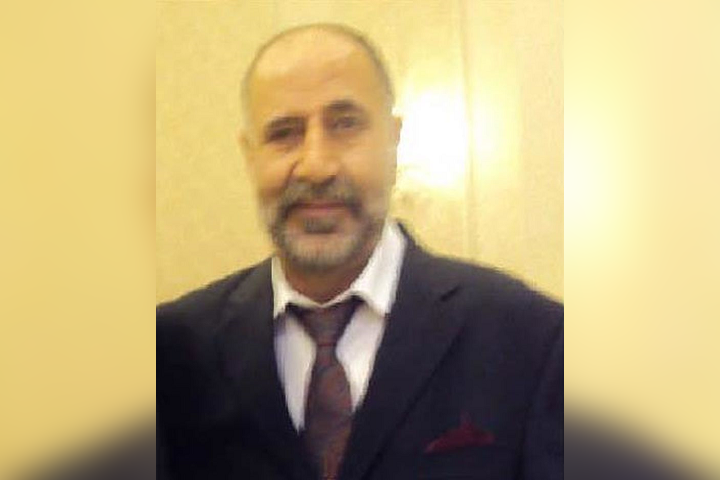
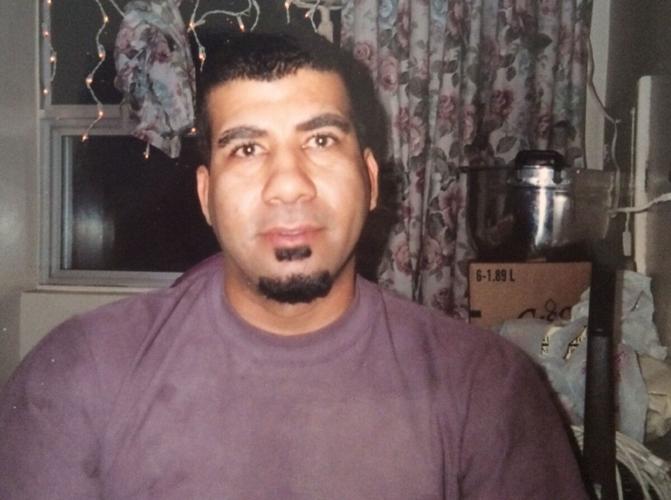
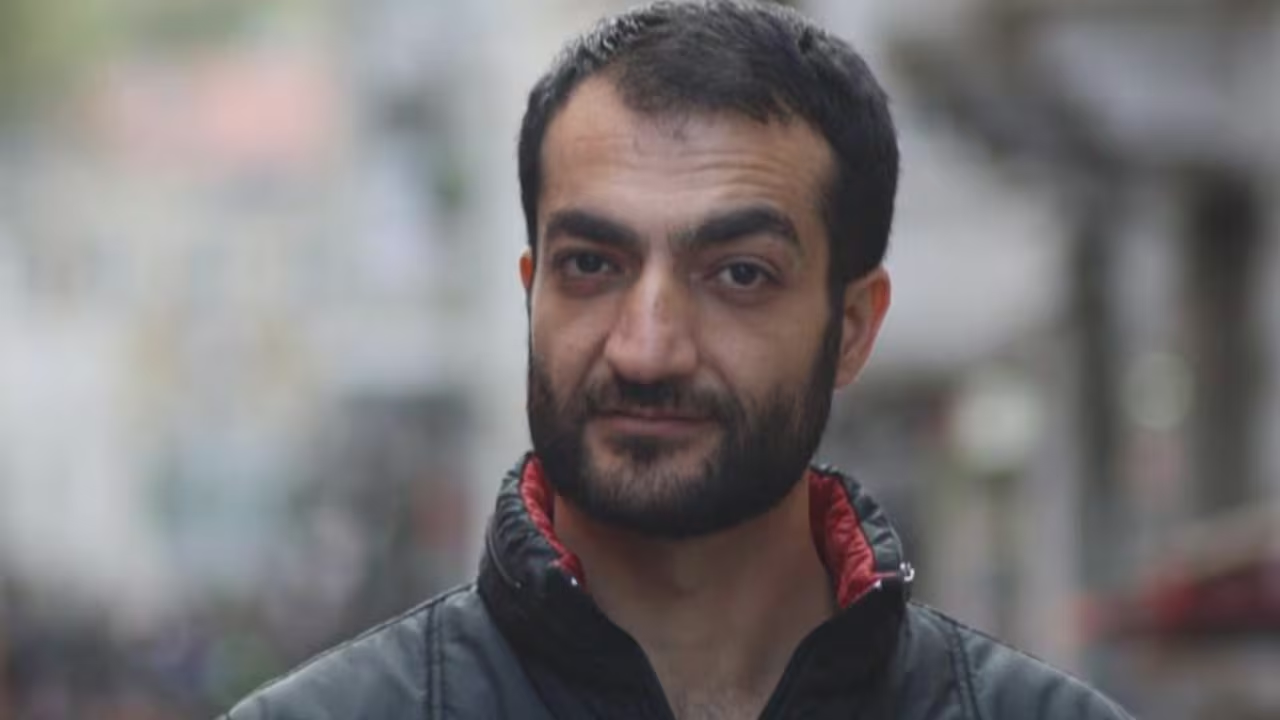
Abdulbasir Faizi, a 42-year-old man from Afghanistan, was a devoted husband and a loving father to two young daughters. He and his wife, Kareema, had been married since 1999. A friend described him as an intelligent, funny, and smart family man who adored his children. Just before he vanished, he had been working overtime at the printing company where he was employed to make sure his daughters received everything on their Christmas wish lists.
But there was a part of his life he kept hidden from his family in Brampton, Ontario. Faizi frequented Toronto’s Gay Village, a secret he concealed from his culturally conservative family.
On the evening of December 29, 2010, Faizi had a brief phone conversation with his wife, telling her he was at work with some colleagues and would be home later. It was the last time she would ever speak to him. He was last seen that night in the Church and Wellesley neighborhood, having visited The Black Eagle bar and a bathhouse called Steamworks. When he failed to return home, his wife reported him missing to Peel Regional Police the next day. She told investigators her husband had no enemies and no reason for anyone to want to harm him. For his family, it was the beginning of a long and agonizing period of uncertainty.
The initial investigation offered few clues. About a week after his disappearance, on January 4, 2011, police located Faizi's 2002 Nissan Sentra. It was found abandoned and locked on Moore Avenue in Toronto, near an entrance to the Beltline Trail, a ravine area known as a cruising spot for gay men. The location was ominously close to a property on Mallory Crescent where a self-employed landscaper named Bruce McArthur stored his tools and equipment. With no other leads, the case went cold. Faizi's wife, believing police suggestions that he had simply abandoned his family, eventually initiated divorce proceedings to gain custody of their children.
In November 2012, the Toronto Police Service launched Project Houston, a task force created to investigate the disappearances of Faizi and two other middle-aged men of South Asian descent who had vanished from the Gay Village: Skandaraj Navaratnam and Majeed Kayhan. Investigators interviewed Bruce McArthur in 2013 as a witness, as he was known to be acquainted with Navaratnam and Kayhan. McArthur admitted to knowing the other two men but denied ever meeting Faizi. Project Houston was ultimately closed in 2014 without yielding any arrests or answers.
Years passed until a new police task force, Project Prism, was formed in 2017 to investigate other disappearances in the Village. This investigation finally led to the arrest of Bruce McArthur on January 18, 2018. The 66-year-old landscaper was soon revealed to be a serial killer who had preyed on men in the community for years. The investigation became the largest in Toronto's history, and police began searching properties connected to McArthur's landscaping business. In large planters seized from the Mallory Crescent home where Faizi's car was found years earlier, investigators discovered the dismembered remains of multiple victims.
On April 11, 2018, police formally charged McArthur with the first-degree murder of Abdulbasir Faizi. His remains were identified from the planters, confirming his family's worst fears. The discovery, while devastating, brought a small measure of relief to his relatives, who now knew he had not abandoned them. McArthur was ultimately found to be responsible for the deaths of eight men between 2010 and 2017, killing them by ligature strangulation. On January 29, 2019, he pleaded guilty to eight counts of first-degree murder. Bruce McArthur was sentenced to life in prison with no possibility of parole for 25 years. During the sentencing, Faizi's wife submitted a statement about the heartbreak her two daughters endured growing up without their father, whom they still missed dearly.