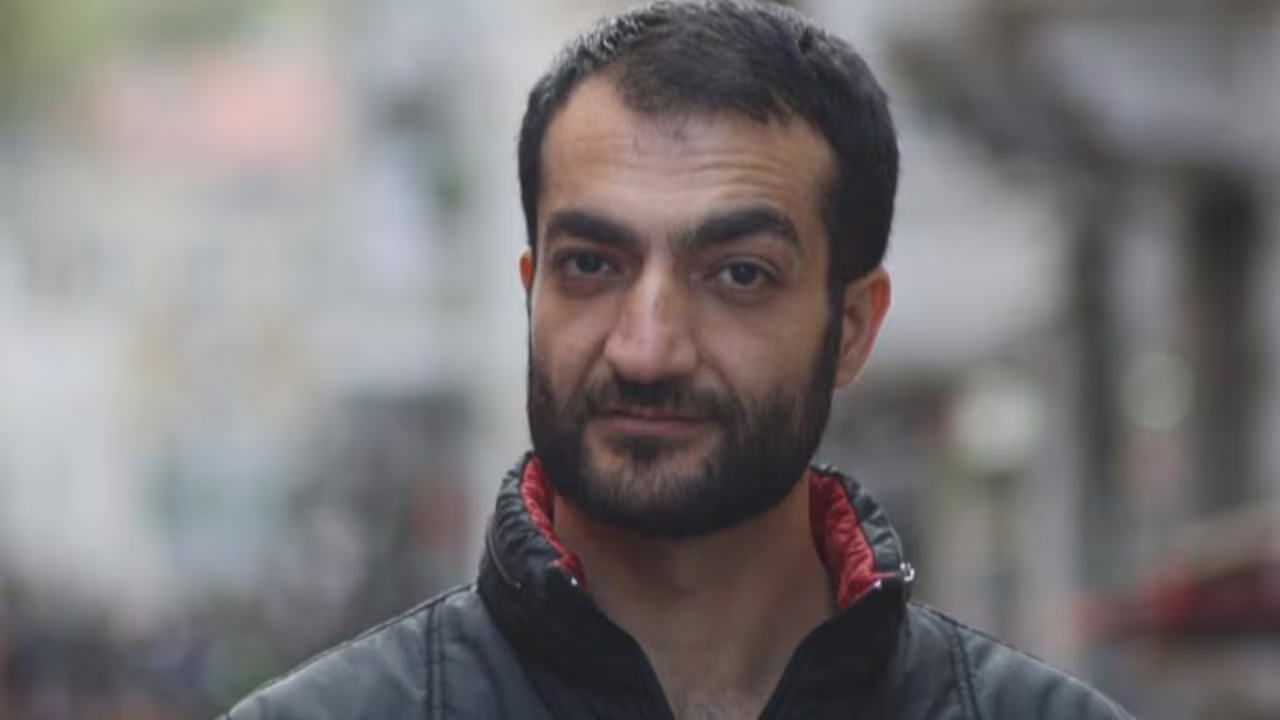
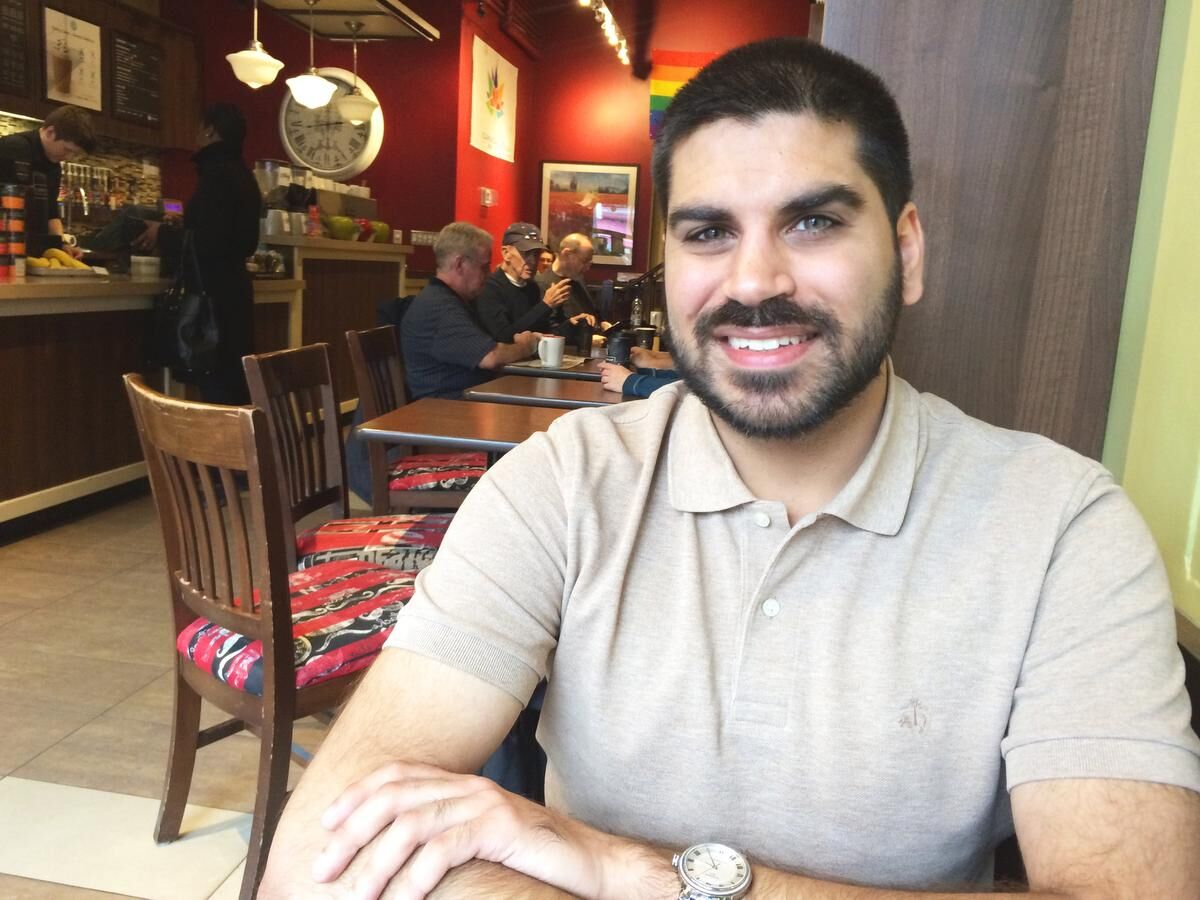
Majeed Kayhan, a 58-year-old man who had immigrated to Canada from Afghanistan, was a father with two children and three grandchildren. Known to some as "Hamid," he was part of a large, traditional family. Though he had divorced his wife in 2002, he had not come out as gay to his entire family. He was known to frequent Toronto's Gay Village and had a sexual relationship with a man named Bruce McArthur.
In the fall of 2012, Majeed Kayhan vanished.
His son reported him missing on October 25, 2012, after he was last seen on or around October 18. His disappearance became one of three cases investigated by a special Toronto Police Service task force called Project Houston. The project, which ran from November 2012 to April 2014, looked into the disappearances of Kayhan and two other men with ties to the Gay Village: Skandaraj Navaratnam and Abdulbasir Faizi. During this investigation, police interviewed McArthur in 2013 because he had known the missing men, admitting he had employed Kayhan and had been in a sexual relationship with him. Despite these connections, Project Houston was closed after 18 months without yielding any criminal evidence or leads on what happened to the men.
For years, Kayhan's family agonized, holding onto a sliver of hope while grappling with the pain of not knowing his fate. That agonizing uncertainty ended in January 2018 with the arrest of Bruce McArthur, a landscaper who would become known as one of Canada's most prolific serial killers. On January 29, 2018, police charged McArthur with the first-degree murders of Kayhan and two other men, officially naming him a serial killer. The investigation revealed McArthur was responsible for the deaths of eight men between 2010 and 2017, using ligature strangulation to kill his victims.
The horrific details of McArthur's crimes emerged as police began searching properties connected to his landscaping business. At a home on Mallory Crescent in the Leaside neighborhood, where McArthur stored his tools, investigators found the dismembered remains of seven of his victims hidden inside large planters. Kayhan's remains, however, were not among them. The search for him continued, and in July 2018, police focused on a ravine behind the Mallory Crescent property. After a nearly two-week excavation, investigators announced on July 20, 2018, that they had found and positively identified the remains of Majeed Kayhan. He was the last of the eight known victims to be found.
The discovery brought a painful closure to Kayhan's family. Detective-Sergeant Hank Idsinga, the lead investigator, spoke to the family, who he said were going through a "very difficult" time. "Of course they were eternally hopeful that what has happened ultimately wouldn't happen," Idsinga said. "But they're very grateful, very thankful for the closure and they're very angry. They're angry at the right person and that's Mr. McArthur." In a victim impact statement presented in court, Kayhan's brother, Jalil, wrote, "I don't know that I can properly describe the pain and suffering that I and my family have gone through over the years and I believe this suffering will continue to affect us forever."
On January 29, 2019, Thomas Donald Bruce McArthur pleaded guilty to eight counts of first-degree murder. He was sentenced to life in prison with no possibility of parole for 25 years. The judge who handed down the sentence described McArthur's actions as "pure evil," noting it was highly unlikely he would ever be released. The case brought to a close a years-long reign of terror that targeted vulnerable men, many of them immigrants with connections to Toronto's LGBTQ community.