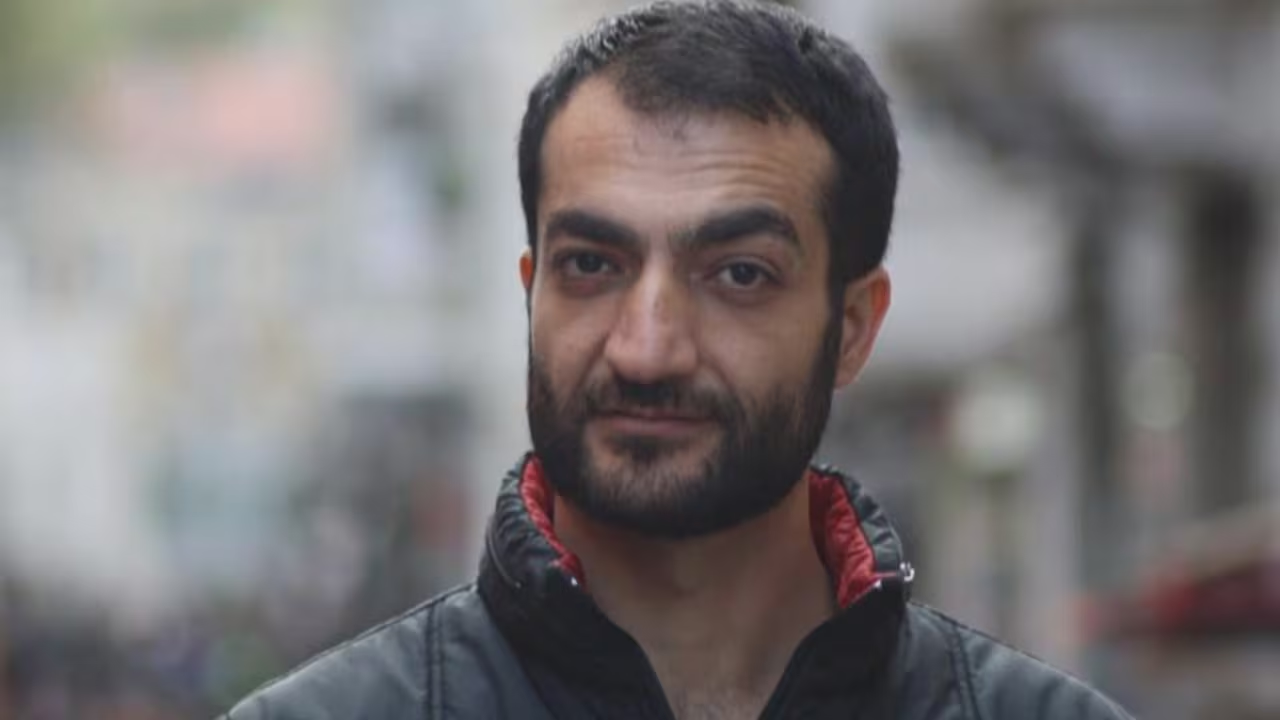
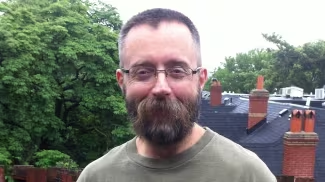
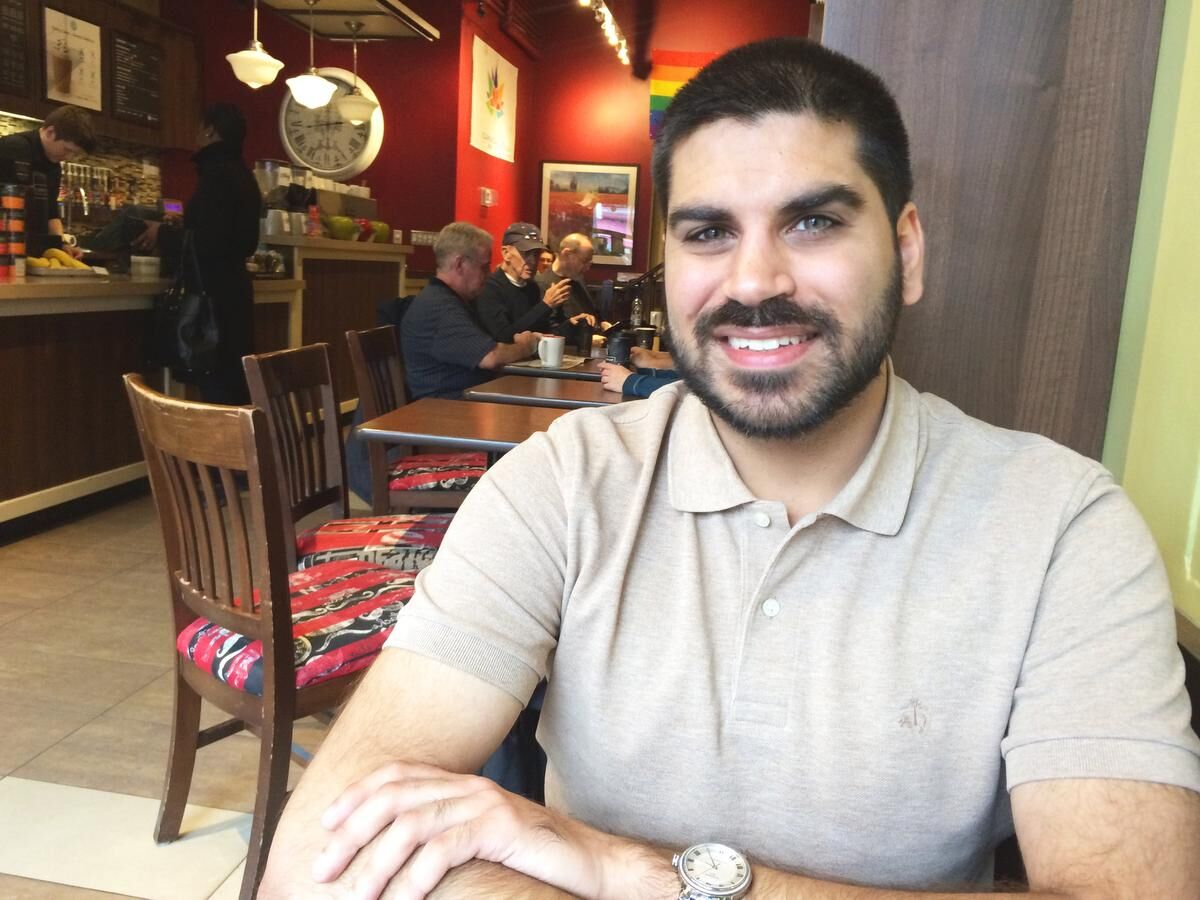
To those who knew him in and around Toronto’s Gay Village, Dean Lisowick was a quiet, polite, and caring man with a big heart. He was a fixture in the community, known for doing odd jobs, helping out where he could, and sticking up for others. Despite a street-savvy exterior, those who interacted with him saw a gentle and vulnerable soul beneath a necessary shell of bravado.
Dean, a 47-year-old man, faced immense personal challenges, grappling with homelessness, mental health issues, and addiction for years. He was a client of the city’s shelter system, periodically staying at places like The Scott Mission, where he was last recorded on April 21, 2016.
Because of his transient life, no one ever filed a missing person's report for Dean. Friends and acquaintances were used to him disappearing for periods, and many assumed he had simply moved on. He had a daughter, but was estranged from his family. In the spring of 2016, Dean Lisowick vanished for the last time. He was murdered around April 23, 2016, another victim of the man who came to be known as the Toronto Village Killer, a self-employed landscaper named Thomas Donald Bruce McArthur.
Dean was one of eight men murdered by McArthur between 2010 and 2017. McArthur, who often worked as a mall Santa during the holidays, targeted men, many of whom were marginalized and had ties to the LGBTQ community. His method was ligature strangulation, and the murders were often sexual in nature. After killing his victims, McArthur dismembered their bodies and buried their remains in large garden planters at a residential property in Toronto where he stored his landscaping equipment. He also kept personal items from his victims as trophies.
The investigation into a series of disappearances from the Gay Village eventually led police to McArthur. Two police task forces, Project Houston and Project Prism, were launched over the years to investigate the disappearances of several men. It wasn't until the disappearance of Andrew Kinsman in June 2017 that investigators began to close in on McArthur. They placed him under surveillance and, on January 18, 2018, arrested him after they saw a man enter his apartment and feared for the man's safety.
The subsequent search of McArthur’s apartment and properties connected to him uncovered a trove of horrific evidence. Police found the dismembered remains of seven men, including Dean Lisowick, in the planters. In McArthur’s bedroom, investigators discovered jewelry that had belonged to Dean. They also found a bag containing duct tape, rope, zip ties, and surgical gloves, along with photographs McArthur had taken of his victims after their deaths.
In January 2019, Bruce McArthur pleaded guilty to eight counts of first-degree murder, sparing the victims' families a long and painful trial. He was sentenced to life in prison with no possibility of parole for 25 years. During the sentencing hearing, the profound loss of the eight men was felt through victim impact statements. Dean's daughter, Emily Bourgeois, remembered her father as an artistic soul and lamented that she would never have the chance to reconnect with the father she barely knew. "There is no way I could ever know what could have been because he has been taken away from the world," she told the court.
Friends remembered Dean as a sweet, thoughtful, and protective person who had fallen through the cracks of society. His death highlighted the vulnerability of marginalized people, particularly those experiencing homelessness and addiction. While a serial killer has been brought to justice, the community continues to mourn the loss of Dean Lisowick and the seven other men whose lives were so cruelly cut short.