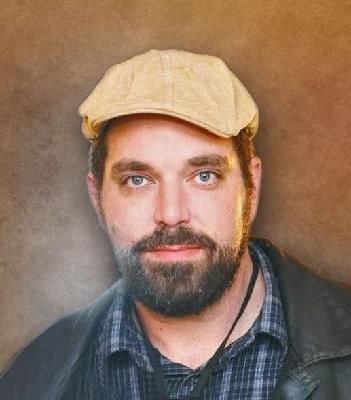
Joshua Seth Perrin, a 34-year-old White male from Omaha, Nebraska, spent most of his life building connections in the city where he was born and raised, long before his name appeared in headlines about a fatal shooting on November 11, 2025. A graduate of Westside High School, he worked for years in the service industry and in various trades, the kind of person who collected friends everywhere he went and kept them close.
Those who knew him remember someone quick with a joke and quicker still to show up when someone needed help, a loyal presence whose easygoing nature made him a fixture in his circle.
On that Tuesday evening in the Benson neighborhood near North 56th and Hamilton Street, an ordinary night shifted abruptly into chaos when reports of gunfire reached Omaha police around 8:30 p.m. Responding officers arrived to find Joshua on the street with multiple gunshot wounds, unresponsive but not yet abandoned to the inevitable; CPR was started at the scene before he was rushed to Nebraska Medicine. Despite the efforts of first responders and hospital staff, he was pronounced dead shortly after, and what had been a routine weeknight for the neighborhood became the starting point of a homicide investigation.
Detectives began piecing together what had happened along that stretch of Hamilton, a busy corridor threaded with homes, small businesses, and bars. Early statements from police suggested that robbery might have played a role, turning suspicion toward an encounter that escalated into lethal violence rather than a random act with no discernible motive. Investigators canvassed the area for surveillance footage, spoke with potential witnesses, and appealed publicly for information, while Crime Stoppers reiterated that anonymous tips leading to an arrest in a homicide could qualify for a substantial reward. The intersection where Joshua fell became both a crime scene and, for those who loved him, a point on the map that would never again feel like just another corner of town.
Behind the police tape and the formal language of press releases was a life filled with very specific joys. Joshua was a dedicated PC gamer who not only played but built and optimized computers, often helping friends put together their own systems so they could share in the same excitement. He hosted LAN parties at his home and regularly rallied groups to attend Netwar, a local gaming event he especially loved. Outside of gaming, he immersed himself in the worlds of Star Wars, The Lord of the Rings, Marvel, DC, and professional wrestling, able to debate storylines and characters in detail for hours. Concerts and comedy shows were another constant in his life, a way of turning free nights into memories with the people he cared about. At home, he doted on his three cats Musashi, Luna, and Mose who, according to those close to him, were more like family than pets. Friends and relatives describe him as a cornerstone of a large social circle, someone who organized get-togethers, defended those he loved without hesitation, and left people feeling seen and valued after even a brief conversation.
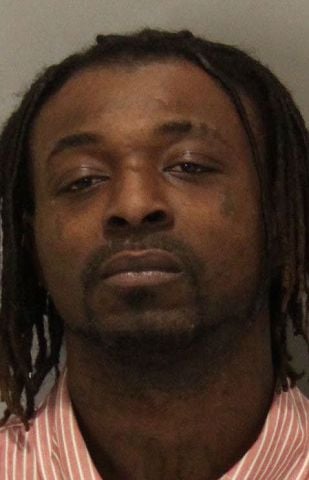
As the days passed after the shooting, the case shifted from a nameless-gunman mystery to a focused search when authorities publicly identified a suspect. The Omaha Police Department s fugitive unit announced that they were actively looking for 22-year-old Ve Angelo Moore, wanted on charges including first-degree murder, possession of a firearm by a prohibited person, second-degree assault, and multiple counts of use of a firearm to commit a felony. Police warned that he should be considered armed and dangerous and again urged anyone who might know his whereabouts to contact the Homicide Unit or Crime Stoppers, reinforcing that tips could be given anonymously. At the time of those announcements, investigators were still searching for him, and no arrest had yet been reported, leaving the case balanced between the relief of having a named suspect and the frustration that the person accused of taking Joshua s life remained at large.
While detectives worked the case, the community around Joshua tried to reckon with the hole his absence left behind. Online memorials and tribute pages filled with photos, memories, and digital candles, each small gesture a sign that the loss was felt far beyond a single block or group of friends. Obituary notices and remembrance articles painted a picture of someone whose humor, generosity, and love for his family and friends had defined his everyday life far more than the violence that ended it. Plans for gatherings and vigils took shape as people searched for ways to stand together, both to grieve and to call for justice. In Omaha, Joshua s name became one more reminder of the human cost of gun violence: a familiar face in a tight-knit community, suddenly gone, with loved ones left to wait for the day when the person accused of killing him is finally brought into custody and the story of that night near 56th and Hamilton can be fully told in a courtroom rather than only in memory.