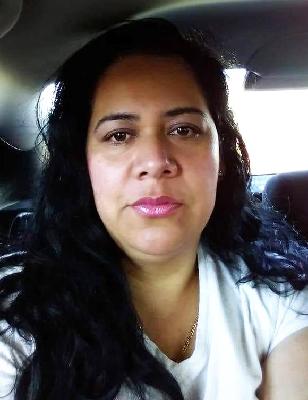
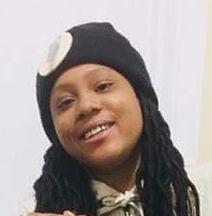
On a summer day in Chicago, June 22, 2017, Catherine Saterfield-Buchanan was found dead in the East Garfield Park neighborhood. The 58-year-old woman’s body was discovered on the street in the 3500 block of West Huron. An investigation by the medical examiner would later determine that she had been killed by strangulation. Her death was not an isolated tragedy but one that marked a chilling return of a pattern of violence that had haunted the city for years.
Catherine’s murder is
believed to be part of a terrifying cluster of homicides attributed to one or more serial killers often referred to as the "Chicago Strangler." Between 2001 and 2018, at least 51 women were murdered in Chicago, their cases remaining unsolved. The victims, predominantly Black women, were often found in alleys, vacant lots, and abandoned buildings on the city's South and West Sides. The primary cause of death in these cases was consistently strangulation or asphyxiation. At age 58, Catherine was the oldest known victim in this devastating series of crimes.
The murder of Catherine Saterfield-Buchanan was particularly notable to investigators and researchers because it ended a three-year gap in the string of killings. The previous victim in the pattern had been discovered in early 2014. Her death signaled that a predator, or predators, who had been dormant was active once again, renewing fear in the community and presenting a new challenge for law enforcement.
The broader investigation into these 51 unsolved murders was given new life in 2017 when the Murder Accountability Project, a nonprofit organization, used a computer algorithm to identify the alarming cluster. The algorithm sorted through unsolved homicides, flagging cases with similar methods, victim demographics, and geographic locations. The findings suggested that a serial killer had been operating undetected for years, preying on vulnerable women whose deaths had not been connected by authorities.
Despite the compelling data and the striking similarities between the cases, the Chicago Police Department has stated that there is no definitive evidence to prove a single person is responsible for all 51 deaths. DNA evidence recovered from 21 of the victims belonged to 21 different individuals, suggesting the possibility of multiple killers. In 2019, the department announced a review of the unsolved cases, re-examining evidence and seeking new leads under pressure from community activists and victims' families who have long demanded justice.
For years, community advocates and family members of the victims have worked to ensure these women are not forgotten. They were mothers, daughters, and sisters whose lives were cut short. Activists have held vigils and created memorials, fighting against the public indifference that too often surrounds the deaths of marginalized women. They emphasize that every victim had a name, a story, and loved ones who are still waiting for answers.
The case of Catherine Saterfield-Buchanan, like the 50 others, remains unsolved. Her death is a stark reminder of a long and painful chapter in Chicago’s history. While one man was convicted in 2025 for the murder of one of the 51 victims, Diamond Turner, after being linked by DNA, there has been no justice for Catherine or the vast majority of the other women. Her file remains open, one of many in a series of connected tragedies that continue to leave a deep scar on the city and on the families who still grieve.