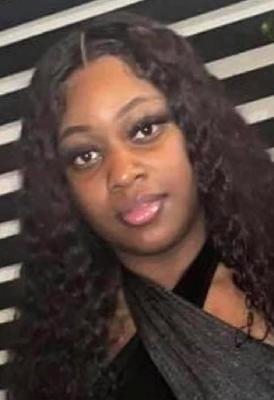
On a late summer day in Chicago, August 28, 2011, the life of 46-year-old Angela Profit was tragically cut short. A Black woman living in a city grappling with a wave of violence, Angela became another victim whose case has remained unsolved, leaving a family without answers and a community on edge. Her death is not seen as an isolated incident but as part of a deeply disturbing pattern of violence that has haunted the city for years.
Details about Angela's personal life, her passions,
and the relationships she cherished are not widely known, a common and heartbreaking reality for many victims whose stories are overshadowed by the violent nature of their deaths. What is known is that on that August day, she was found deceased in Chicago, Illinois. The cause of her death was determined to be strangulation or asphyxiation, a brutal method that has been seen in numerous other cases across the city.
Investigators have linked Angela Profit's murder to a potential serial killer, or killers, often referred to as the "Chicago Strangler." Between 2001 and 2018, a terrifying series of at least 75 similar murders of women occurred throughout Chicago, with a significant cluster of 51 cases remaining unsolved. The victims of the Chicago Strangler were predominantly African-American women, and their bodies were often discovered in desolate locations such as alleys, vacant lots, and abandoned buildings on the city's South and West Sides.
The chilling similarities in the method of killing and the victimology have led organizations like the Murder Accountability Project to identify this cluster of unsolved homicides, suggesting a connection between them. The primary methods used in these killings were strangulation and asphyxiation, the same manner in which Angela lost her life. This pattern points to a predator who has been able to operate for years, leaving a trail of devastation and fear in his wake.
Despite the clear pattern and the high number of victims, the official investigation into these murders has been complex and challenging. For years, the Chicago Police Department did not publicly connect the cases or confirm the existence of a serial killer, leading to frustration and anger from the victims' families and community advocates. They have long fought for recognition of the crisis and for more resources to be dedicated to solving these homicides.
In the years since Angela Profit's death, her case has remained cold. There have been no arrests and no publicly named suspects in her murder. Her name is one of 51 on a list of women whose deaths are believed to be connected to the Chicago Strangler, a list that represents a profound failure to protect some of the city's most vulnerable residents. The lack of resolution in Angela's case, and in so many others like hers, underscores a larger tragedy of unsolved violence in Chicago.
For the families of Angela Profit and the dozens of other women, the wait for justice is a constant source of pain. Their lives were not just statistics in a crime wave; they were mothers, daughters, sisters, and friends whose absence has left an unfillable void. The effort to keep their memories alive and to continue pushing for answers is a testament to their love and a demand for accountability that has yet to be met. The investigation into the Chicago Strangler killings is ongoing, a long and arduous search for a killer, or killers, who has stolen too many lives.