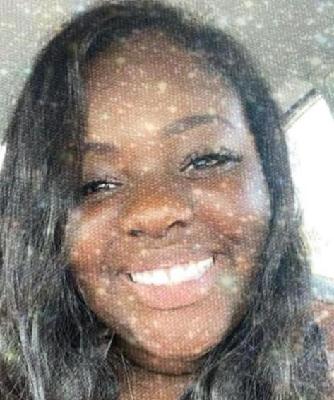
The day after Christmas in 2003, the body of a woman was discovered in an abandoned building in Chicago, Illinois. She was identified as Ethel Amerson, a 36-year-old Black female whose life had been violently cut short. An autopsy would later confirm that she had been strangled to death, another victim of a terrifying pattern of violence that was plaguing the city.
Her death was the last of eight such killings that year, leaving a community in fear and a family to grieve during what should have been a time of peace.
Ethel’s murder was not an isolated incident. Her case is one of at least 51 unsolved homicides of women in Chicago between 2001 and 2018 that are believed to be the work of one or more serial killers, often referred to as the "Chicago Strangler." The victims, predominantly Black women, were often left in desolate places: alleyways, vacant lots, garbage cans, and abandoned buildings like the one where Ethel was found. The method was chillingly consistent—strangulation or asphyxiation.
The sheer number of similar cases eventually drew the attention of the Murder Accountability Project, a nonprofit organization that analyzes homicide data. Using an algorithm to identify clusters of unsolved murders with shared characteristics, the organization flagged a significant and disturbing pattern on Chicago's South and West Sides. They identified a potential cluster of 51 unsolved cases, with some estimates suggesting the total number of similar murders could be as high as 75. These findings brought national attention to the series of killings and put pressure on law enforcement to investigate possible connections.
Despite the compelling patterns, the official response has been complex. For years, the Chicago Police Department stated there was no definitive evidence to link all the slayings to a single serial killer. However, in 2019, facing pressure from activists and community leaders who felt the cases of these women were being neglected, the department agreed to review the 51 cases identified by the Murder Accountability Project. These advocates have worked tirelessly to ensure the victims are not forgotten, holding vigils and demanding justice for the women whose lives were so brutally taken.
The investigation into this string of murders has been fraught with challenges. Many of the victims lived on the margins of society, and their cases often received little media attention, making it difficult to generate public tips. While a few of the 75 total cases identified by news organizations have been solved, leading to the arrest of different individuals, the vast majority, including Ethel's, remain cold. The lack of a resolution means that for dozens of families, there are no answers, only the enduring pain of loss and the fear that a killer may still be free.
Today, Ethel Amerson is remembered as one of the "Unforgotten 51," a name given to the women in the victim cluster. Her case, like the others, remains open and unsolved. There has been no justice for Ethel, and her killer has never been identified. Her story is a somber reminder of a long and terrifying chapter in Chicago's history and of the many women whose lives were stolen, leaving behind questions that continue to haunt the city.