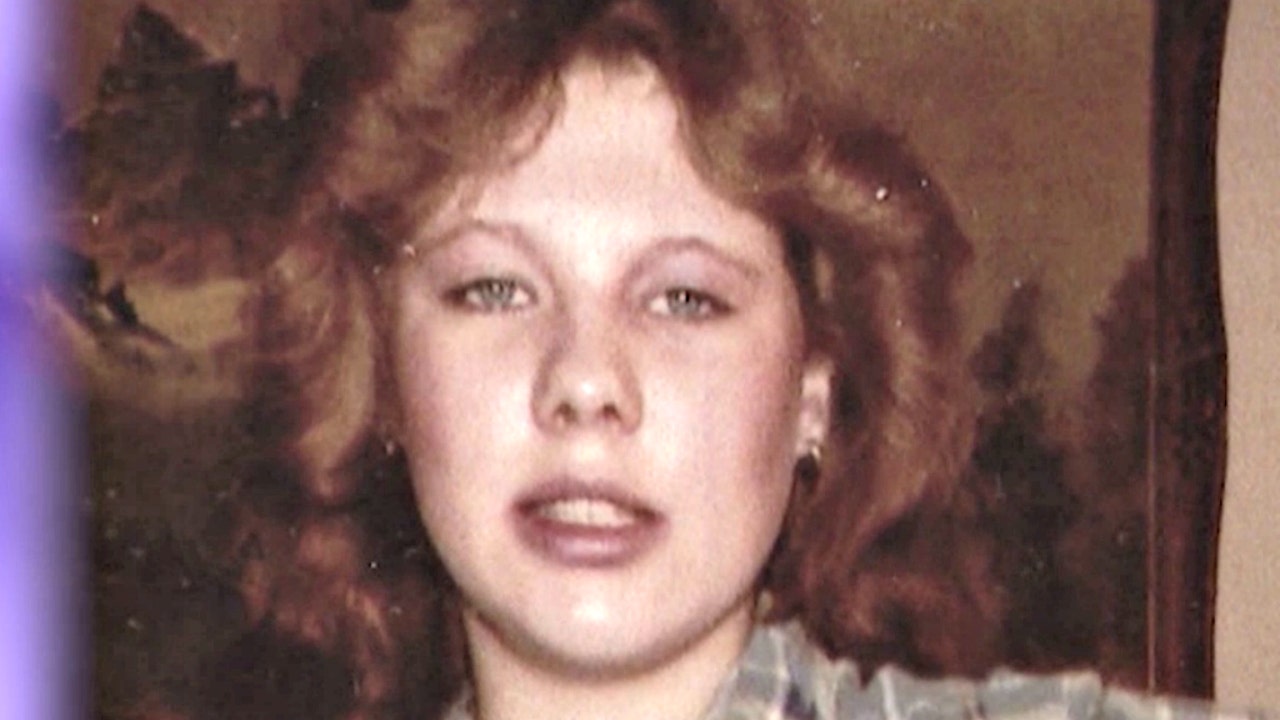
On November 5, 2001, a 41-year-old Hispanic woman named Elaine Boneta was found dead in Chicago, Illinois. Her body was discovered face down on a sidewalk, just blocks from her apartment at 2645 W. North Avenue. An investigation determined that she had been strangled. The location of her home was notable as it overlooked a neighborhood bar next door.
Her death, however, was not an isolated incident but an early entry in a terrifying pattern of violence that would haunt the city for years.
Elaine’s murder is one of at least 51 unsolved cases that have been linked to a potential serial killer, or killers, sometimes referred to as the "Chicago Strangler." Between 2001 and 2018, a string of women were killed in the city, with a chillingly consistent method. The primary causes of death were strangulation and asphyxiation. The victims, whose ages ranged from 18 to 58, were often left in public or desolate places such as alleys, vacant lots, abandoned buildings, and garbage cans.
This cluster of unsolved homicides was identified and brought to public attention by the Murder Accountability Project (MAP), a nonprofit investigative group. Using an algorithm to analyze homicide data, MAP identified a significant pattern among the deaths of these women. The similarities in victim profile, cause of death, and the geographic clustering of the crimes on Chicago's South and West Sides suggested a possible connection. Many of the victims were Black women, and some had histories of housing insecurity, drug use, or sex work, vulnerabilities that may have made them targets.
Despite the compelling patterns identified by MAP and pressure from activists and victims' families, the Chicago Police Department has not officially confirmed that a single serial killer is responsible for the 51 deaths. While they have agreed to review the cases, authorities have stated that they have not found definitive evidence linking them all to one individual. The investigation has been hampered by a lack of DNA evidence in many of the cases. Of the 51 murders, only a fraction yielded DNA samples, and those have not been matched to a single suspect.
The term "Chicago Strangler" remains a theory, a name given to the fear and suspicion that one or more predators operated with impunity for nearly two decades. For the families of the victims, the lack of answers is a source of ongoing pain. Community activists and journalists have worked to keep the stories of these women alive, pushing back against the narrative that their lives were any less valuable. Projects like "Unforgotten51," undertaken by journalism students at Roosevelt University, have sought to humanize the victims beyond their case numbers and the circumstances of their deaths.
More than two decades have passed since Elaine Boneta was killed, and her case, like dozens of others, remains cold. There have been no arrests and no justice for her death. She is remembered as one of the 51 women whose lives were cut short by brutal violence, her story absorbed into a larger, tragic mystery that still looms over the city of Chicago. The investigation into these connected cases is ongoing, a long and difficult search for answers that the families and the community continue to demand.