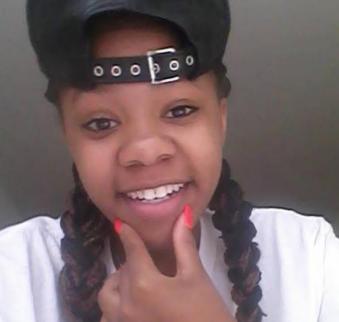
In the summer of 2009, a chilling discovery in a Chicago alley added another name to a growing list of tragedies that haunted the city. On July 6, the body of 29-year-old LaToya Banks, a Black woman, was found abandoned. The cause of her death was determined to be strangulation or asphyxiation, a brutal method that took her life a day earlier, on July 5.
Her case remains unsolved, a painful open wound for those who knew her and a disturbing piece of a much larger, terrifying puzzle.
LaToya’s death was not an isolated incident. Instead, it is believed to be the work of a possible serial killer, or killers, often referred to as the "Chicago Strangler." Her murder is one of at least 51 unsolved cases identified by the Murder Accountability Project, a nonprofit organization that analyzes homicide data. This cluster of killings, which took place between 2001 and 2018, involves women who were strangled or smothered and left in desolate locations like alleys, vacant lots, and garbage cans. In total, investigators have noted similarities in as many as 75 murders of women in the city during that time.
The victims of this horrifying pattern were predominantly African-American women. Their bodies were often discovered on the South and West Sides of Chicago, discarded in a manner that suggested a chilling disregard for human life. The consistent method of killing and the demographic of the victims created a clear and alarming pattern, sparking fear and outrage in the community and raising questions about the vulnerability of these women and the adequacy of the police response.
Despite the evident connections, the official investigation into these deaths has been complex and fraught with challenges. The Chicago Police Department has historically been hesitant to confirm that a single serial killer is responsible for all 51 deaths. They have pointed to the fact that some of the 75 total similar cases have been solved, with different men charged, suggesting multiple perpetrators. However, the sheer number of unsolved cases with such a specific and consistent method of murder has led many, including victim advocates and investigative groups, to believe that one or more serial predators have been operating with impunity in the city for years.
For years, the cases grew cold, leaving dozens of families without answers or justice. The lack of progress in so many similar homicides has been a source of immense pain and frustration. Community activists and organizations have worked to keep the victims' memories alive, demanding a more concerted effort to solve these crimes and bring the person or people responsible to justice. They emphasize that these women were not just statistics but mothers, daughters, sisters, and friends whose lives were violently cut short.
The investigation into the Chicago Strangler cases is ongoing, with detectives reportedly reviewing the cluster of unsolved homicides. Advances in DNA technology and forensic science offer a glimmer of hope that new leads may emerge from old evidence. For now, LaToya Banks’s case, like so many others, remains a somber reminder of a long and terrible chapter in Chicago's history. Her name is etched on a list of women whose lives were stolen, and whose killer or killers may still be at large. The search for answers continues, driven by the hope that one day, justice will be served for LaToya and all the forgotten victims.