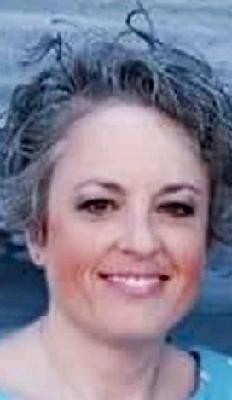
On a summer day in Chicago, Saturday, June 13, 2009, a 54-year-old woman named Charlene Miller was killed. Her death was not an isolated tragedy but part of a terrifying and long-running pattern of violence that has haunted the city for years. Charlene, a female victim whose race has been noted in some records as Black, became one of more than 50 women whose unsolved murders are believed to be the work of one or more serial killers often referred to as the Chicago Strangler.
Details
about Charlene’s life—who she was, her passions, her family, and her daily routines—remain largely absent from the public record. This lack of available information is a common and heartbreaking theme among the victims in this series of killings. Their stories are often reduced to the brutal facts of their deaths, leaving behind a painful silence where a life story should be. What is known is that on that June day, her life was violently taken, and her case, like so many others, has remained without a resolution, deepening the anguish for anyone who knew and loved her.
Charlene Miller’s murder is officially included in a grim catalog of at least 51 unsolved homicides of women in Chicago that occurred between 2001 and 2018. The nonprofit Murder Accountability Project (MAP), which uses an algorithm to detect patterns in violent crimes, identified this cluster of killings. The method in nearly all these cases was chillingly similar: strangulation or asphyxiation. The victims were predominantly Black women, and their bodies were often discovered in desolate, out-of-the-way places like alleys, abandoned buildings, and garbage cans, primarily on the city's South and West Sides.
The investigation into this string of murders has been complex and frustrating for both law enforcement and the victims' families. For years, community activists and organizations like MAP have pushed for the Chicago Police Department to acknowledge the connections between the cases and investigate them as the work of a potential serial killer. While police have reviewed the 51 cases, they have historically been hesitant to officially link them to a single offender, suggesting that the evidence could point to multiple perpetrators.
The women caught in this web of violence were mothers, daughters, and sisters. Their backgrounds were varied, but many were believed to have been living vulnerable lives, which may have made them easier targets. Activists and family members have often expressed the feeling that these cases have not received the urgency and attention they deserve, arguing that the victims' circumstances or race may have led to a less vigorous public and police response. The near-total silence surrounding Charlene Miller’s personal story underscores this sense of being forgotten.
To date, Charlene Miller’s murder remains unsolved. There has been no justice for her and no answers for those she left behind. Her name is etched on a list of victims whose fates are bound together by the tragic similarity of their deaths. While a conviction was secured in one of the 51 cases—the murder of Diamond Turner—the vast majority, including Charlene's, remain cold. The search for the person or people responsible continues, driven by the tireless efforts of families, advocates, and investigators who refuse to let these women be just another statistic in a city’s violent history.