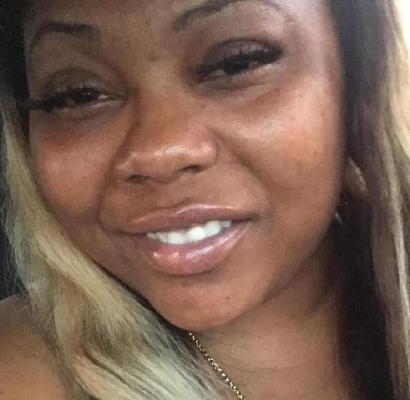
On February 17, 2016, Tiana M. Brown, a 20-year-old woman, was killed in Chicago, Illinois. Her death occurred during what was one of the deadliest years for the city in decades. In 2016, Chicago saw a significant spike in homicides, with a total of 764 murders recorded that year. This marked an increase of 58% compared to the previous year and placed Chicago's homicide rate much higher than many other major U.S. cities. This wave of violence affected communities across the city, leaving many, like Brown, as tragic victims of the ongoing crisis.
Tiana M. Brown was among numerous individuals memorialized in both community records and city databases dedicated to tracking gun violence and homicides in Chicago. Her case exemplifies the pervasive issue of gun-related deaths in the city, which accounted for the majority of homicides during this period. Brown's death highlighted the need for systemic changes, as neighborhoods affected by poverty and limited resources were most vulnerable to these tragic incidents.
The data from 2016 reveals a sharp and sustained increase in violence, with most homicides linked to firearms. The year was marked by an atmosphere of fear and frustration, as law enforcement struggled to curb the rising violence and address the underlying issues that were fueling crime. Victims like Tiana M. Brown symbolize the human toll of Chicago's broader struggle with violence, underscoring the importance of community resilience and targeted intervention to address the deep-rooted causes of such violence.