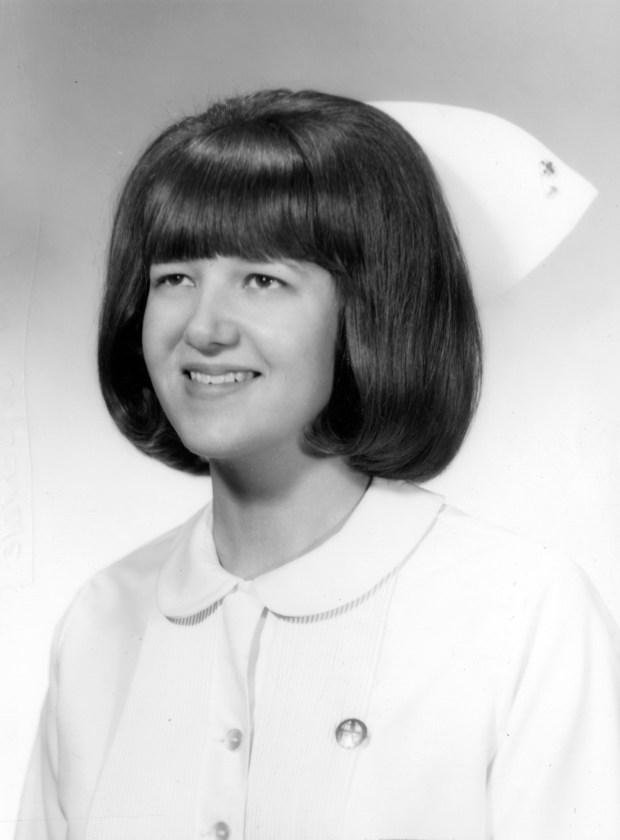
Hazel Lewis was a woman known for her kindness, a 52-year-old mother, grandmother, and fiancée who had a reputation for generosity, often taking the time to provide food for the unhoused in her Chicago community. Her warm presence was extinguished in the cold of mid-November 2007, leaving a void in the lives of those who knew and loved her. Her death was not an isolated tragedy but one of a deeply disturbing pattern of violence that has haunted the city for years.
In the early hours of
Wednesday, November 14, 2007, the Chicago Fire Department responded to a report of a fire in the city's Kenwood neighborhood on the South Side. Behind an elementary school in the 800 block of East 50th Street, they made a horrific discovery. Inside a burning trash can were the remains of a human body. The victim was soon identified as Hazel Lewis. An autopsy would later confirm that she had been strangled to death before being set on fire.
The shocking manner of Hazel’s death was terrifyingly similar to another case just two days prior. On November 12, the body of 21-year-old Theresa Bunn, who was eight months pregnant, had been found strangled, nude, and badly burned in a dumpster in Washington Park, less than two miles away. The proximity in time and the brutal, specific details of the two murders immediately raised fears that a serial killer was at work. Chicago police acknowledged the similarities in the way the bodies were disposed of and began investigating a possible link between the homicides.
Hazel’s murder is believed to be one of at least 51 unsolved cases of women who were strangled or asphyxiated in Chicago between 2001 and 2018. This cluster of killings, often attributed to a potential serial killer dubbed the "Chicago Strangler," has disproportionately affected Black women. The victims were often left in desolate locations: alleys, abandoned buildings, parks, or, like Hazel and Theresa, discarded in garbage bins.
The Murder Accountability Project, a nonprofit organization that analyzes homicide data, identified this pattern and has long suggested that one or more serial killers may be responsible. The methods were consistently brutal, with strangulation or asphyxiation as the cause of death. Despite the alarming trend, the Chicago Police Department has historically been hesitant to officially link the cases or confirm the existence of a single serial predator, pointing to a lack of cross-matching DNA evidence among the crime scenes where it was recovered.
For years, Hazel's case, like dozens of others, has remained cold. The lack of resolution has left a trail of unanswered questions and enduring pain for the families of the victims. These women were mothers, daughters, and sisters whose lives were violently cut short. Activists and family members have continued to fight for justice, working to ensure that these women are not forgotten and that their cases receive the attention and resources needed to find their killer or killers.
Though her family could not be reached for public comment during a project to humanize the victims, those who knew Hazel remember her as a loved and missed member of her family and community. Her violent death remains a stark and unresolved injustice, a symbol of a larger crisis of violence that has claimed too many lives. The search for answers for Hazel Lewis and the many other women like her continues, a painful and persistent echo in the city of Chicago.