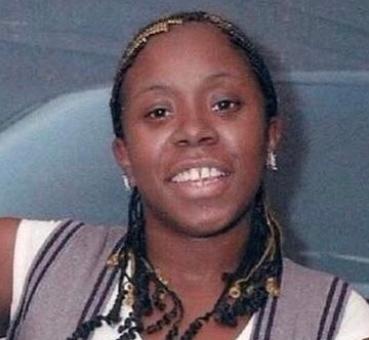
In the summer of 2007, a young woman’s life was violently cut short in Chicago, Illinois, her death adding to a chilling and long-unacknowledged pattern of killings in the city. Antoinette Simmons, a 21-year-old female, was killed on July 14, 2007. Her case remains unsolved, one of many that have left a trail of grief and unanswered questions for numerous families across the city.
The specific details of Antoinette’s life and the circumstances of her final day are not publicly known, a painful silence that compounds the tragedy of her loss.
Antoinette’s death was caused by strangulation or asphyxiation, a method that tragically linked her to dozens of other women. Her case is one of 51 unsolved homicides of women in Chicago between 2001 and 2018 that were identified by the Murder Accountability Project (MAP), a nonprofit investigative group. Using a computer algorithm, MAP identified a potential cluster of serial killings that had gone largely unnoticed by the public and unconfirmed by law enforcement. The victims, many of whom were Black women like Antoinette, were often left in abandoned buildings, alleys, and garbage containers on the city's South and West Sides.
This series of murders has been attributed to a possible serial killer, or multiple killers, sometimes referred to as the "Chicago Strangler." The method was brutally consistent: nearly all the women were strangled or smothered. The similarities in victim profiles, causes of death, and geographic location pointed to a pattern that advocates and researchers found deeply alarming. Despite these connections, the Chicago Police Department has not officially confirmed that a single serial killer is responsible for the 51 deaths, stating they have found no definitive evidence linking all the cases.
The investigation into this string of homicides has been complex and frustrating. For years, the cases were treated as individual incidents. It wasn't until the Murder Accountability Project's analysis brought the cluster to light that public pressure mounted for a more comprehensive review. In response, the Chicago Police Department announced it would re-examine the 51 cases. However, the lack of DNA evidence connecting the scenes has been a significant hurdle. Out of the many cases, only a small number yielded DNA samples, and none of those samples have been matched to each other or to a profile in law enforcement databases.
This lack of forensic connection has made it difficult for investigators to definitively link the murders to one perpetrator. While some of the 75 total similar murders during that period have been solved, leading to the convictions of several different men, the majority, including Antoinette's, remain cold. For the families of these women, the lack of resolution is an ongoing source of pain. The limited public information about many of the victims, including Antoinette, has made it difficult to keep their stories alive.
A website called "Never Forget Chicago," created to memorialize victims of violence in the city, includes a page for Antoinette Simmons. It serves as a somber testament to a life cut short, yet it also highlights the void of information surrounding her case. The memorial lacks a photograph, and the section for comments from loved ones remains empty, a silent space that underscores how some victims can disappear from the public consciousness.
The case of Antoinette Simmons is more than just an unsolved file; it is a story of a young life lost amidst a wave of violence that targeted some of Chicago's most vulnerable residents. Her name is on a list with 50 others, each one representing a family left to wonder and a community grappling with the fear that a killer or killers may have operated with impunity for years. Without new leads or a break in the case, Antoinette's death remains a cold, silent injustice, a stark reminder of the many women whose stories are yet to be fully told and whose killers have never been held accountable.