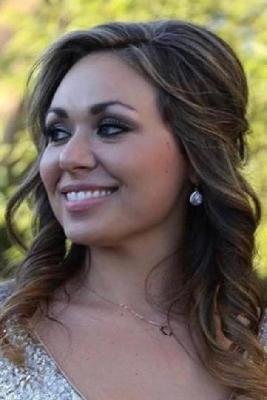
On Wednesday, February 22, 2006, the life of Maria Badillo came to an abrupt and tragic end in the Los Angeles neighborhood of Boyle Heights. The official records maintained by the Los Angeles County Department of Medical Examiner-Coroner confirmed her death on that winter day, listing the Hispanic female victim as having died under circumstances that warranted classification as a homicide. Despite this formal determination by county authorities, few immediate public details were made available regarding the precise time, physical location, or immediate sequence of events that brought about her death.
The setting of her death, Boyle Heights, is a historic and densely populated enclave situated east of downtown Los Angeles across the Los Angeles River. Known for its rich cultural history, vibrant streetscapes, and generations of working-class families, the area has also faced enduring challenges with urban crime and violence. Throughout the mid-2000s, investigators from the Los Angeles Police Department and local county law enforcement agencies were tasked with handling numerous homicide investigations across the Eastside, navigating neighborhoods where vital leads were often difficult to secure due to fear or silence among community members.
When Maria Badillo died, her case became one of hundreds of homicides recorded throughout Los Angeles County during 2006. Authorities examined the circumstances surrounding her passing, ultimately classifying the manner of death as a homicide. However, the exact cause of death was not publicly released by officials, leaving significant questions surrounding the physical trauma or fatal encounter that took her life. No public accounts detailed whether the incident occurred in a private residence, an alleyway, or on a public street, obscuring the physical context of the fatal incident.
In the days and weeks that followed, no suspects were identified or arrested in connection with her killing. Detectives working to uncover what happened to Maria Badillo faced the quiet absence of eyewitness testimony and a lack of publicized leads. Unlike high-profile investigations that generate public press conferences, community vigils, or substantial reward offerings, her death received virtually no contemporary media coverage beyond the routine administrative entries noted in county mortality logs.
Years have passed since that February day in 2006, and the investigation into the death of Maria Badillo has grown quiet. With no named persons of interest, no arrests, and no criminal charges filed by the Los Angeles County District Attorney's Office, the case remains an open, unsolved homicide. Investigators continue to rely on the hope that anyone possessing knowledge about the events leading up to her death will eventually step forward, providing long-overdue answers and accountability for Maria Badillo.