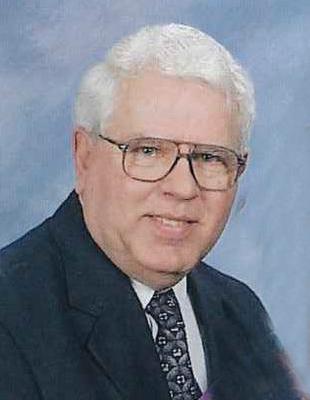
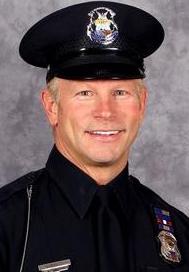
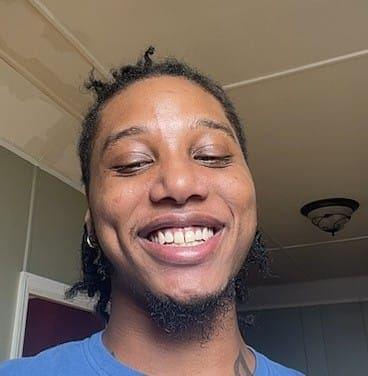
Floyd Glen Foster, a 51-year-old man, died on November 21, 1982, after being shot during a deer-hunting trip in a swampy area near Ravenna, Michigan. Foster had gone hunting with his 22-year-old son, Jerry Lee Foster, and Ralph Raymond Andrews, a man whose violent history would years later cause investigators and Foster’s family to take another look at what had originally been treated as a tragic hunting accident. Foster survived long enough to be transported from the remote hunting area to a hospital in Muskegon, but he died from the gunshot wound.
The account accepted by authorities in 1982 was that Andrews, Foster and Jerry were making their way through the swamp when Andrews fell into a creek. Foster reportedly attempted to help Andrews get out of the water and reached for the barrel of Andrews’ rifle. During that effort, the weapon discharged, striking Foster in the chest. After the shooting, Andrews left the immediate area to summon assistance while Jerry remained with his father and attempted to provide first aid. Foster was eventually removed from the area and taken to Muskegon for emergency medical treatment, where he succumbed to his injury.
At the time, investigators treated the shooting as accidental rather than intentional. Contemporary reporting also noted safety issues surrounding the hunt, including that the men were not wearing the hunter-orange clothing required during the season. No murder, manslaughter or other homicide charge was filed against Andrews in connection with Foster’s death. As a result, Foster’s death remained officially classified as an accidental shooting, and Andrews was not prosecuted for it.
The circumstances took on a much darker meaning years later. Jerry Foster said he had never been convinced that his father’s death was an accident. His recollection of the shooting eventually became significant after Andrews was arrested in Chicago in August 1991 for the brutal murder of Virginia Griffin. As Illinois authorities began examining Andrews’ background, police in Illinois and Michigan revisited a number of older killings, disappearances and suspicious deaths with which Andrews had been associated. Foster’s 1982 shooting was among the incidents that drew renewed scrutiny.
Jerry later testified about what he remembered seeing immediately before his father was shot. According to his later account, after Andrews fell, Andrews pointed the firearm in Floyd Foster’s direction more than once before it discharged. Jerry’s description differed in an important way from the image of a gun simply going off while Foster was grabbing the barrel to help Andrews out of the creek. Jerry openly expressed his belief that Andrews had deliberately killed his father. The passage of time and the original accidental-death determination, however, meant that his suspicions did not result in a criminal case against Andrews for Foster’s death.
Another person who raised concerns was Andrews’ former girlfriend, Mary Ebeling. During later court proceedings involving Andrews, she testified about his behavior after Foster was killed. She recalled that Andrews returned after the shooting and appeared unusually unconcerned about the fact that a man had just died. Prosecutors presented this testimony along with Jerry Foster’s account while documenting Andrews’ history of violence during sentencing proceedings for an unrelated murder. The testimony did not establish beyond a reasonable doubt that Foster had been murdered, but it reinforced the family’s longstanding doubts about the original accidental-shooting explanation.
By then, Andrews was facing consequences for crimes unrelated to Foster. He had been charged in the 1991 killing of Virginia Griffin in Chicago and was convicted in July 1993. During the subsequent sentencing proceedings, prosecutors introduced testimony concerning other violent incidents and suspicious deaths in Andrews’ past, including Foster’s shooting. In August 1994, Andrews was sentenced to life imprisonment for Griffin’s murder. He was later charged with the 1977 murder of 16-year-old Susan Clarke and ultimately pleaded guilty to that killing in 2003, receiving another life sentence.
Those later murder convictions made the circumstances surrounding Foster’s death more troubling, but they did not legally change its status. Andrews was never arrested, indicted, tried or convicted for killing Floyd Foster. Foster therefore occupies an unusual place in Andrews’ history: his death was officially an accidental hunting shooting, yet his own son believed that he had witnessed circumstances indicating it was intentional, and investigators later considered the incident while examining Andrews as a possible serial offender. Andrews died in prison in 2006 while serving life sentences for other murders, leaving the questions surrounding what actually happened in the Ravenna swamp on November 21, 1982, unresolved in a court of law.